Logo

Find Your Solution

In 3 minutes, you’ll know where to start ➤

Subscribe to the Podcast!

parent-child communication - available on apple podcastsCastbox logo, featuring a sleek and modern design with the name 'Castbox' in bold lettering, representing the popular podcast platform known for streaming and discovering podcasts.Spotify logo featuring a green circle with three curved black lines representing sound waves, symbolizing the popular music and podcast streaming platform.Amazon Music logo featuring the word 'Amazon' with the signature smile arrow and 'Music' in bold text, representing the digital music streaming service by Amazon.

Science-Backed Parenting Help for Behavior, Anxiety, ADHD and More

dysregulated kids podcast
CBS
NBC
USA Today
Fox News
Mel Robbins Show
BBC
Forbes
The New York Times
PIX 11 News
The Washington Post
Parents
Voice of America

Get Weekly Expert Tips to Regulate
Your Child’s Brain—Naturally

Simple, science-backed tools delivered weekly to help you
go from chaos to calm—without meds.

JOIN THE DYSREGULATION INSIDER NEWSLETTER

Customize your listening experience. Check out these series!

Understanding picky eating as a biological issue, not just behavioral in children

337: Why Picky Eating Might Not Be Behavioral—It’s Biological

Mealtime meltdowns aren’t just “fussy” behavior. Learn how sensory issues and nervous system dysregulation affect picky eating—and how to bring peace to your table.
Read More
Five therapist-recommended sensory tools that help kids regulate emotions and behavior

338: 5 Therapist-Recommended Sensory Tools That Actually Help Kids Regulate

Sensory tools aren’t magic—they’re strategic. Explore five therapist-recommended tools that match your child’s needs and actually help with meltdowns, anxiety, and daily regulation.
Read More
Five signs indicating a child is emotionally dysregulated rather than defiant or oppositional

336: 5 Signs Your Child is Emotionally Dysregulated (Not Defiant!)

Think your child’s defiance is just misbehavior? Think again. Learn to spot emotional dysregulation and use proven tools to support calm, regulation, and lasting change.
Read More
Why traditional discipline worsens behavior in ADHD, anxious, or sensitive children and alternatives

334: Why Discipline Makes My Child Worse—And What Works for ADHD, Anxious, or Sensitive Kids

Traditional discipline doesn’t work for every child. Learn brain-based strategies to calm meltdowns, build connection, and teach real-life emotional skills that help kids thrive.
Read More
Exploring the link between gut health and emotional dysregulation in children

335: The Hidden Link Between Gut Issues and Emotional Dysregulation in Kids

Meltdowns after meals? It’s not just behavior—it’s biology. Discover how gut health affects emotional regulation and what you can do to support both today.
Read More
Impact of phone use on children’s brain development and mental health

333: What Phones Are Really Doing to Your Child’s Brain

Does your child struggle after screen time? Discover what’s really happening in their brain and how to set calm, effective limits that support emotional regulation.
Read More
Quick 10-second calming techniques for parents and children to reduce anxiety

332: How to Calm Your Child (and Yourself) in Just 10 Seconds

Feeling stuck in constant meltdowns and guilt? Learn the proven parenting technique that uses breath, pause, and presence to shift your energy—and your child’s behavior.
Read More
Insights on raising strong-willed children and managing challenging behaviors effectively

331: What No One Tells You About Raising a Strong-Willed Child

Parenting a strong-willed child is tough—but you’re not failing. Learn what’s really going on and how to support your child with calm, clarity, and confidence.
Read More
Secret signs indicating a child needs behavioral help beyond common assumptions

330: The Secret Signs Your Child Needs Help with Behavior (It’s Not What You Think!)

When kids shut down or seem unmotivated, there’s more beneath the surface. Learn how to spot understimulation and use simple strategies to support focus and cooperation.
Read More
Parent’s honest experience losing calm during child behavior challenges and recovery tips

329: “I Swore I’d Stay Calm… Then I Lost It”

You’re not a bad parent—you’re a dysregulated one. Discover why we yell, what drives our reactions, and how to regulate before responding with calm and clarity.
Read More
Three foods that worsen anxiety in children and healthier alternatives to support mental health

327: 3 Foods That Make Anxiety Worse – And What to Eat Instead

So many parents never realize that what their child eats can directly impact anxiety, focus, and emotional control. Dr. Roseann shares tips to reduce anxiety and learn how simple diet changes can calm your child’s nervous system, improve mood, and support emotional regulation in children.
Read More

Dysregulated Kids Podcast: Emotional Dysregulation, ADHD, Anxiety, and Nervous System Solutions for Kids


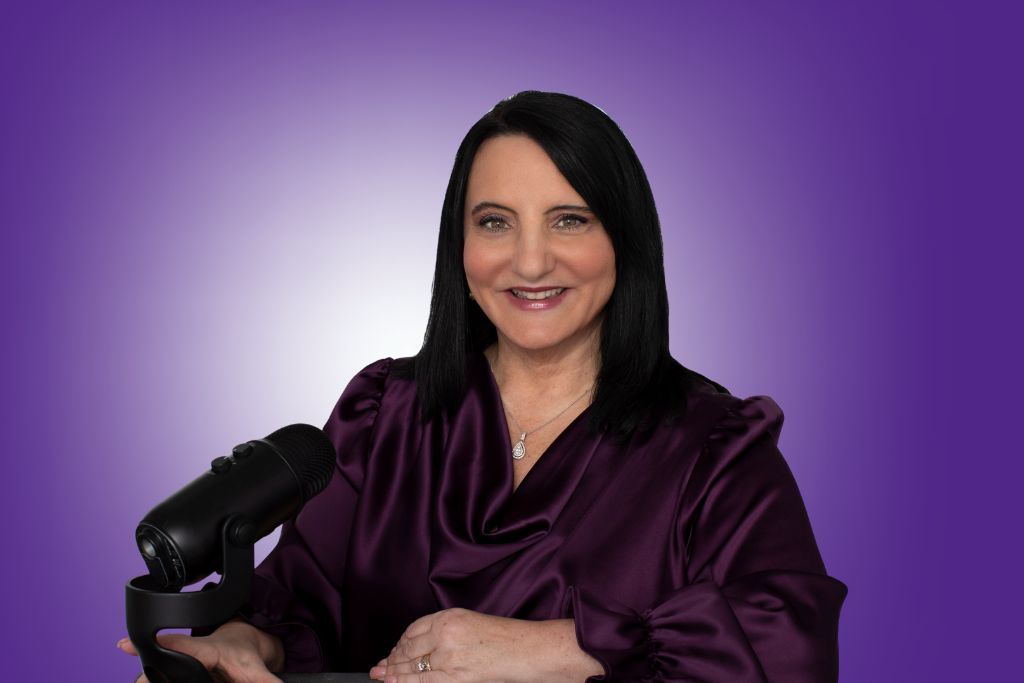
Dr. Roseann Capanna-Hodge, creator of Regulation First Parenting™, is the host of the top 1% global parenting podcast Dysregulated Kids and author of The Dysregulated Kid. She helps parents understand emotional dysregulation in children and the connection to ADHD, anxiety, and child behavior problems—all through a nervous system lens.

If you feel like nothing is working and your child has constant meltdowns, big emotional reactions, or seems like a dysregulated child who just can’t control their behavior, this podcast will help you understand why. Dr. Roseann breaks down how behavior is connected to the stress response in children, so you can stop reacting to symptoms and start supporting real regulation.

With over 30 years of clinical experience and insights from more than 10,000 brain maps, she teaches how to support nervous system regulation in children, use co-regulation techniques, and build self-regulation skills for children in real-life, everyday moments.

Whether you’re parenting a dysregulated child, navigating anxiety, or wondering how to calm a dysregulated child without yelling, each episode gives you clear, science-backed strategies that help your child feel better—so behavior, focus, and connection can finally improve.

Website-Photos-Update-2