Find Your Solution
In 3 minutes, you’ll know where to start ➤
%20.png)





Estimated reading time: 5 minutes
Parenting a child whose emotions shift from zero to one hundred can feel overwhelming, but understanding what the brain needs in those tense moments changes everything. These phrases aren't fluffy scripts. They're co-regulation tools that speak directly to a child's nervous system, reduce overwhelm, and open the door to emotional learning.
This episode offers practical guidance on why these phrases work, how to use them during real-life meltdowns, and how parents can stay grounded even when their child is losing control.
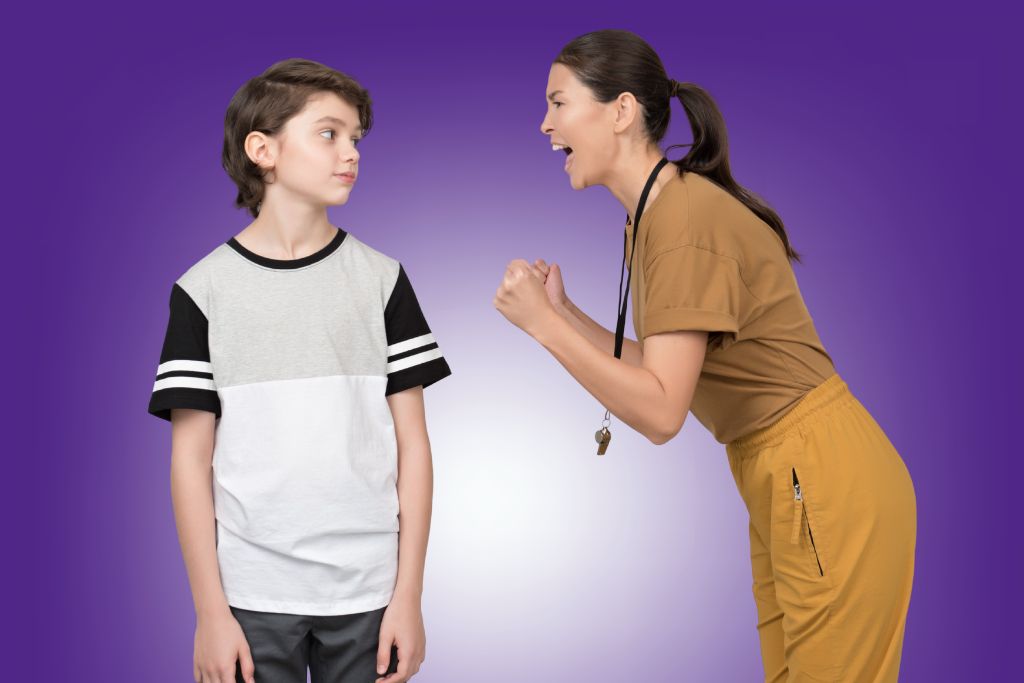
When a child is in fight, flight, or freeze, they literally can't hear you. Logical thinking and critical thinking skills shut down as survival mode takes over. That's why telling a child to "calm down," "stop crying," or "use your words" rarely works in the red zone, no matter your parenting style.
Calming phrases act as safety cues. They help create a shift because they:
These cues slow the moment and tell your child's brain, "You're not in danger. You're not alone."
And that's when real connection and real teaching can finally happen.
This phrase instantly grounds a child who feels scared, overwhelmed, or ashamed.
It tells their nervous system they aren't alone, which is essential for emotional regulation.
A parent shared that after years of nightly homework battles, whispering "I'm with you" softened her child's panic and changed the emotional tone of their entire household.
Kids borrow our rhythm. When you slow your voice, breathing, and movements, their brain naturally syncs to your calm.
Saying "Let's slow down" teaches emotional pacing and helps them step out of survival mode and back into connection.
For example, when your child is screaming because it's time to leave the playground, resisting the urge to lecture and instead calmly saying, "Let's slow down," can help reduce overwhelm and prevent the situation from escalating.
Dysregulated kids often think the moment is catastrophic. This phrase restores perspective and safety.
It teaches resilience, not avoidance, and shows your child that problems are temporary and manageable with support.
Validation lowers stress and reduces overwhelm.
Instead of shutting emotions down, this phrase teaches kids that feelings are safe and manageable, an essential skill for emotional intelligence and self-regulation.
🗣️ "These phrases don't reinforce negative behavior; they reinforce emotional safety, the foundation of all behavior change." — Dr. Roseann
When your child is dysregulated, it's easy to feel helpless. The Regulation Rescue Kit gives you the scripts and strategies you need to stay grounded and in control. Become a Dysregulation Insider VIP at www.drroseann.com/newsletter and get your free kit today.
Start in the yellow zone before your child hits full red. Lead with regulation, not correction.
Practical steps:
When you use these phrases consistently, your child begins to internalize them. Over time, they'll start using them with themselves, which is a huge win for self-regulation.
One of the biggest misconceptions in parenting is expecting kids to regulate themselves before they've learned how.
Co-regulation always comes before self-regulation.
Your calm is the catalyst.
Your child is borrowing your nervous system until they build the skills to manage their own.
That's why these phrases work so well. They aren't magic words. They're tools that communicate safety, connection, and confidence.
If you're tired of walking on eggshells or feeling like nothing works, get the FREE Regulation Rescue Kit and learn simple Regulation First Parenting™ tools that help calm the brain, reduce meltdowns, and support emotional regulation in real-life moments. Become a Dysregulation Insider VIP at: www.drroseann.com/newsletter
When your child is dysregulated, focus on calming first and correcting later.
Remember:
These small shifts create lasting change because they work with the nervous system instead of against it.
They cue safety and connection, which help downshift the nervous system faster than logic, consequences, or discipline. A regulated brain is more capable of learning, listening, and problem-solving.
Absolutely. Teens may resist comfort differently than younger children, but they still rely on safety cues and connection to regulate. The delivery may change, but the nervous system need remains the same.
No. Validation is not permissiveness. You can acknowledge feelings while still holding boundaries. Regulation comes first, then expectations and consequences can follow.
Your child may be too dysregulated in that moment. Stay calm, stay close, and continue offering safety without forcing engagement. Consistency matters more than immediate results.
Not sure where to start? Take the guesswork out of helping your child. Use our free Solution Matcher to get a personalized plan based on your child’s unique needs—whether it’s ADHD, anxiety, mood issues, or emotional dysregulation. Start here: www.drroseann.com/help
Dr. Roseann Capanna-Hodge is a licensed therapist, certified school psychologist, and leading expert in emotional dysregulation in children. With over 30 years of experience, she helps parents understand the root causes of meltdowns, anxiety, ADHD, and challenging behavior through the lens of nervous system regulation. Dr. Roseann teaches practical, science-backed strategies for co-regulation and how to calm a dysregulated child using her Regulation First Parenting™ approach. She is the host of the Dysregulated Kids Podcast and author of The Dysregulated Kid.
Dr. Roseann Capanna-Hodge
Emotional Dysregulation in Children & Nervous System Expert
Regulation First Parenting™ | CALMS Protocol™
Host of the Dysregulated Kids Podcast (Top 1% Globally)
Author of The Dysregulated Kid