Find Your Solution
In 3 minutes, you’ll know where to start ➤
%20.png)





Estimated Reading Time: 7 Minutes
One of the most misunderstood combinations in childhood mental health is the overlap between Oppositional Defiant Disorder (ODD) and ADHD. These conditions often occur together, and when they do, traditional parenting approaches frequently fall short.
The reason?
It's not bad parenting.
It's often a dysregulated nervous system.
In this episode, I explain how ODD and ADHD overlap, why emotional dysregulation is often at the center of these struggles, and what parents can do to help children build emotional regulation skills and reduce oppositional behaviors.
Many parents are surprised to learn how often ADHD and oppositional behavior occur together.
Research suggests that approximately 40–60% of children with ADHD also demonstrate significant oppositional behaviors.
ADHD often involves challenges with:
Oppositional Defiant Disorder involves persistent patterns of:
While occasional defiance is normal development, ODD behaviors tend to be more intense, frequent, and disruptive.
Many children with ADHD and ODD share one common challenge:
Emotional dysregulation.
The nervous system becomes overwhelmed, making it difficult to manage emotions, tolerate frustration, and respond flexibly.
Behavior is communication.
And oppositional behavior is often a sign of nervous system distress.
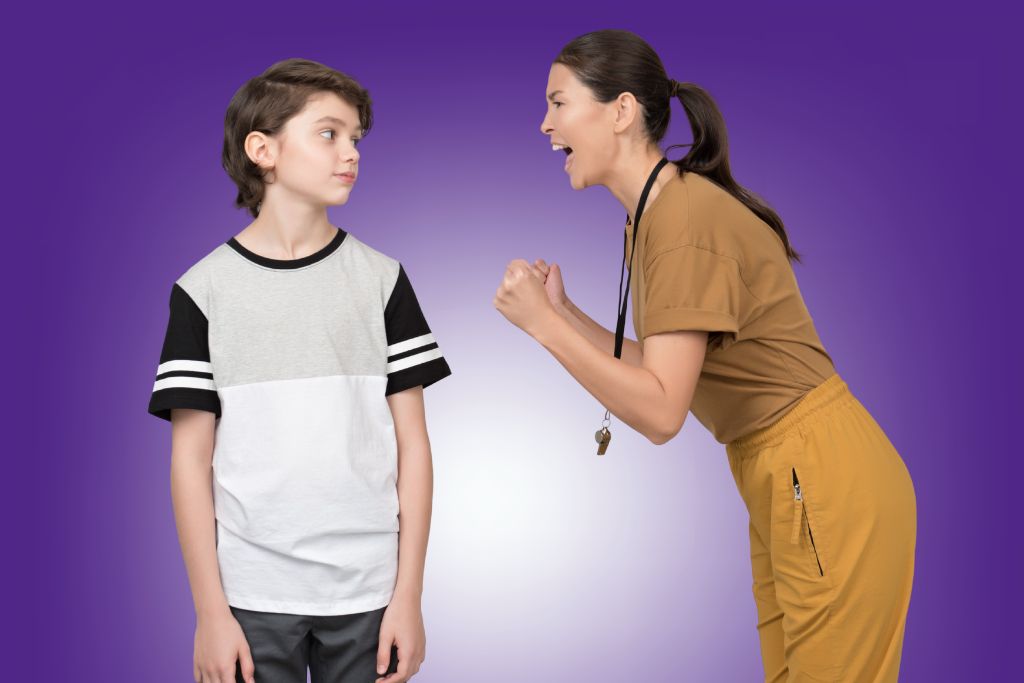
Parents often describe these children as:
A simple request like:
"Please start your homework."
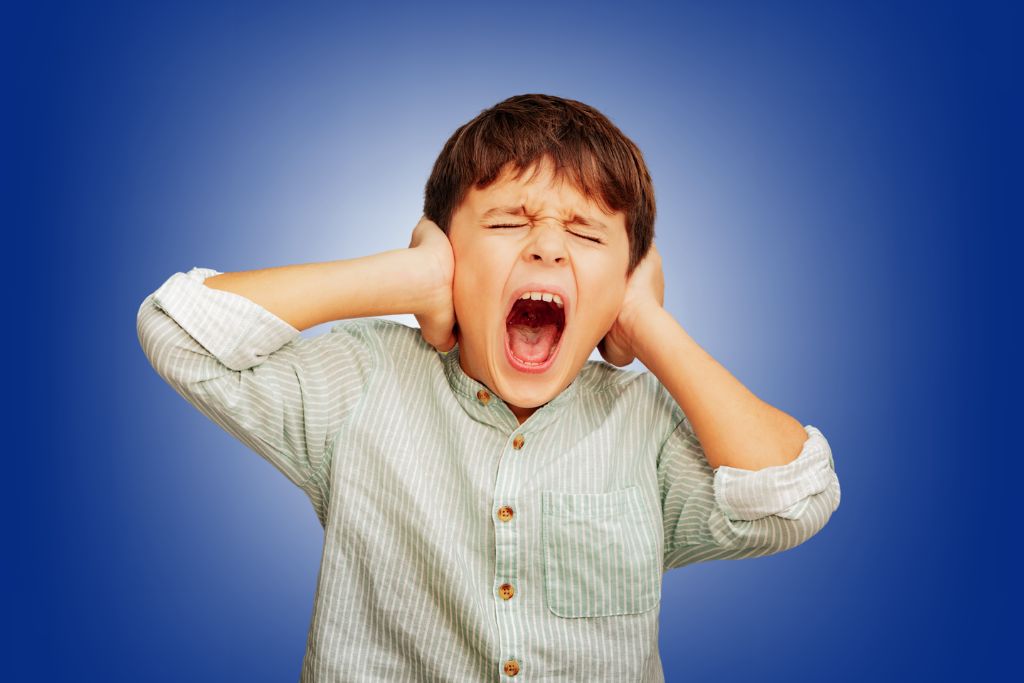
can quickly turn into:
These reactions aren't always intentional.
Many children genuinely struggle to access the skills needed to respond differently.
A child is asked to put away a device and begin homework.
Before the parent finishes speaking, the child says:
"No!"
The reaction appears automatic.
That's because emotional dysregulation often drives the response before thoughtful decision-making has a chance to occur.
Many children with ADHD and ODD struggle to recognize their own role in conflicts until much later.
Once calm returns, they often show far more insight.
This tells us the behavior is closely tied to nervous system state.
The prefrontal cortex acts as the brain's CEO.
It's responsible for:
Children with ADHD often have reduced activity in this area.
As a result, they struggle to:
Children with ODD frequently have highly reactive nervous systems.
Their brains perceive stress quickly and intensely.
As a result, they may shift rapidly into:
These responses make emotional regulation even harder.
The brain is capable of change.
With the right support, children can strengthen regulation skills over time.
One of the biggest mistakes parents make is assuming oppositional behavior is purely behavioral.
It's often neurological.
When children are overwhelmed:
You can't discipline a child into regulation.
You have to help regulate the nervous system first.
Punishments frequently increase:
This creates a cycle where everyone becomes more dysregulated.
Children aren't choosing dysregulation.
Their nervous systems are struggling.
Understanding that changes everything.
🗣️ "When a child has both ADHD and ODD, traditional parenting strategies often fall short because the root issue isn't behavioral—it's neurological." — Dr. Roseann
Need more support helping your child regulate emotions and reduce oppositional behavior?
The Regulation Rescue Kit provides practical Regulation First Parenting™ tools that help reduce meltdowns, improve emotional regulation, and create more peace at home. Become a Dysregulation Insider VIP and get your FREE kit today: www.drroseann.com/newsletter
The first step is regulation.
Without regulation, learning and behavior change become much harder.
Your calm nervous system becomes the model for your child.
Focus on:
Children with ADHD and ODD benefit from:
Structure creates safety.
Many oppositional interactions become battles over control.
Instead:
During emotional moments:
The goal is regulation first.
Teaching comes later.
Instead of arguing about homework, a parent offers:
"Would you like to start with math or reading?"
The child still has a choice, but the expectation remains.
This reduces resistance while preserving structure.
One of the most important truths parents need to hear is this:
Your child's behavior is not proof that you're failing.
Children learn regulation through repeated experiences of co-regulation.
That means:
You won't get it right every time.
That's okay.
What matters is consistency.
Every regulated interaction helps strengthen your child's nervous system.
Children with ADHD and ODD aren't trying to make life difficult.
They're struggling with emotional regulation, executive functioning, and nervous system overwhelm.
Your child isn't giving you a hard time.
They're having a hard time.
When we stop focusing only on behavior and start supporting the nervous system underneath it, everything changes.
Remember:
Yes. Research suggests that many children with ADHD also demonstrate significant oppositional behaviors, making the overlap quite common.
No. Emotional dysregulation, executive functioning challenges, anxiety, and nervous system overwhelm often contribute to oppositional behavior.
When children are dysregulated, the thinking brain becomes less accessible. Regulation must happen before learning and behavior change can occur.
Focus on co-regulation, structure, predictable routines, and limited choices. These strategies reduce power struggles and improve cooperation.
Some children improve significantly with appropriate intervention, emotional regulation support, parent coaching, and nervous system-focused approaches.
Not sure where to start?
The Solution Matcher helps identify the best next step based on your child's symptoms, behaviors, and emotional needs.
Start here:www.drroseann.com/help
Dr. Roseann Capanna-Hodge is a licensed therapist, certified school psychologist, and leading expert in emotional dysregulation in children. With over 30 years of experience, she helps parents understand the root causes of meltdowns, anxiety, ADHD, and challenging behavior through the lens of nervous system regulation. Dr. Roseann teaches practical, science-backed strategies for co-regulation and how to calm a dysregulated child using her Regulation First Parenting™ approach. She is the host of the Dysregulated Kids Podcast and author of The Dysregulated Kid.
Dr. Roseann Capanna-Hodge
Emotional Dysregulation in Children & Nervous System Expert
Regulation First Parenting™ | CALMS Protocol™
Host of the Dysregulated Kids Podcast (Top 1% Globally)
Author of The Dysregulated Kid