Logo

Find Your Solution

In 3 minutes, you’ll know where to start ➤


Dysregulated Kids Podcast


LISTEN NOW:
Calm the Nervous System.
Change Behavior.

If your child melts down, won’t listen, or goes from calm to overwhelmed in seconds… you’re not alone.

Every kid gets dysregulated sometimes—but when it keeps happening, it’s a sign the nervous system needs support.

Get simple, clear ways to help your child calm down and feel in control.
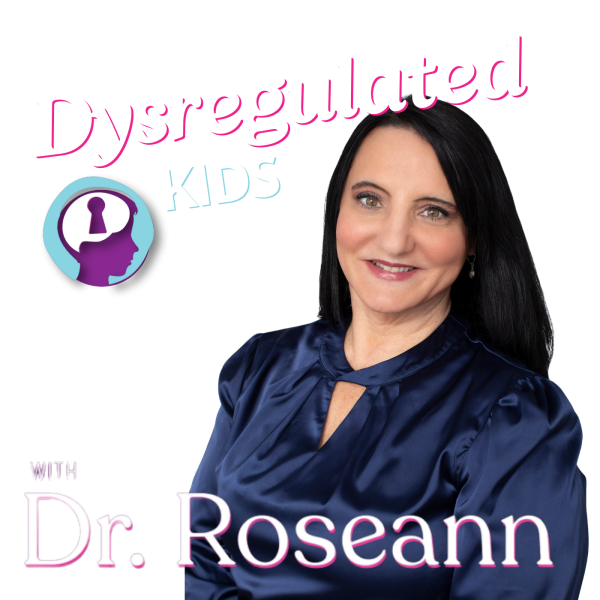
dysregulated kids podcast
parent-child communication - available on apple podcasts
Spotify logo featuring a green circle with three curved black lines representing sound waves, symbolizing the popular music and podcast streaming platform.
Amazon Music logo featuring the word 'Amazon' with the signature smile arrow and 'Music' in bold text, representing the digital music streaming service by Amazon.
Castbox logo, featuring a sleek and modern design with the name 'Castbox' in bold lettering, representing the popular podcast platform known for streaming and discovering podcasts.

START HERE:

What Does Your Child Needs the Most?

Meltdowns & Big Emotions

→ How to Stop Meltdowns Before They Start

Not Listening & Defiance

→ Why Your Child Isn’t Listening (And What to Do Instead)

ADHD & Focus Struggles

→ Why Dysregulated Kids Can’t Use Executive Function

Graphic titled 'Anxiety Coping Skills for Teens,' featuring a diverse group of teenagers practicing coping techniques like deep breathing, journaling, exercising, and talking to a trusted adult, with calming colors and supportive text labels.

Anxiety & Overwhelm

→ Calm Words That Actually Work

Daily Stress & Sudden Blow-Ups

→ The Stress Cup: Why Kids Explode Over Small Things



Check Out the Dysregulated Kids Podcast Series:

Why meltdowns often begin at night and how to support nervous system regulation

366: When the Sun Goes Down, the Meltdowns Begin—Here’s Why

Discover why evening meltdowns happen when the nervous system decompresses and learn simple Regulation First Parenting tools to help your child relax, regulate, and ease into bedtime.
Read More
Child struggling in school due to ADHD and anxiety explained with age-specific brain-body solutions

365: The Real Reason Your Child Is Struggling in School (and How to Fix It at Every Age)

Discover why even smart kids struggle with schoolwork and how regulation focused strategies improve focus, motivation, transitions, and academic success by supporting the nervous system first.
Read More
Child’s brain shutdown during unexpected changes linked to anxiety and neurodevelopmental challenges

364: Why Your Kid’s Brain Shuts Down When Plans Change

Discover why kids spiral when plans change and learn practical Regulation First Parenting tools to reduce meltdowns, strengthen flexibility, and create calm, confident emotional responses.
Read More
Everyday stress impacting child’s brain and nervous system regulation in mental health context

363: Is Everyday Stress Quietly Rewiring Your Child’s Brain?

Discover how chronic stress rewires the nervous system, triggering meltdowns and emotional dysregulation in children—and how Dr. Roseann Capanna-Hodge’s Regulation First Parenting™ offers simple daily strategies to build resilience and support emotional health.
Read More
Neurofeedback as a powerful therapy for dysregulation when traditional therapy falls short

362: Why Therapy Isn’t Working: The Hidden Power of Neurofeedback for Dysregulation

Learn why kids stay stuck despite therapy and how neurofeedback trains the brain to self regulate, reducing meltdowns, anxiety, and overwhelm for lasting change.
Read More
QEEG brain map revealing dysregulation and distraction missed by teachers and doctors

361: Inside the Dysregulated and Distracted Brain: What a QEEG Map Reveals That Teachers and Doctors Miss

Discover how QEEG brain maps uncover what is really driving dysregulation, big emotions, and mistaken ADHD diagnoses, helping families create effective support and calm.
Read More
Early nervous system signs warning of emotional blow-ups in children with anxiety or ADHD

359: Before the Emotional Blow-Up: Hidden Clues Your Kid's Nervous System Is in Trouble

Your child's overreactions aren’t attitude—they’re signs of emotional dysregulation in tweens. Learn the hidden clues of stress overload and simple ways to help them reset, guided by Dr. Roseann Capanna-Hodge, a mental health expert in emotional dysregulation in children.
Read More
Connection between minerals, mitochondria, and child meltdowns explained by expert Dr. Aaron Hartman

360: Minerals, Mitochondria, and Meltdowns: The Overlooked Link with Dr. Aaron Hartman

Learn how minerals like magnesium and zinc impact emotional regulation, meltdowns, and stress responses in kids, and practical steps to rebalance and restore calm.
Read More
Three-step natural approach to fix oppositional behavior in strong-willed children

358: The Surprising Fix for Oppositional Behavior (3 Steps Parents Can Use Today)

When every request sparks “no,” it’s not defiance—it’s survival mode. Decode oppositional behavior and use brain-calming steps from the Regulation First Parenting™ method, created by Dr. Roseann Capanna-Hodge, a leading expert in child dysregulation.
Read More
Managing parent and child meltdowns together using brain-body mental health strategies

357: Your Child's Meltdown Triggered Your Meltdown—Now What?

When meltdowns meet meltdowns, no one wins. Discover the brain science behind shared dysregulation and simple steps to stay calm, connected, and in control together.
Read More
Reasons behind children’s intense reactions to small triggers in anxiety and ADHD

356: Why Your Child Freaks Out Over the Smallest Things

When small things spark big emotions, your child’s stress cup is overflowing. Discover what fills it, why it matters, and how to help them regulate.
Read More
Beyond gentle parenting: what children with mental health needs truly require for support

355: Gentle Parenting Isn’t Enough—Here’s What Kids Really Need

Gentle parenting without regulation can backfire. Dr. Roseann Capanna-Hodge explains how emotional dysregulation in children needs more than empathy—and how her Regulation First Parenting™ “Regulate, Connect, Correct” approach can change family dynamics.
Read More

Dysregulated Kids Podcast

Emotional Dysregulation, Anxiety, and
Nervous System Solutions for Kids


If you feel like nothing is working and your child has constant meltdowns, big emotional reactions, or struggles to focus and follow through—you’re not imagining it.

And you’re not alone.

The Dysregulated Kids Podcast helps you understand what’s really driving your child’s behavior—through the lens of the nervous system.

Because behavior isn’t the problem. It’s the signal.

With over 30 years of clinical experience and insights from more than 10,000 brain maps, Dr. Roseann Capanna-Hodge teaches you how to:

● Support your child’s nervous system in real time
● Use co-regulation to reduce meltdowns and power struggles
● Build self-regulation skills that actually stick
● Improve focus, attention, and emotional control
● Every child gets dysregulated sometimes.

But when it’s frequent, intense, or hard to recover from, your child needs more than behavior strategies—they need nervous system support.

Each episode gives you clear, science-backed tools you can use immediately—so your child can be more regulated, and behavior, focus, and connection can finally improve.

What You’ll Find Inside the Podcast


If you’ve ever thought…“Why does my child go from calm to overwhelmed so fast?”
“Why won’t they listen—even when they know better?”
“Why do small things turn into big reactions?”

You’re in the right place.

Inside the Dysregulated Kids Podcast, we break down what’s really going on beneath the surface—and what actually helps.

You’ll learn how to support your child when they are:

● Melting down, shutting down, or having big emotional reactions
● Struggling to focus, stay organized, or follow through
● Feeling anxious, stuck in worries, or overwhelmed
● Reacting strongly to noise, transitions, or sensory input
● Pushing back, refusing, or getting easily frustrated
● Having a hard time at school—even when they’re smart
● Needing more connection, support, and co-regulation
● Stuck in patterns that feel exhausting for both of you

And most importantly…You’ll learn how to calm the nervous system first, so behavior, focus, and emotional control can finally improve.

Dysregulated Kids Podcast FAQ

How can I help my dysregulated child calm down?
Is this podcast right for my child’s behavior?
Where should I start if I’m new to dysregulation?
Is it normal for kids to be dysregulated sometimes?
How do I know if my child is dysregulated?
Is this podcast only for kids with ADHD or anxiety?
Will I get strategies I can use right away?
What topics do you cover?
How is this different from other parenting podcasts?

About Dr. Roseann

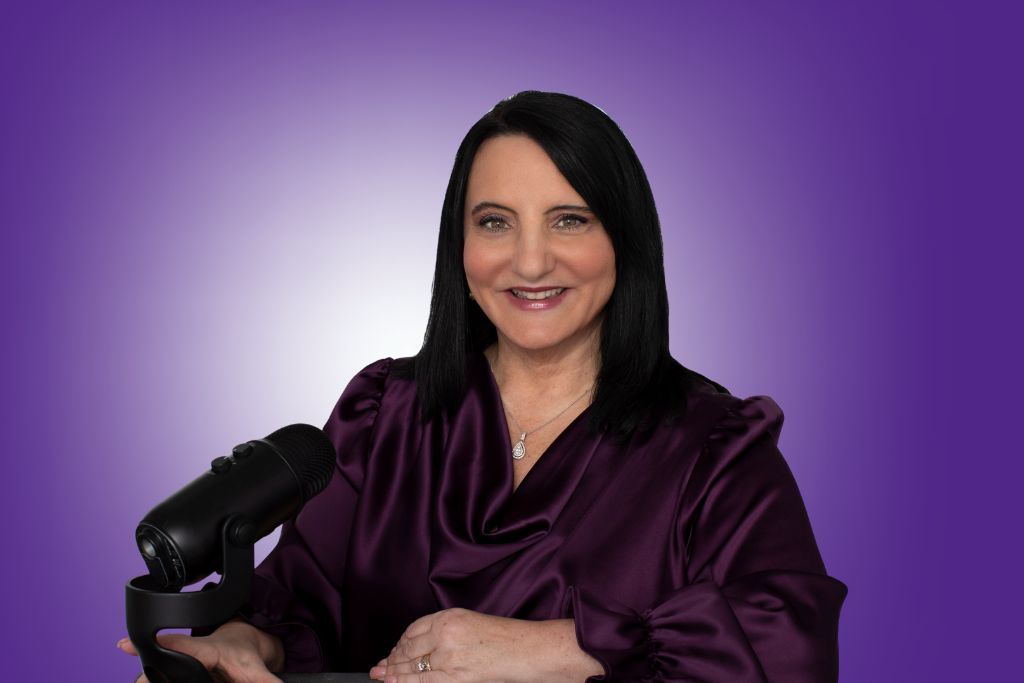
Dr. Roseann Capanna-Hodge is a licensed therapist, certified school psychologist, and parent of neurodivergent kids who has spent over 30 years helping families understand one powerful truth:

Behavior isn’t the problem—it’s a signal from the nervous system.When kids melt down, shut down, or struggle to focus, it’s not because they won’t do better.

It’s because, in that moment, they can’t.Through her work with thousands of families — and insights from more than 10,000 brain maps—Dr. Roseann teaches parents how to calm the brain first so real change can happen.

She is the creator of Regulation First Parenting®, a science-backed approach that helps you:
Stay calm and grounded—even in the hardest moments
Support your child’s nervous system in real time
Reduce meltdowns, anxiety, and power struggles
Build lasting self-regulation, focus, and resilience

Her approach is practical, compassionate, and designed for real life—because parenting a dysregulated kid isn’t about doing more…It’s about doing what actually works.Because kids don’t need to be fixed.

They need nervous systems that feel safe enough to regulate.

Not sure where to start?

Take the Solution Matcher Quiz and discover what your child’s nervous system actually needs. Finally understand what your child needs—and what to do next.

get your child's plan