Find Your Solution
In 3 minutes, you’ll know where to start ➤
%20.png)





Estimated Reading Time: 6 Minutes
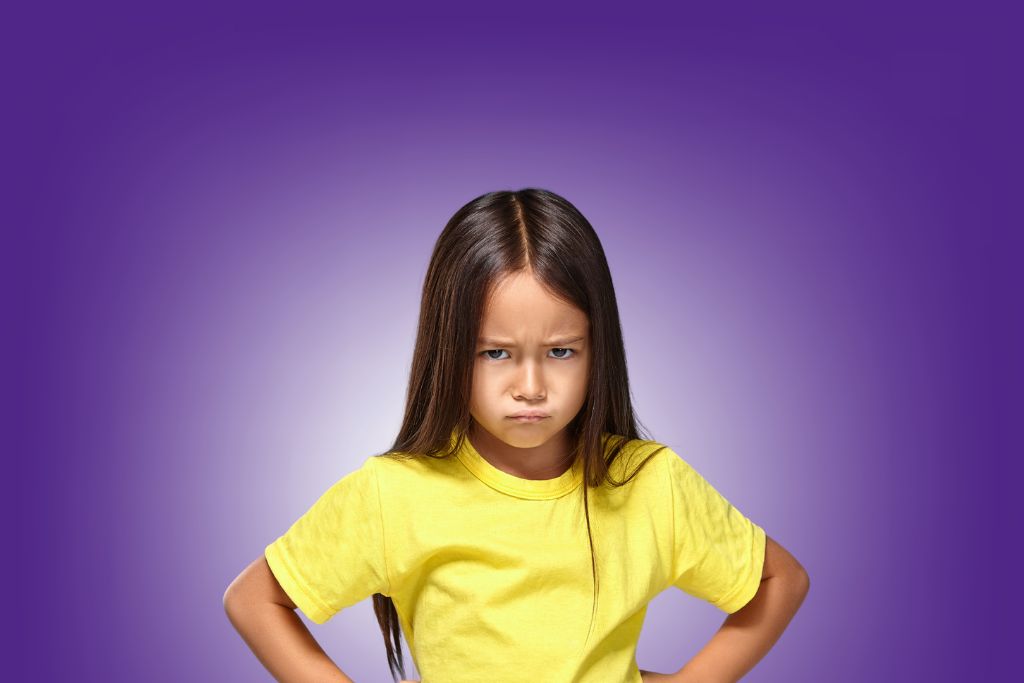
When kids say things like "I hate you," "I don't love you," or "I like Dad better," they're usually communicating something much bigger than the words themselves.
Behavior is communication.
And underneath those painful words is often a child whose nervous system is overwhelmed.
In this episode, I explain what children are really trying to communicate when they lash out, how to respond without damaging the relationship, and why co-regulation is one of the most powerful parenting tools you have.
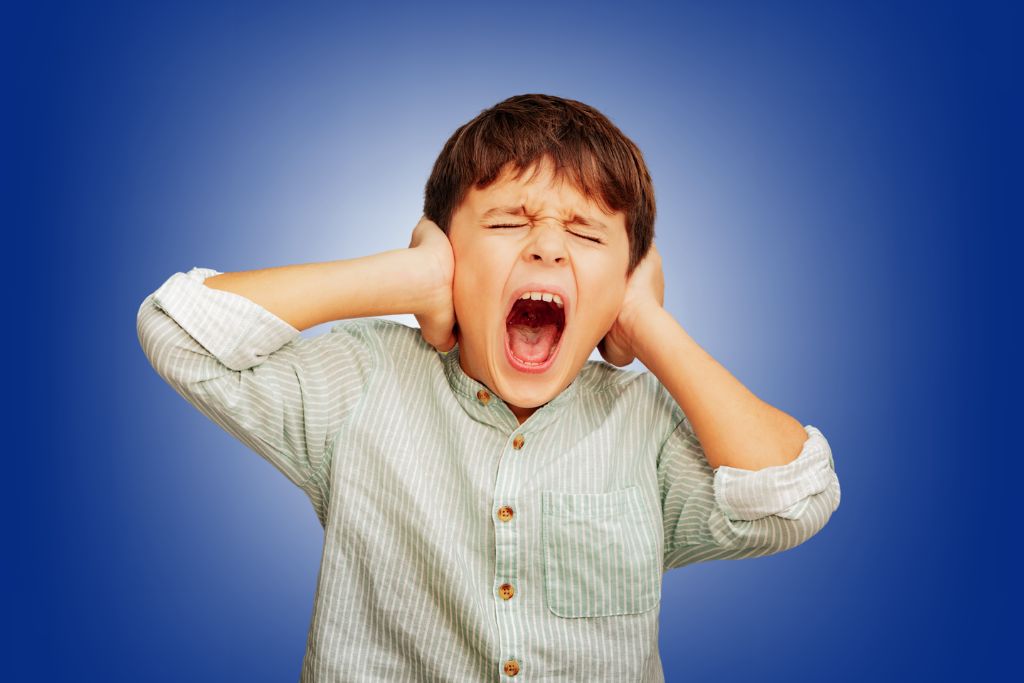
When children become emotionally overwhelmed, the thinking brain takes a back seat and the emotional brain takes over.
In those moments, children often don't have the skills to communicate what they're truly feeling.
Instead, they say things designed to express their distress.
Instead of:
"I hate you."
They may be communicating:
When the nervous system shifts into fight, flight, or freeze, logical thinking becomes less accessible.
That's why children often say things they don't actually mean.
What looks like defiance is often dysregulation.
It's not bad parenting.
It's a dysregulated brain.
A child is told it's time to stop playing a game and start homework.
Suddenly they yell:
"I hate you!"
The words feel personal.
But the real issue isn't hatred.
It's frustration, disappointment, and a nervous system struggling with a difficult transition.
Because you're human.
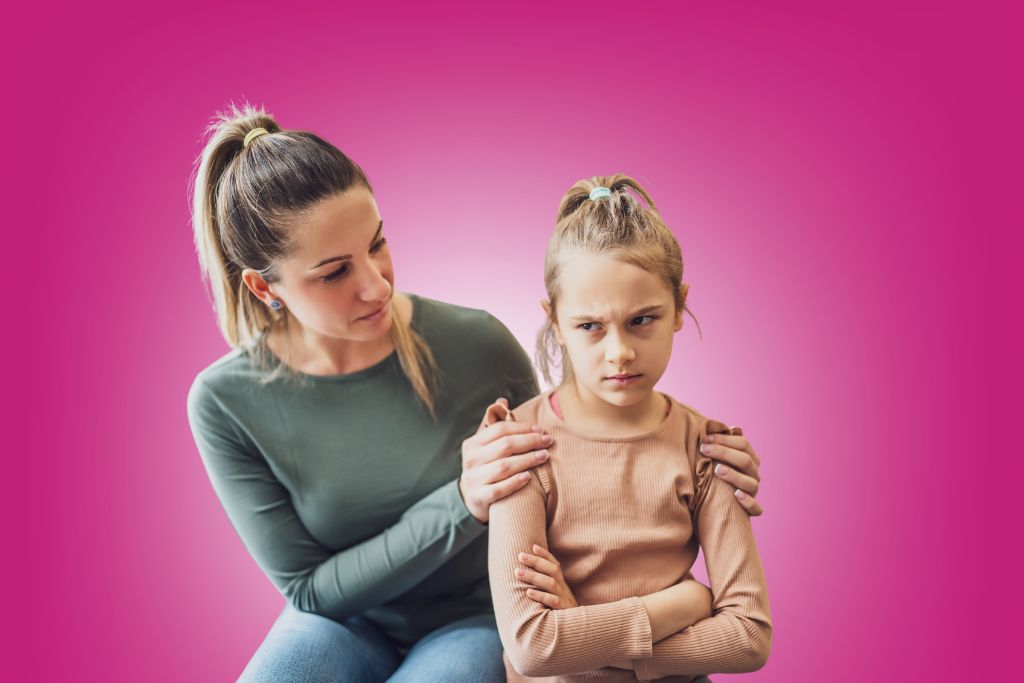
When your child says something hurtful, it activates your own nervous system.
You may feel:
All of those reactions are normal.
The challenge is not whether you feel triggered.
The challenge is what you do next.
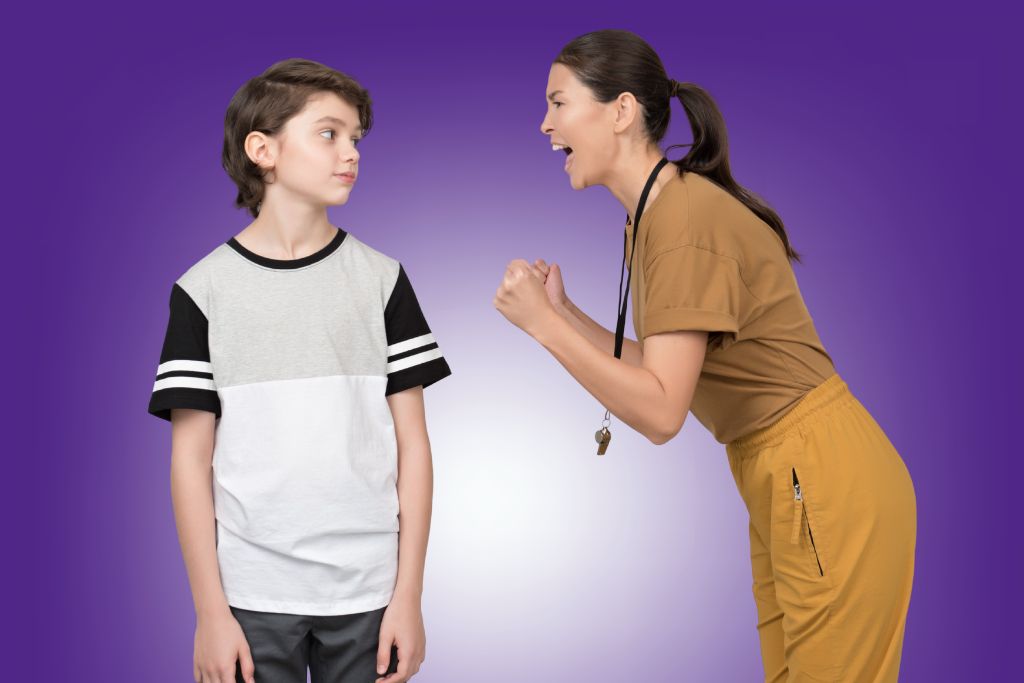
When parents react from their own emotional pain, the situation often escalates.
Examples include:
While understandable, these reactions often add fuel to an already overwhelmed nervous system.
Instead of regulation, everyone becomes more dysregulated.
That's called co-dysregulation.
The goal isn't winning the argument.
The goal is helping your child regulate.
This is where the C.A.L.M.S. Protocol™ becomes incredibly helpful.
Your calm becomes your child's anchor.
Try:
You might say:
"I'm here. Let's take a breath together."
Those words are painful.
But they are not really about you.
Instead of reacting, remind yourself:
"My child is struggling right now."
Try saying:
"I can see you're really upset."
Ask yourself:
Behavior is communication.
Look underneath the words.
Let your child see regulation in action.
Try:
"I'm feeling frustrated too, so I'm going to take a breath."
Children learn emotional regulation by watching us.
Once calm returns, reconnect.
Try:
"We'll get through this together."
or
"I love you, even when things feel hard."
That's where healing happens.
🗣️ "The key is in how we respond. When we take these words personally, we feed the spiral." — Dr. Roseann
Need more tools to regulate yourself and your child?
The Regulation Rescue Kit gives you practical scripts, calming strategies, and Regulation First Parenting™ tools that help families move from chaos to calm. Become a Dysregulation Insider VIP and get your FREE kit today: www.drroseann.com/newsletter
Many parents feel pressure to immediately address the disrespect.
But timing matters.
Focus on:
Examples:
Once the nervous system is regulated, you can revisit what happened.
Try:
Teaching happens after regulation.
Not during survival mode.
Absolutely.
In fact, these difficult moments often become the most powerful opportunities for learning.
Every time you:
you're teaching:
A child who repeatedly lashes out eventually begins saying:
"I'm really mad right now."
instead of
"I hate you."
That's growth.
That's emotional regulation developing.
And it happens through repeated experiences of co-regulation.
You're human.
You won't get this right every time.
The good news is that perfection isn't required.
Repair matters more.
You can say:
Children learn just as much from healthy repair as they do from regulation itself.
When your child says, "I hate you," remember this:
Those words are often a symptom of emotional overwhelm—not a reflection of how they truly feel about you.
Your child isn't giving you a hard time.
They're having a hard time.
Behavior is communication.
When we respond with calm, connection, and regulation, we teach children that relationships can survive difficult moments.
And that's a lesson they'll carry for life.
Remember:
You don't have to be perfect.
You just have to stay present.
Children often say hurtful things when they're emotionally overwhelmed. These statements usually reflect distress, frustration, or dysregulation rather than genuine hatred.
Focus on regulation first. Once your child is calm, you can discuss respectful communication and healthier ways to express emotions.
Frequent hurtful statements can be a sign of emotional dysregulation, anxiety, stress, or difficulty managing emotions. Focus on building regulation skills rather than only correcting behavior.
Absolutely. Those words can be painful. Acknowledging your feelings while regulating your response helps prevent co-dysregulation.
Model emotional language, practice coping skills during calm moments, and create a safe environment where feelings can be expressed without shame.
Take the free Solution Matcher Quiz and discover personalized recommendations based on your child's emotional and behavioral needs. Start here: www.drroseann.com/help
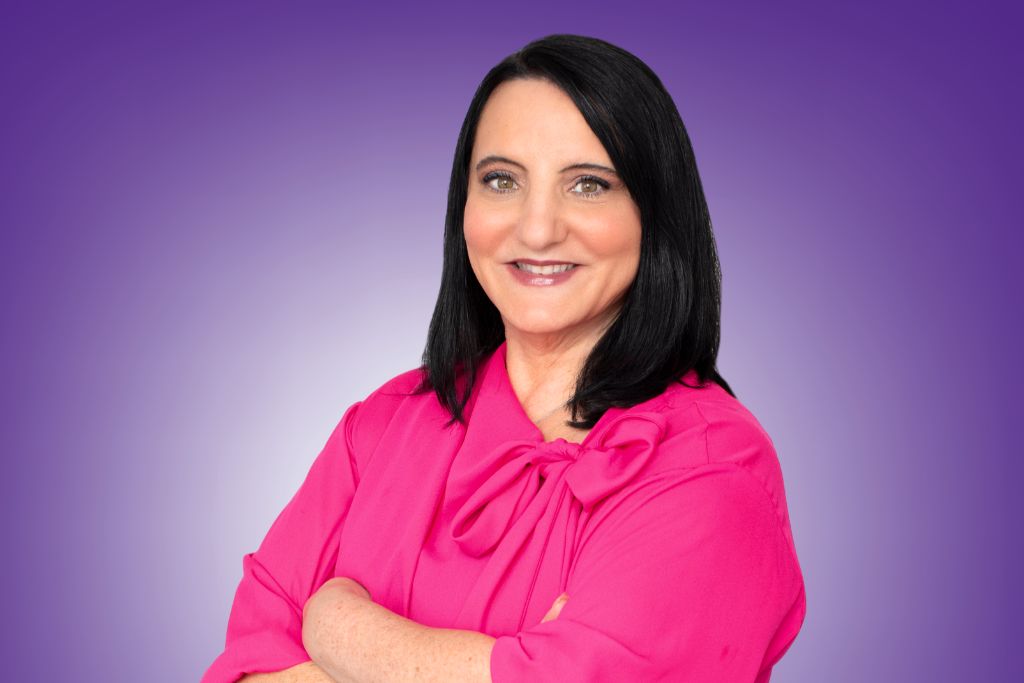
Dr. Roseann Capanna-Hodge is a licensed therapist, certified school psychologist, and leading expert in emotional dysregulation in children. With over 30 years of experience, she helps parents understand the root causes of meltdowns, anxiety, ADHD, and challenging behavior through the lens of nervous system regulation. Dr. Roseann teaches practical, science-backed strategies for co-regulation and how to calm a dysregulated child using her Regulation First Parenting™ approach. She is the host of the Dysregulated Kids Podcast and author of The Dysregulated Kid.
Dr. Roseann Capanna-Hodge
Emotional Dysregulation in Children & Nervous System Expert
Regulation First Parenting™ | CALMS Protocol™
Host of the Dysregulated Kids Podcast (Top 1% Globally)
Author of The Dysregulated Kid