Find Your Solution
In 3 minutes, you’ll know where to start ➤
%20.png)





Estimated Reading Time: 7 Minutes
The #1 thought-calming strategy every parent of an anxious child needs to know is this:
Stop rescuing and start coaching.
That doesn't mean abandoning your child when they're struggling. It means helping them build the skills to tolerate discomfort, regulate their nervous system, and face fears with confidence.
In this episode, I explain how anxiety and OCD grow, why accommodation fuels the cycle, and how parents can help children develop lifelong coping skills and emotional resilience.
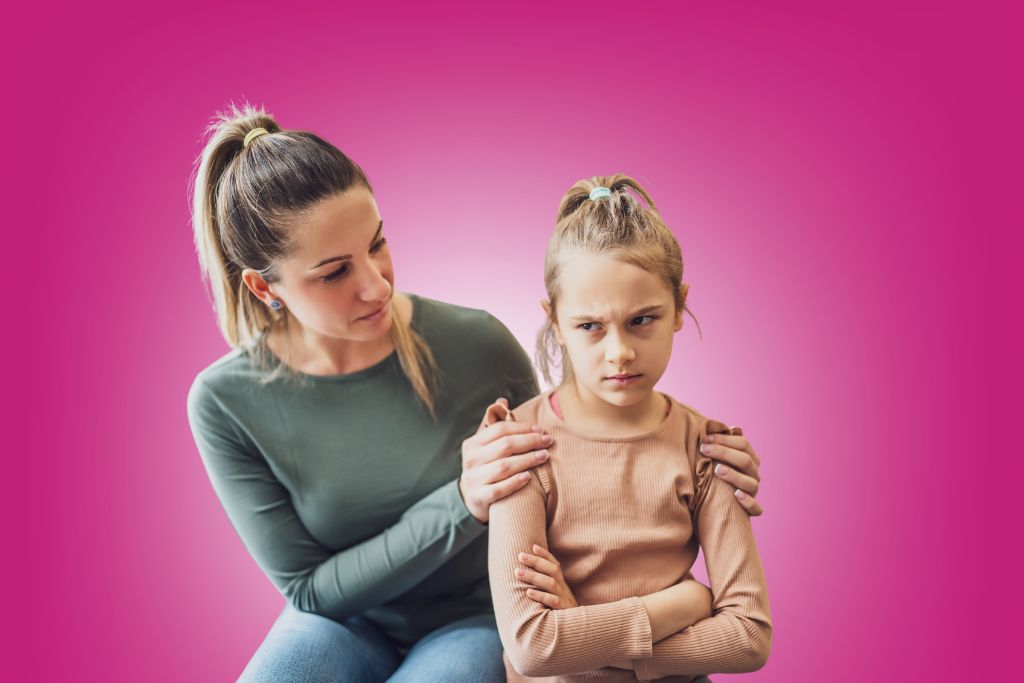
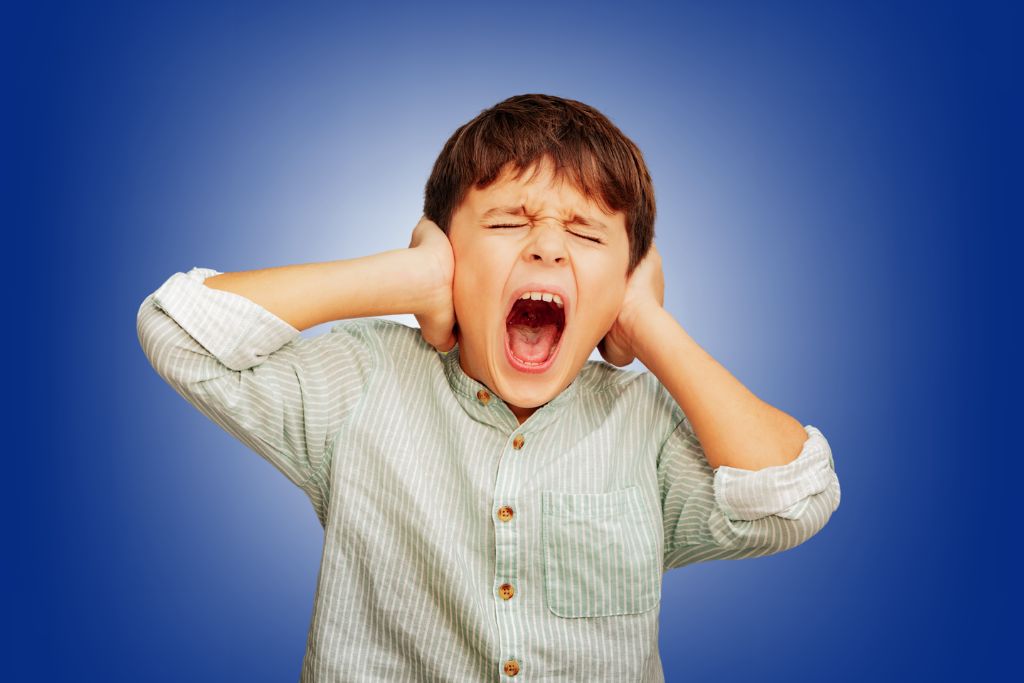
When children are anxious, parents naturally want to make them feel better.
You might hear:
And because you love your child, you answer.
Again.
And again.
And again.
The problem is that reassurance provides only temporary relief.
Every time a child receives reassurance:
Instead of learning to tolerate uncertainty, children learn to depend on reassurance.
This strengthens anxiety over time.
Anxiety is not attention-seeking.
It's a nervous system searching for safety.
The goal isn't eliminating discomfort.
The goal is teaching children how to manage it.
Accommodation happens when parents change their behavior to help a child avoid distress.
Examples include:
While accommodations feel helpful, they unintentionally reinforce fear.
Every accommodation tells the brain:
"This fear must be dangerous."
As a result:
A child becomes anxious about school and repeatedly asks if everything will be okay.
The parent reassures them dozens of times each day.
The child feels better temporarily.
But over time, the anxiety becomes stronger because the brain never learns that uncertainty can be tolerated.
One of the biggest misconceptions about anxiety is that it stays the same.
It doesn't.
Untreated anxiety often grows.
When the nervous system stays activated for long periods, it affects both emotional and physical well-being.
I worked with a family who noticed anxiety in their daughter at age four.
Initially, reassurance and accommodations seemed to help.
But over time, the anxiety grew into severe OCD and depression.
The issue wasn't a lack of love.
The issue was that she never learned how to manage the fear.
Everything changed once we began focusing on nervous system regulation and Exposure and Response Prevention (ERP).
Today she is thriving.
The answer is simple but powerful:
Stop rescuing and start coaching.
Instead of removing every obstacle, help your child build the skills to face challenges.
When children learn:
their confidence grows.
Instead of offering reassurance, try asking:
These questions help children access their own problem-solving abilities.
That's where resilience develops.
🗣️ "The real transformation begins when we stop rescuing and start coaching." — Dr. Roseann
Feeling overwhelmed by your child's anxiety?
The Regulation Rescue Kit provides practical tools to help calm the nervous system, reduce emotional overwhelm, and support emotional regulation at home. Become a Dysregulation Insider VIP and get your FREE kit today: www.drroseann.com/newsletter
Help your child notice situations that activate anxiety.
Awareness is the first step toward change.
Instead of discussing worries all day, set aside a specific time for them.
This reduces rumination.
Practice:
Guide rather than rescue.
Build confidence instead of dependence.
Children learn from what they see.
Let them watch you manage stress in healthy ways.
Celebrate courage.
Celebrate practice.
Celebrate persistence.
Not perfection.
Gradually stop participating in behaviors that reinforce anxiety.
This step often creates the biggest breakthroughs.
Exposure and Response Prevention (ERP) is considered the gold-standard treatment for OCD and many forms of anxiety.
Children learn to:
ERP teaches the brain: "I can handle this."
That's a powerful lesson.
ERP works best when the nervous system is regulated.
That's why Regulation First Parenting™ is so important.
When children feel safe enough to learn, coping skills finally stick.
If your child struggles with anxiety or OCD, remember:
You don't have to remove every fear.
You don't have to fix every worry.
And you don't have to rescue your child from every uncomfortable feeling.
Your job is to coach.
To guide.
To support.
To help them discover that they are stronger than their fears.
Behavior is communication.
Anxiety is a nervous system asking for support.
When you focus on regulation first and coaching second, children learn that fear doesn't have to be in charge.
That's where real healing begins.
It's gonna be OK.
Reassurance provides temporary relief but teaches the brain to depend on external comfort rather than building internal coping skills.
Accommodation occurs when parents change their behavior to help children avoid distress. While well-intentioned, it often reinforces anxiety and avoidance.
Exposure and Response Prevention (ERP) is a highly effective treatment that helps children gradually face fears while resisting compulsive behaviors.
Focus on coaching rather than fixing. Teach coping skills, ask empowering questions, and help your child build confidence through manageable challenges.
Many children benefit from nervous system regulation, therapy, ERP, coping skills training, and family support. Treatment plans should always be individualized.
Not sure where to start?
Take the free Solution Matcher Quiz and get personalized recommendations based on your child's emotional and behavioral needs. Start here: www.drroseann.com/help
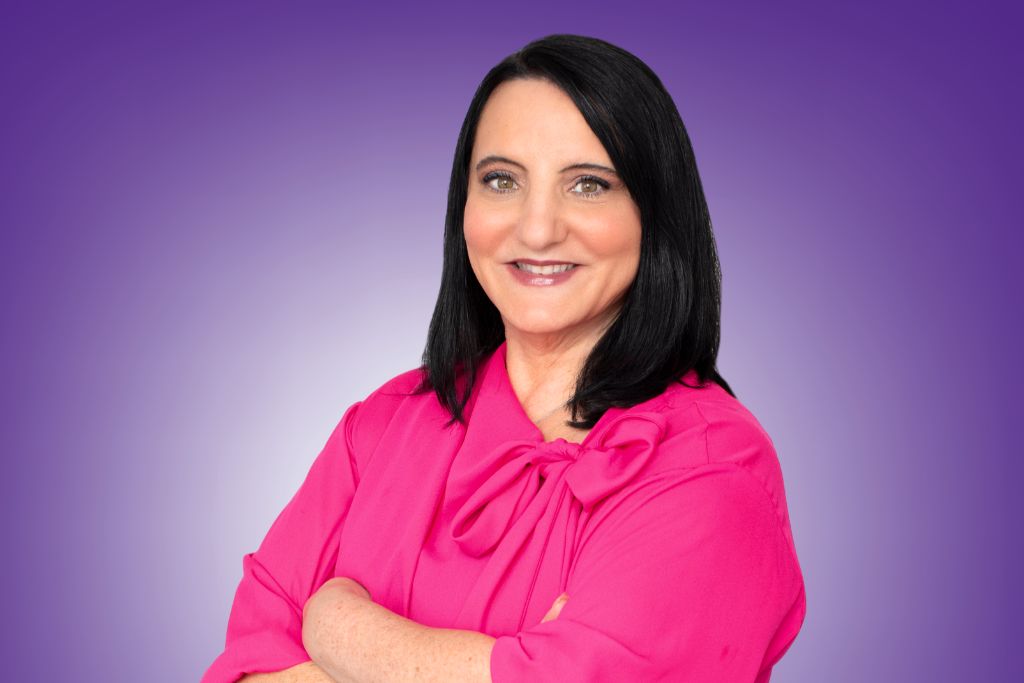
Dr. Roseann Capanna-Hodge is a licensed therapist, certified school psychologist, and leading expert in emotional dysregulation in children. With over 30 years of experience, she helps parents understand the root causes of meltdowns, anxiety, ADHD, and challenging behavior through the lens of nervous system regulation. Dr. Roseann teaches practical, science-backed strategies for co-regulation and how to calm a dysregulated child using her Regulation First Parenting™ approach. She is the host of the Dysregulated Kids Podcast and author of The Dysregulated Kid.
Dr. Roseann Capanna-Hodge
Emotional Dysregulation in Children & Nervous System Expert
Regulation First Parenting™ | CALMS Protocol™
Host of the Dysregulated Kids Podcast (Top 1% Globally)
Author of The Dysregulated Kid