Find Your Solution
In 3 minutes, you’ll know where to start ➤
%20.png)
The NIMH estimates that approximately 12.5 percent of U.S. teens are depressed. Depression can develop from a complex combination of factors including genetics, gut health, physical health, brain chemistry, environmental stressors, anxiety, trauma, and resilience level.
Depression can look very different in children versus adults and from person to person. Some individuals may start to become internalizers. This means that they will show signs of withdrawal and have lower affect behaviors. Other individuals may become externalizers and express themselves with outward signs of agitation and anger. Some people may have physical pain or physical symptoms that result from depression. It also isn’t unusual for a person to experience long-term anxiety before experiencing depression.
Understanding what is typical “moody” behavior in kids and teens versus what might be a mood issue or depression can be hard for parents to sort out. For those of us that have multiple children, we know that kids come out with their own personalities and sometimes kids can be wired as a “glass half empty.” You know, always, “No!” or just lack that flexibility that makes parenting oh so hard.
The question is, “Is your kid’s moodiness a clinical problem?” In order to better understand the source of your child’s behavior, you need to understand the signs and symptoms of mood disorders in children.
clinical guide

For those of us that have multiple children, we know that kids come out with their own personalities and sometimes kids can be wired as a “glass half empty.”
Mood Disorders is a term used to describe a group of clinical disorders whereby a person has difficulty regulating mood. No two people look the same with a mood disorder, as there can be internalizing symptoms (sadness, withdrawn behaviors, etc.) and externalizing behavior (anger, hyperactivity, etc.).
CASE STUDY:

12-year old boy diagnosed mood and behavioral regulation issues
Henry was a 12 yr-old-boy with a history of poor attention, impulse control issues, peer relation difficulties and non compliant behavior. His parents and grandmother reported that, “Henry came out difficult.” He was the product of prolonged labor and was born “blue” but no concerns from the physician were noted. Colic, sleep problems, constipation, picky eating, and sensory issues were present in early childhood.

With the use of imaging studies, we can physically see how the brainwaves of a person with depression work and look differently.
The symptoms of mood disorders are different when comparing children and adults. Children’s mood issues may be masked by somatic symptoms such as stomach aches, sleep problems, and sensory issues.
Children and teens often lack the awareness and verbal skills to make the connection between body sensations, thoughts and feelings to the difficulties they are experiencing in everyday life. Parents often make the mistake that their bright child has the awareness and words to express their internal struggles, when it is rare for children to be able to do that. Unless you are living in a “high emotional IQ” home where families are talking about feelings and emotions all day long as an integrated part of parenting, kids won’t have the connectedness or words to really express themselves.
Children with mood disorders may display purposeful behaviors and are often labeled as “bad kids” or “difficult” when in reality, they struggle with self-regulation of mood and behavior.

We marry Neuroscience with clinically proven and effective, holistic therapies. We also combine traditional talk therapy with effective techniques that directly impact the subconscious, such as, EFT/Tapping, hypnosis, somatic therapy, art or play therapy, etc. Our counselors understand the brain-gut connection and utilize cutting edge tools and techniques in the most gentle and effective ways possible.
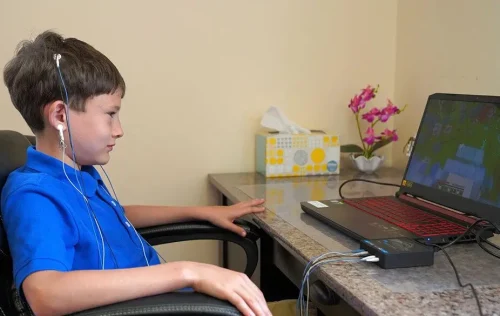
Individuals with depression often display both results of overactive and underactive activity in their brain wave functioning. Irregular Alpha wave activity is commonly seen in those with depression. Neurofeedback changes the brain waves ratios to more regulated functioning, healthier and therefore reduce depressive symptoms.
Learn more about our Neurofeedback.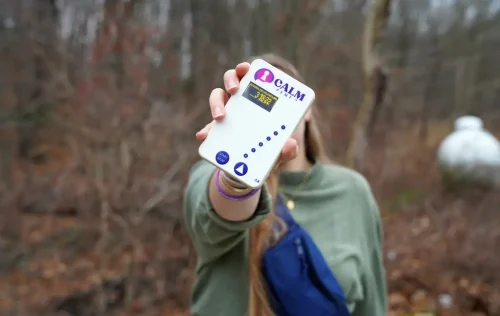
PEMF and Biofeedback are designed to help the Central Nervous System (CNS) to calm down. Physiologically, the body is programmed to deal with stress first and healing second, so when we get the CNS to calm down, it promotes an environment where the body can heal itself, improve sleep and increase feelings of well-being.
Get your very own Calm PEMF device. Click here.


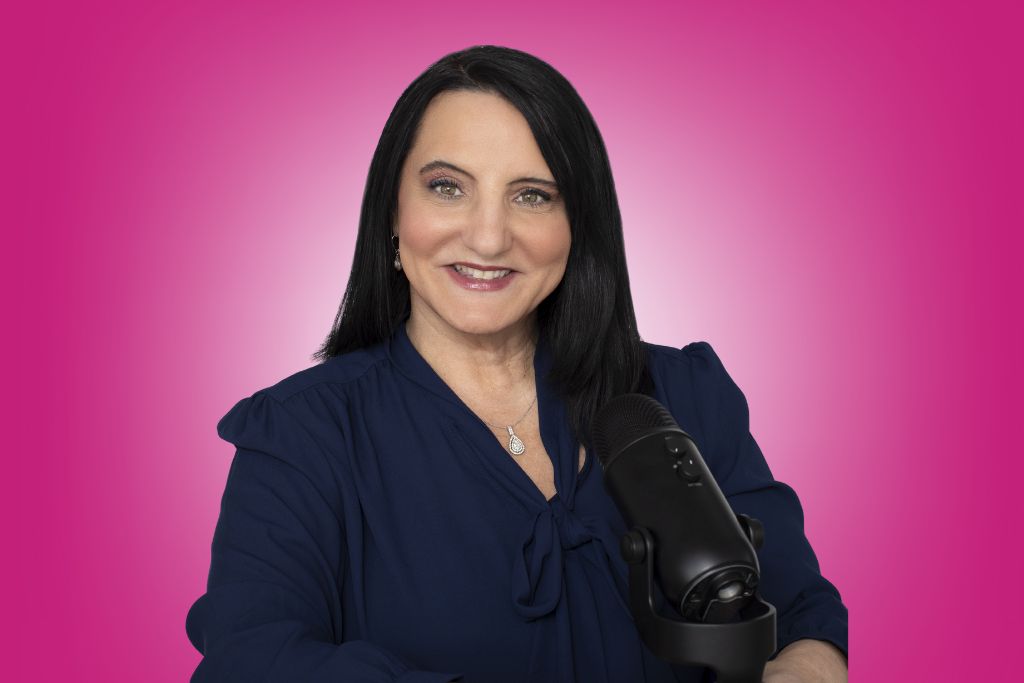
Dr. Roseann is a Psychologist who supports children, teens, and young adults from all over the U.S. with research-based holistic therapies that are bridged with neuroscience.
Dr. Roseann is a Board Certified Neurofeedback (BCN) Practitioner and is a Board Member of the Northeast Region Biofeedback Society (NRBS) and Epidemic Answers.
She is also a member of the International Society for Neurofeedback and Research (ISNR) and The Association of Applied Psychophysiology and Biofeedback (AAPB).

We’ve helped over 10,000+ children, teens, and young adults find relief, calm the brain, and lead healthy lives. If you’re worried that your current path is not getting to the bottom of the issues…all you need to do is fill out our solution matcher. We’ll let you know which of our solutions is right for your child and family.