Find Your Solution
In 3 minutes, you’ll know where to start ➤
%20.png)





Estimated Reading Time: 5 minutes
Emotional dysregulation and trauma are deeply connected, yet many parents never realize what's happening beneath the surface. When a child has explosive outbursts, anxiety, shutdowns, perfectionism, or seemingly extreme reactions to everyday situations, trauma may be playing a larger role than anyone realizes.
Trauma isn't always obvious. It isn't limited to one major event. It can stem from chronic stress, bullying, family conflict, medical challenges, accidents, or emotionally unsafe experiences that overwhelm a child's ability to cope.
In this episode, we're exploring how emotional dysregulation and trauma affect the developing brain, the signs parents often miss, and the tools that help children feel safe, calm, and connected again.
Trauma keeps the brain locked in survival mode.
When a child doesn't feel safe, the nervous system prioritizes protection over learning, connection, and emotional regulation.
As a result:
Even small stressors can feel overwhelming.
A child may react strongly to:
What looks like overreacting is often a nervous system responding to perceived danger.
This is why emotional dysregulation in children is often one of the first signs that something deeper may be happening.
One mother noticed her 10-year-old suddenly refusing school.
Her daughter began:
Initially, everyone assumed it was anxiety.
But after further evaluation, unresolved trauma from a recent car accident emerged as the root cause.
The behavior wasn't manipulation.
It was a brain trying to stay safe.
Trauma rarely looks the way most people expect.
Instead, it often appears through behavior.
Common signs include:
Children may:
Some children move in the opposite direction.
They may:
Many children attempt to create safety by becoming:
Trauma can also show up through:
Watch for:
These are not character flaws.
They are signs of a nervous system that remains on high alert.
When emotional dysregulation and trauma overlap with ADHD, autism, anxiety, or sensory challenges, symptoms can become even more complex.
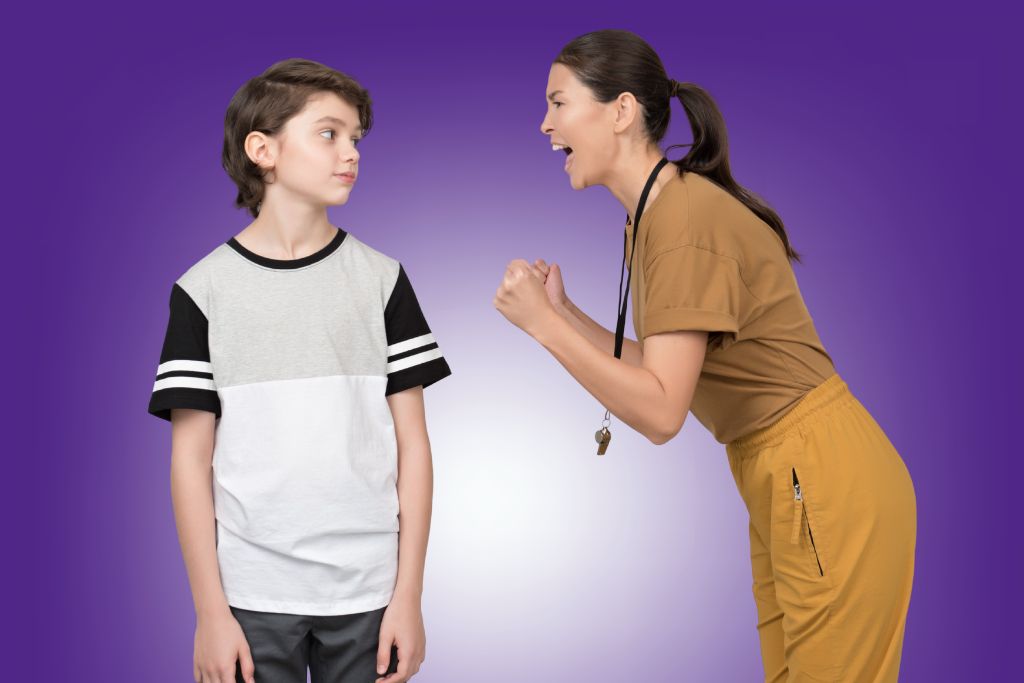
Many trauma responses are misunderstood as defiance.
Parents may see:
But what appears to be a defiant child is often a child whose nervous system does not feel safe.
Behavior is communication.
Children communicate stress through behavior long before they can explain it with words.
Instead of asking:
"Why is my child acting this way?"
Try asking:
"What is my child's nervous system trying to tell me?"
That shift changes everything.
Healing does not start with behavior correction.
Healing starts with safety.
Before children can regulate, learn, or process difficult experiences, their nervous systems must feel supported.
Here are some helpul strategies:
Children heal best when life feels consistent.
Helpful strategies include:
Helpful regulation practices include:
Daily regulation helps build nervous system resilience.
When parenting a dysregulated child, your nervous system becomes one of the most powerful healing tools available.
Children borrow calm from regulated adults.
Support your child by:
Effective trauma therapies often include:
These approaches help the brain process experiences rather than staying stuck in survival mode.
Trauma treatment is not one-size-fits-all.
Look for providers who understand:
The right support can make a tremendous difference.
🗣️ “It’s not bad parenting. It’s a dysregulated brain asking for help.” — Dr. Roseann
Absolutely.
The brain is adaptable.
The nervous system is capable of change.
Children who receive consistent support often experience improvements in:
Healing does not happen overnight.
But every moment of safety, connection, and regulation helps build new pathways in the brain.
This is why addressing emotional dysregulation and trauma early can have such a powerful impact.
Trauma does not mean your child is broken.
It means their nervous system has been carrying more than it can manage alone.
When we stop focusing only on behavior and start supporting the brain, everything changes.
Remember:
There is always a path forward.
And you do not have to walk it alone.
Yes. Trauma often leaves the nervous system stuck in survival mode, making it difficult for children to regulate emotions, tolerate stress, and recover from challenges.
Signs include intense emotional reactions, frequent mood swings, emotional shutdowns, difficulty calming down, and responses that seem much bigger than the situation.
Common causes include trauma, chronic stress, sensory overload, anxiety, neurodevelopmental differences, and nervous system dysregulation.
Yes. With the right support, including regulation tools, trauma-informed therapies, and nervous system-focused interventions, children can learn to feel safe and regulated again.
Because survival responses often show up as arguing, refusal, avoidance, or emotional outbursts. What looks like a defiant child is often a child whose nervous system is overwhelmed and searching for safety.
Not sure where to start?
Take the guesswork out of helping your child.
Use our free Solution Matcher to get a personalized plan based on your child’s unique needs, whether it’s ADHD, anxiety, mood issues, trauma, or emotional dysregulation.
Start here: www.drroseann.com/help
Dr. Roseann Capanna-Hodge is a licensed therapist, certified school psychologist, and leading expert in emotional dysregulation in children. With over 30 years of experience, she helps parents understand the root causes of meltdowns, anxiety, ADHD, and challenging behavior through the lens of nervous system regulation. Dr. Roseann teaches practical, science-backed strategies for co-regulation and how to calm a dysregulated child using her Regulation First Parenting™ approach. She is the host of the Dysregulated Kids Podcast and author of The Dysregulated Kid.
Dr. Roseann Capanna-Hodge
Emotional Dysregulation in Children & Nervous System Expert
Regulation First Parenting™ | CALMS Protocol™
Host of the Dysregulated Kids Podcast (Top 1% Globally)
Author of The Dysregulated Kid