Find Your Solution
In 3 minutes, you’ll know where to start ➤
%20.png)





Estimated Reading Time: 5 minutes
Parenting a child who melts down no matter how hard you try can feel exhausting and lonely. You've tried traditional discipline, taken away privileges, used sticker charts, and implemented time-outs. Yet the behavior keeps coming back.
If you're raising a sensitive, neurodivergent, or emotionally reactive child, you're not doing anything wrong.
The problem isn't your parenting.
The problem is that many discipline strategies focus on behavior while ignoring the nervous system.
In this episode, we're exploring why traditional discipline often backfires, how to use effective calming tools for meltdowns, and what actually helps children build lasting self-regulation skills.
Many parenting approaches assume that children are calm enough to learn from consequences.
But a dysregulated child cannot learn effectively when they're overwhelmed.
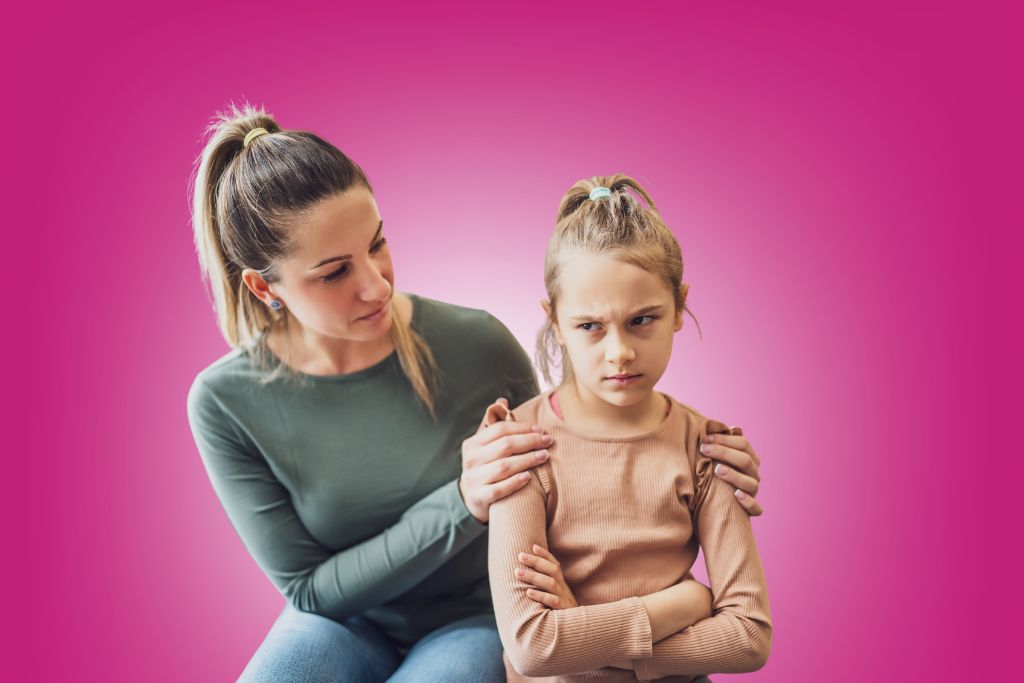
For many neurodivergent children, time-outs don't feel like teaching.
They feel like rejection.
When a child becomes dysregulated:
This means that even the best lesson won't stick in the moment.
Many sensitive children experience:
Instead of helping them calm down, the nervous system becomes even more activated.
Remember:
It's not bad parenting.
It's a dysregulated brain.
One of the most powerful calming tools for meltdowns is your own nervous system.
Children borrow regulation from us.
When you become the emotional anchor, your child has a better chance of calming too.
Try:
You don't need to be perfect.
Even getting it right 80% of the time creates meaningful change.
Children learn regulation by experiencing it.
When you stay calm:
🗣️ “When you calm yourself first, you give your child the right tools to eventually calm themselves too.” — Dr. Roseann
You don’t have to figure this out alone.
Become a Dysregulation Insider VIP and get your FREE Regulation Rescue Kit: How to Stay Calm When Your Child Pushes Your Buttons and Stop Oppositional Behaviors.
Head to www.drroseann.com/newsletter and start your calm parenting journey today.
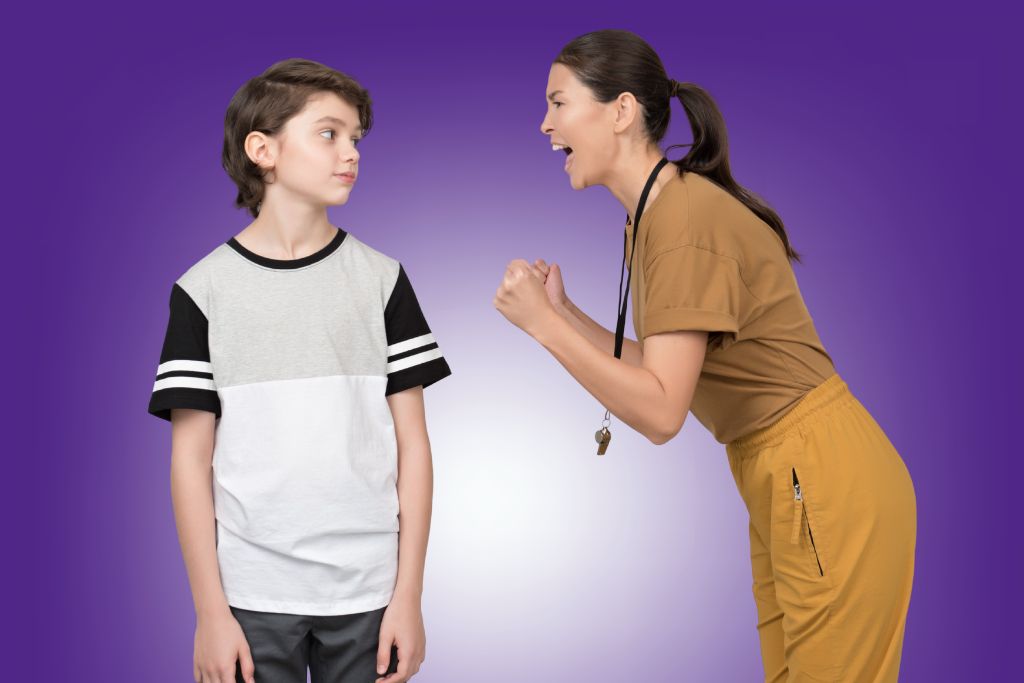
Many parents notice that consequences start feeling less like teaching and more like punishment.
That's often a sign it's time to shift the approach.
Instead of asking:
Ask:
Behavior is communication.
It tells us:
Children learn best when we:
Without regulation:
Connection creates the conditions for growth.
Self-regulation skills for children develop through practice, repetition, and support.
Children do not simply outgrow dysregulation.
They learn regulation through experience.
Children watch what we do.
Show them:
After a challenging moment:
Do this only when everyone is calm.
Celebrate:
Small improvements lead to lasting change.
Every meltdown becomes an opportunity to teach:
Children need tools that help regulate the nervous system, especially during moments of overwhelm.
Effective calming tools for meltdowns include:
Try:
Helpful options include:
These can be especially beneficial for children experiencing sensory overload in children.
Practice:
Children feel safer when they know what to expect.
Consistency reduces stress and supports regulation.
Many neurodivergent children experience heightened sensitivity to sensory input.
Triggers may include:
When sensory stress builds, behavior often worsens.
Signs of sensory overload in children may include:
Supporting sensory needs can dramatically reduce dysregulation.
When traditional discipline isn't working, it doesn't mean you've failed.
It means your child needs a different approach.
Sensitive and neurodivergent children thrive when we:
Every moment of co-regulation helps your child build the emotional foundation they'll use for life.
When we stop focusing on control and start focusing on connection, real change begins.
Feel like you've tried everything and still don't have answers?
The Solution Matcher helps you find the best starting point based on your child's symptoms, behaviors, and history.
It's fast, free, and based on decades of clinical expertise.
Get your personalized plan now at www.drroseann.com/help
Unlock your child's potential in just one week with Quick Calm, a step-by-step program designed to help sensitive and neurodivergent kids settle their nervous system.
When the brain feels calm, real change begins.
Start today at www.drroseann.com/quickcalm
Yes, but discipline should focus on teaching and regulation rather than punishment. Connection and nervous system support are often far more effective than traditional consequences.
Many families navigate emotional reactivity, sensory challenges, executive functioning struggles, and nervous system dysregulation. These behaviors are often signs of overwhelm rather than intentional misbehavior.
Every child is different. Some withdraw, while others become reactive or explosive. Behavior is often a reflection of stress, nervous system activation, or sensory overload in children.
Movement, sensory supports, breathing exercises, co-regulation, and predictable routines are some of the most effective strategies for helping children regulate.
Children build regulation skills through repeated experiences of co-regulation, emotional coaching, nervous system support, and practicing coping strategies during calm moments.
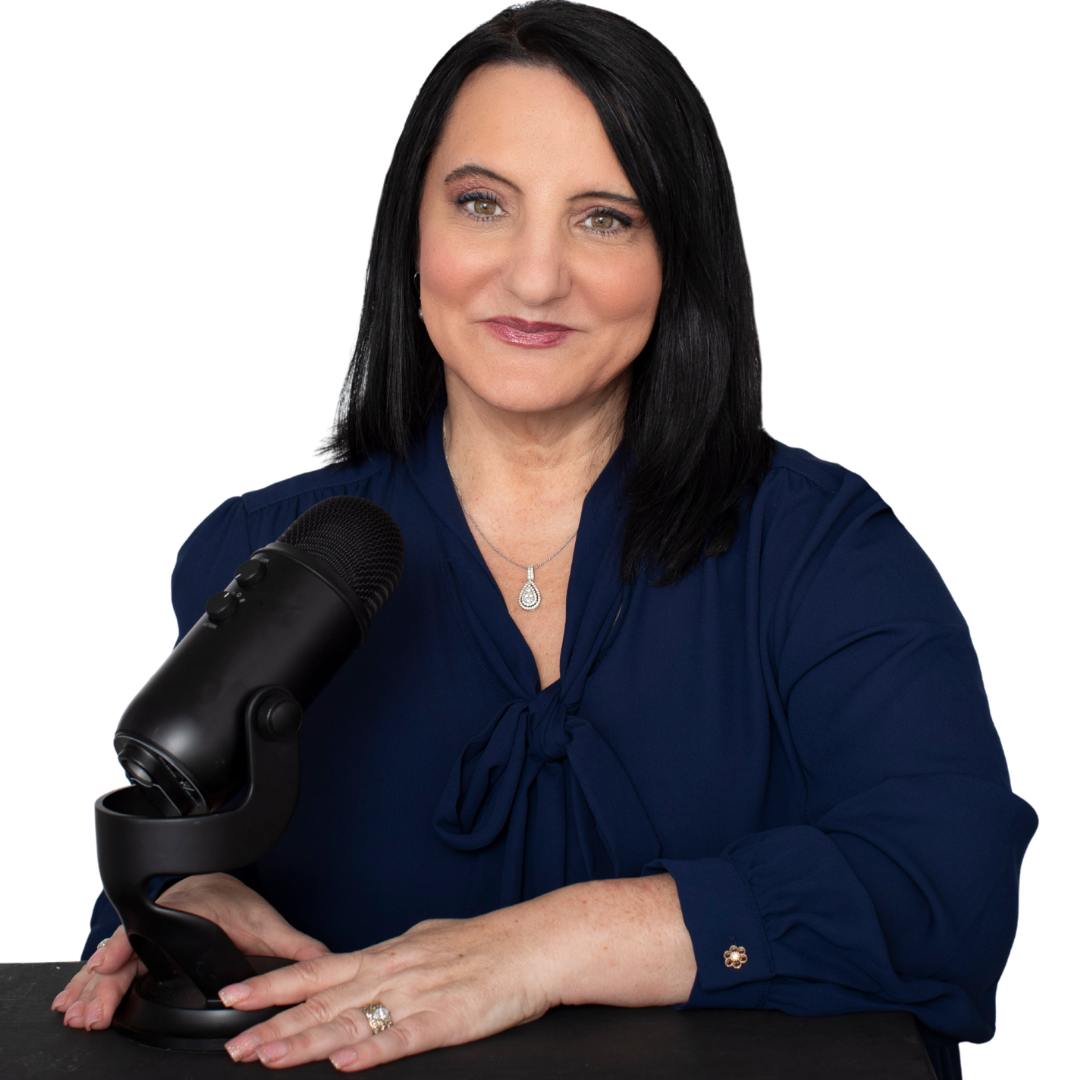
Dr. Roseann Capanna-Hodge is a licensed therapist, certified school psychologist, and leading expert in emotional dysregulation in children. With over 30 years of experience, she helps parents understand the root causes of meltdowns, anxiety, ADHD, and challenging behavior through the lens of nervous system regulation. Dr. Roseann teaches practical, science-backed strategies for co-regulation and how to calm a dysregulated child using her Regulation First Parenting™ approach. She is the host of the Dysregulated Kids Podcast and author of The Dysregulated Kid.
Dr. Roseann Capanna-Hodge
Emotional Dysregulation in Children & Nervous System Expert
Regulation First Parenting™ | CALMS Protocol™
Host of the Dysregulated Kids Podcast (Top 1% Globally)
Author of The Dysregulated Kid