Find Your Solution
In 3 minutes, you’ll know where to start ➤
%20.png)





Estimated Reading Time: 5 minutes
Have you ever noticed your child melting down after certain meals, struggling with mood swings, or becoming emotionally reactive for no obvious reason? If so, the answer may not be in their behavior alone. The connection between gut health and emotional regulation is one of the most overlooked factors affecting children's mood, focus, and emotional well-being.
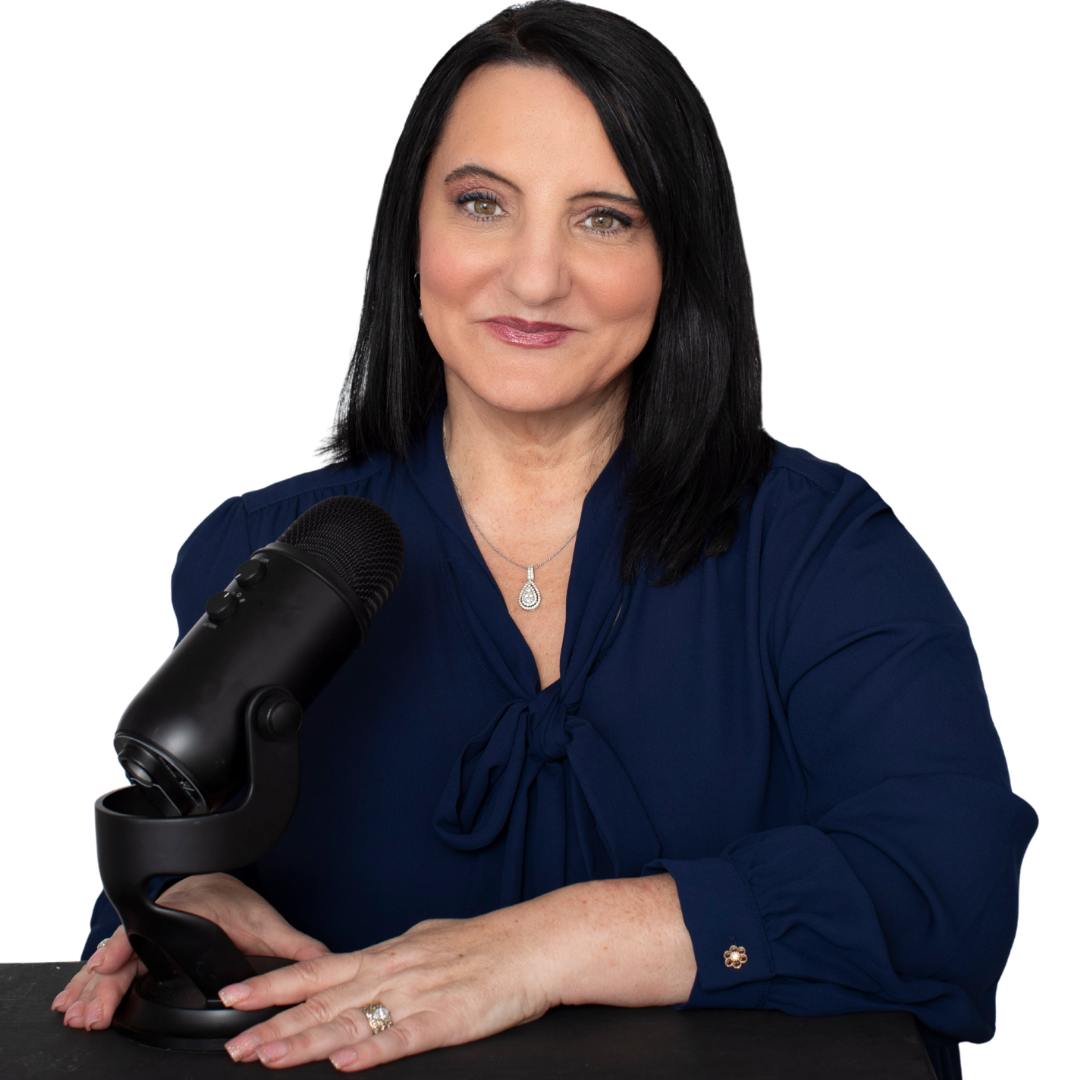
In this episode, we're exploring how the gut-brain connection influences behavior, why digestive health matters for emotional regulation, and simple steps parents can take to support both the gut and the nervous system.
Many parents notice behavior changes after meals but don't realize the gut microbiome may be involved.
The gut and brain communicate constantly through what's known as the gut-brain axis.
When gut health suffers, emotional regulation often suffers too.
Some children are sensitive to:
These foods can contribute to:
Poor digestive health may also involve:
When toxins and inflammatory compounds circulate through the body, they can affect the brain and nervous system.
Behavior is communication.
Sometimes it's the gut communicating that something isn't working.
If you're tired of walking on eggshells or feeling like nothing works, get the FREE Regulation Rescue Kit and finally learn what to say and do in the heat of the moment.
Become a Dysregulation Insider VIP at www.drroseann.com/newsletter and take the first step to a calmer home.
Most people think the gut is only responsible for digestion.
In reality, it plays a major role in emotional and neurological health.
The digestive system helps regulate:
Did you know that approximately 90% of serotonin is produced in the digestive tract?
Serotonin helps regulate:
When the gut microbiome becomes imbalanced, emotional regulation often becomes more difficult.
An imbalance of beneficial bacteria may contribute to:
This is one reason gut health and emotional regulation are so closely linked.
🗣️ “When the gut is inflamed, the developing brain can’t function at its best, leading to struggles with emotional well-being, focus, and even sleep disturbances.” — Dr. Roseann
Research continues to show strong links between gut health and a variety of childhood challenges.
Conditions commonly associated with gut dysfunction include:
Gut dysbiosis may interfere with:
Children with ADHD often experience both behavioral and digestive symptoms.
Many autistic children experience:
These symptoms can significantly affect emotional dysregulation in children.
An unhealthy gut microbiome may contribute to:
Supporting gut health may help strengthen both emotional and physical resilience.
The good news is that small changes often make a big difference.
You do not need to overhaul your entire life overnight.
Start by limiting:
Reducing inflammatory foods supports both the gut and brain.
Focus on:
These foods help nourish beneficial gut bacteria.
Helpful sources include:
A healthier microbiome supports better gut health and emotional regulation.
Some children benefit from working with an integrative practitioner to explore:
Testing can help identify hidden contributors to emotional and behavioral challenges.
The gut and nervous system work together.
When children are stressed, digestion suffers.
When digestion suffers, emotional regulation becomes harder.
This creates a cycle that can keep children stuck.
Helpful practices include:
These habits support nervous system regulation in children while also improving digestive health.
Track:
Patterns often emerge that help parents identify specific triggers.
Many kids with big emotions have nervous systems that are highly sensitive.
When gut health is compromised, those sensitivities can become amplified.
You may notice:
Supporting gut health helps create a stronger foundation for emotional resilience.
When the gut feels better, the brain often functions better too.
🗣️ “When we support the gut, we’re not just helping digestion. We’re giving kids a stronger foundation for focus, calm, and resilience.” — Dr. Roseann
The relationship between gut health and emotional regulation is powerful.
When we support the gut, we often see improvements in:
You do not need to make every change at once.
Start small.
Pay attention to patterns.
Focus on supporting both the gut and the nervous system.
Those simple steps can create meaningful changes for your child and your entire family.
Help your child find calm fast! In just one week, our Quick Calm program gives you the tools to ease stress, boost regulation, and unlock their true potential:

Look for signs such as stomachaches, constipation, food sensitivities, sleep problems, mood swings, anxiety, or attention difficulties. A gut-brain diary can help identify patterns.
Start by reducing processed foods and sugar, increasing whole foods and fiber, supporting hydration, and adding probiotics when appropriate.
Research has linked gut health concerns to anxiety, ADHD, autism spectrum disorder, mood disorders, and emotional dysregulation in children.
Yes. Supporting the gut microbiome can improve mood, stress resilience, focus, and overall emotional regulation.
The gut and nervous system constantly communicate. Supporting nervous system regulation in children helps improve digestion, stress tolerance, and emotional well-being.
Feel like you've tried everything and still don't have answers?
The Solution Matcher helps you find the best starting point based on your child's symptoms, behaviors, and history.
It's fast, free, and based on decades of clinical expertise.
Get your personalized plan now at www.drroseann.com/help
Dr. Roseann Capanna-Hodge is a licensed therapist, certified school psychologist, and leading expert in emotional dysregulation in children. With over 30 years of experience, she helps parents understand the root causes of meltdowns, anxiety, ADHD, and challenging behavior through the lens of nervous system regulation. Dr. Roseann teaches practical, science-backed strategies for co-regulation and how to calm a dysregulated child using her Regulation First Parenting™ approach. She is the host of the Dysregulated Kids Podcast and author of The Dysregulated Kid.
Dr. Roseann Capanna-Hodge
Emotional Dysregulation in Children & Nervous System Expert
Regulation First Parenting™ | CALMS Protocol™
Host of the Dysregulated Kids Podcast (Top 1% Globally)
Author of The Dysregulated Kid