Find Your Solution
In 3 minutes, you’ll know where to start ➤
%20.png)





Estimated Reading Time: 5 minutes
If your child zones out, explodes, refuses simple tasks, or melts down over the "small stuff," you're probably wondering if something deeper is going on. And you're not wrong for thinking that. Many parents feel defeated, exhausted, and confused by behaviors that don't seem to make sense.
Here's what I want you to know: when your child needs help with behavior, the behavior itself is rarely the real problem.
Behavior is communication.
It's your child's nervous system waving a red flag.
Once we learn to decode what that behavior means, whether it's understimulation, overstimulation, anxiety, or stress, we can begin offering the right support. That's when everything starts to change.
When children appear checked out, parents often assume they're being lazy, defiant, or unmotivated.
What I often see instead is understimulation.
Many children with ADHD, anxiety, depression, or nervous system dysregulation struggle to activate their brains efficiently.
Signs of understimulation may include:
These behaviors can look passive, but they're often important clues that your child needs help with behavior and nervous system support.
A child spends hours scrolling on a device but cannot start homework.
The issue isn't laziness.
The issue is that the brain is seeking stimulation while struggling with task initiation.
Instead of saying:
Try:
Small shifts can help bring focus back online.
Offering choices also helps.
Instead of:
Try:
Choices reduce power struggles and increase cooperation.
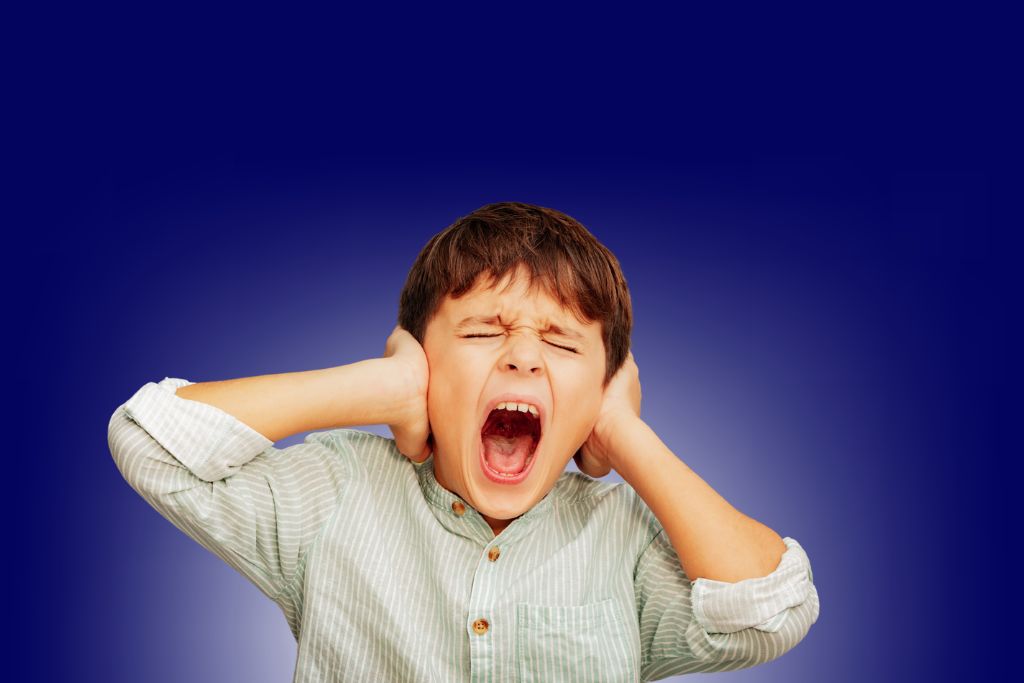
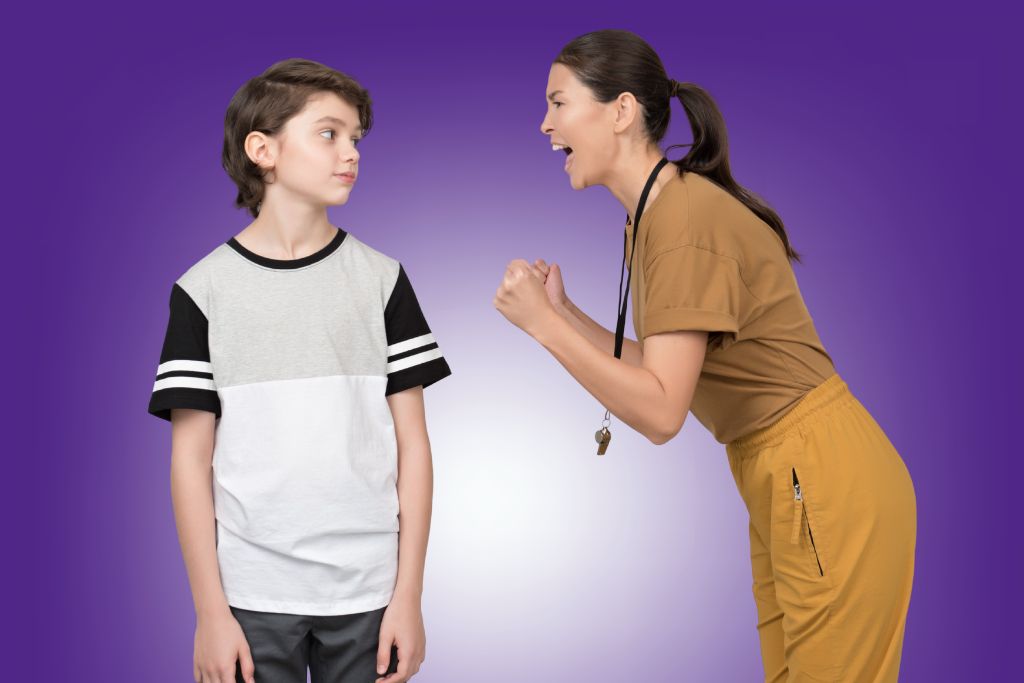
When a child seems calm one moment and explosive the next, overstimulation is often the culprit.
Many parents mistake this for attitude or defiance.
In reality, it is often nervous system overload.
Common signs include:
Watch for:
These are signs of a dysregulated child, not a child who is intentionally being difficult.
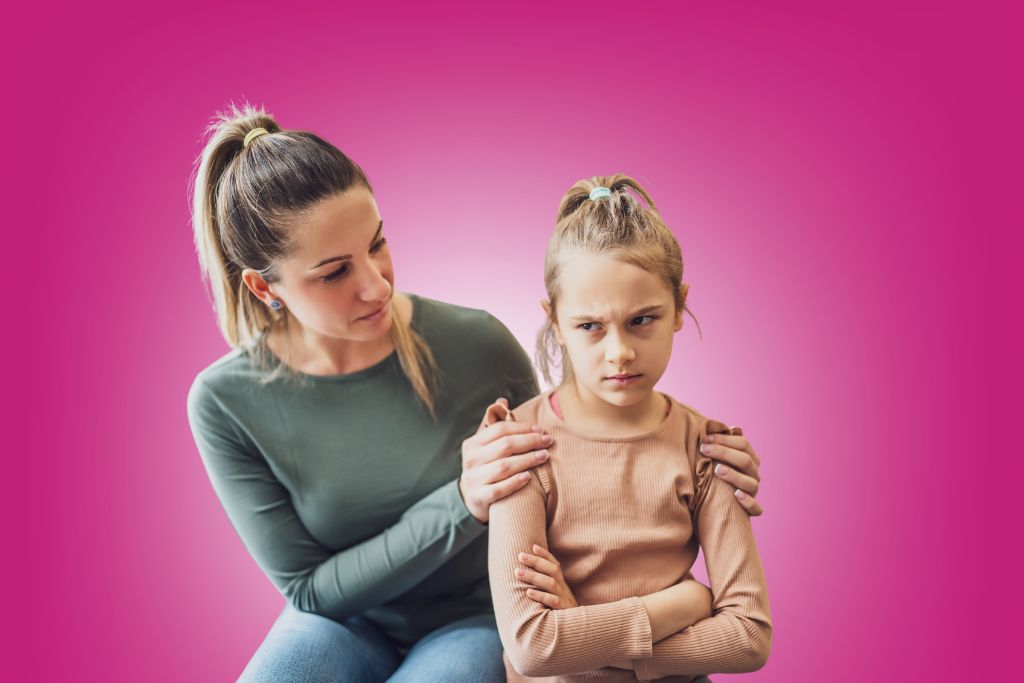
At the grocery store, a young child begins crying uncontrollably.
Instead of scolding or rescuing, the parent:
The child gradually settles.
That's the power of co-regulation.
When behaviors repeat, it's time to become a behavior detective.
Instead of reacting to each incident individually, start looking for patterns.
Track:
Patterns reveal information.
And information helps guide effective support.
Prime transitions before they happen.
Instead of:
Try:
Children respond much better when they feel involved rather than controlled.
This is one of the most effective regulation techniques for kids.
You don't have to figure this out alone.
Become a Dysregulation Insider VIP and get your FREE Regulation Rescue Kit: How to Stay Calm When Your Child Pushes Your Buttons and Stop Oppositional Behaviors.
Head to www.drroseann.com/newsletter and start your calm parenting journey today.
One of the biggest mistakes parents make is waiting until a child is already dysregulated.
The brain learns regulation best during calm moments.
That's when we build skills.
Helpful daily practices include:
Try:
Simple exercises include:
Children benefit from:
Predictable routines help create safety.
Examples include:
These experiences strengthen self-regulation skills for children over time.
Children learn regulation from regulated adults.
When you're calm:
This doesn't mean being perfect.
It means being intentional.
One of the most powerful truths in your child needs help with behavior is this:
Your calm teaches their calm.
When you model:
Your child learns those same skills.
🗣️ “Whether it’s anxiety, attention issues, or big emotions, there’s a clear path forward.” — Dr. Roseann
When we stop asking:
"What's wrong with my child?"
And start asking:
"What is my child's nervous system trying to tell me?"
Everything changes.
Behavior becomes information.
Connection replaces conflict.
And solutions become much clearer.
If your child needs help with behavior, remember:
There is a path forward, and it starts with calming the brain first.
When your child is struggling, time matters.
You do not need more parenting tricks. You need to understand what is happening in your child’s nervous system. Parents who feel completely stuck finally find relief in The Dysregulated Kid. Read it today.
.png)
If behavior is affecting school, friendships, family life, or daily functioning and isn't improving with your typical parenting approaches, it's time to seek additional support.
Start by viewing behavior through a nervous system lens. Focus on movement, co-regulation, routines, and other regulation techniques for kids that support emotional balance.
Start with your pediatrician, but also consider professionals who understand brain-based behavior, emotional regulation, executive functioning, and nervous system dysregulation.
The best approach depends on the root cause. Therapies that support regulation, such as neurofeedback, CBT, parent-child interventions, and nervous system-focused therapies, are often highly effective.
Children build regulation skills through co-regulation, repetition, predictable routines, movement, sensory supports, and consistent modeling from calm, supportive adults.
Dr. Roseann Capanna-Hodge is a licensed therapist, certified school psychologist, and leading expert in emotional dysregulation in children. With over 30 years of experience, she helps parents understand the root causes of meltdowns, anxiety, ADHD, and challenging behavior through the lens of nervous system regulation. Dr. Roseann teaches practical, science-backed strategies for co-regulation and how to calm a dysregulated child using her Regulation First Parenting™ approach. She is the host of the Dysregulated Kids Podcast and author of The Dysregulated Kid.
Dr. Roseann Capanna-Hodge
Emotional Dysregulation in Children & Nervous System Expert
Regulation First Parenting™ | CALMS Protocol™
Host of the Dysregulated Kids Podcast (Top 1% Globally)
Author of The Dysregulated Kid