Find Your Solution
In 3 minutes, you’ll know where to start ➤
%20.png)





You swore you’d parent differently—so why does your mother’s voice slip out in hard moments? In this episode on how to stop reacting like your parents did, you’ll learn how calming your nervous system breaks generational patterns. With decades of expertise in Regulation First Parenting™, Dr. Roseann Capanna-Hodge guides parents toward lasting emotional change.
You had every intention of doing things differently—yet in heated moments, old patterns take over. If you’re wondering how to stop reacting like your parents did, you’re not alone.
In this episode, we explore how to stop reacting like your parents did. It’s not about willpower—it’s about your nervous system. When you calm it, you can finally break generational cycles for good.
Why Do I React Like My Parents Even When I Swore I Wouldn’t?
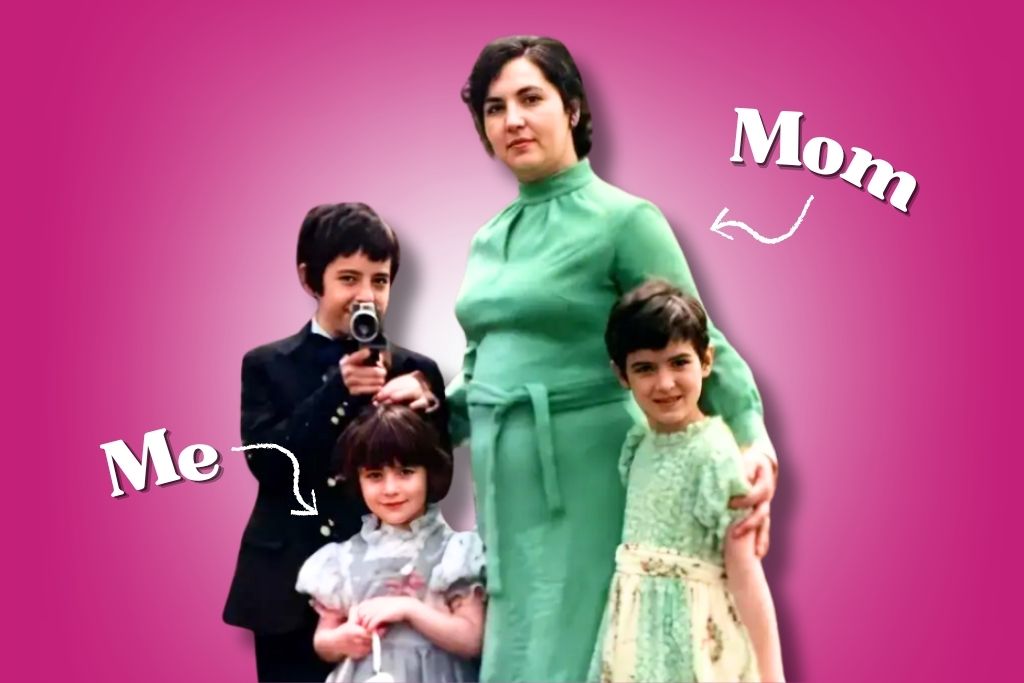
You didn’t just observe your parents’ behavior—you absorbed it. Your nervous system learned what control, safety, and love looked like in your own childhood.
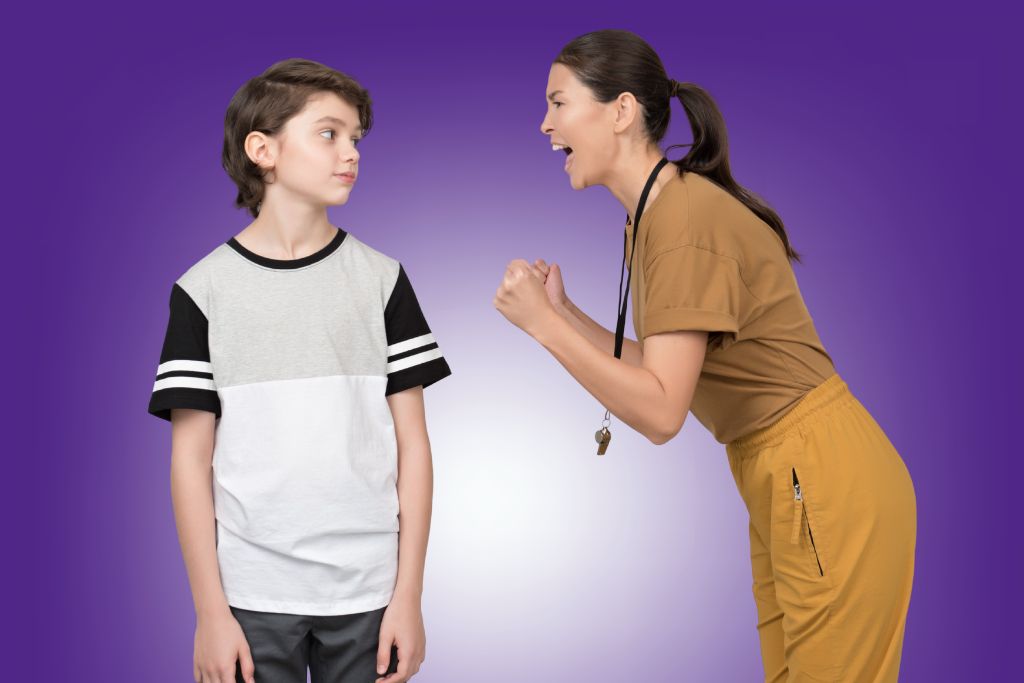
If yelling meant control, your body may react automatically with anger.
If silence meant safety, you may shut down when your child is upset.
These patterns live in the body—not just memory.
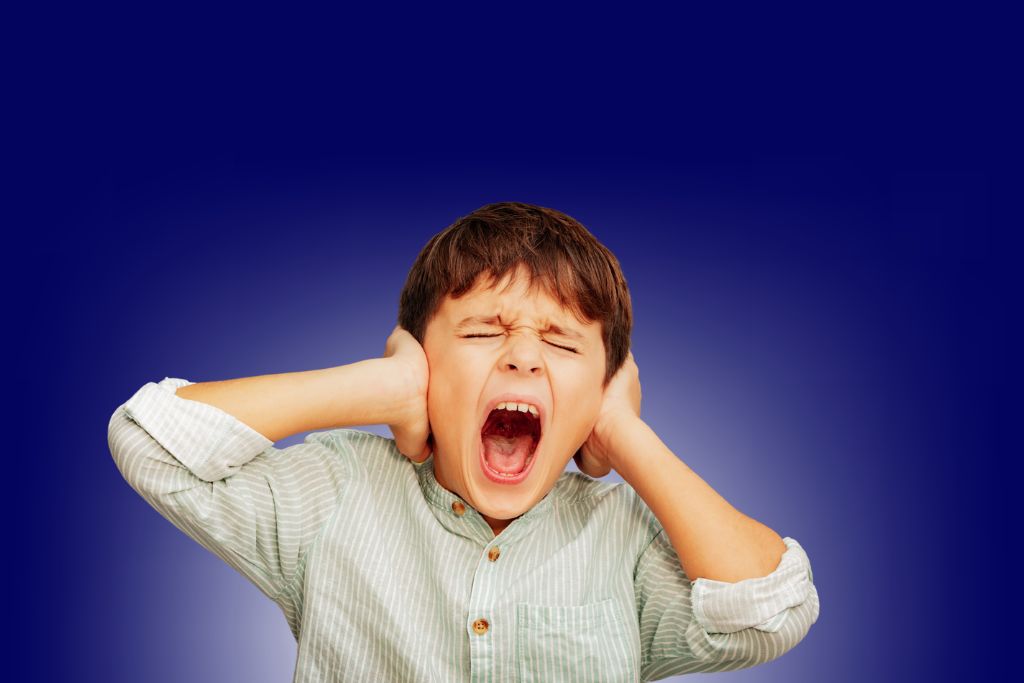
When your child slams a door or talks back, it’s not just about their behavior. It can trigger something from your past. Before your brain can choose a response, your emotional brain fires.
That’s why you hear those words come out of your mouth and think, “I hate that I sound like my mother.”
This is the moment of awareness. And awareness is powerful.
🗣️ “You don’t respond—you replay what happened to you.” — Dr. Roseann
Why Do I Feel So Triggered by My Child’s Behavior?
When your child escalates, your amygdala (your emotional brain) moves faster than your intention. Your prefrontal cortex—the part responsible for calm communication—goes offline.
Suddenly:
It’s not bad parenting—it’s a dysregulated brain.
Your nervous system senses threat, even if the “threat” is just your child refusing homework after school. That heat rising in your chest? That’s old wiring.
And here’s the thing: if chaos was normal in your childhood, calm may feel uncomfortable. That’s why personal growth can feel strange at first. Your body has to learn that calm is safe.
Need tools right now? Quick CALM walks you step-by-step through staying regulated in the heat of the moment.
How Do I Stop Reacting Automatically in the Moment?
Breaking generational patterns isn’t about trying harder. It’s about regulating sooner.
Two things matter most:
When you pause:
Even one breath makes a big difference.
Real-Life Example: A mom named Cecilia swore she’d never scream like her father did. Yet every time her son talked back, she went red-hot. Her reaction felt automatic.
Her practice? One slow exhale before responding.
Not perfection. Just one breath.
Over time:
The cycle didn’t break because she was nicer. It broke because she became regulated. That’s the point.
You don’t have to figure this out alone.
Become a Dysregulation Insider VIP and get your FREE Regulation Rescue Kit:
How to Stay Calm When Your Child Pushes Your Buttons and Stop Oppositional Behaviors.
Head to www.drroseann.com/newsletter and start your calm parenting journey today.
What Actually Breaks Generational Family Patterns?
Insight alone doesn’t change behavior. Guilt doesn’t change it either. Regulation does.
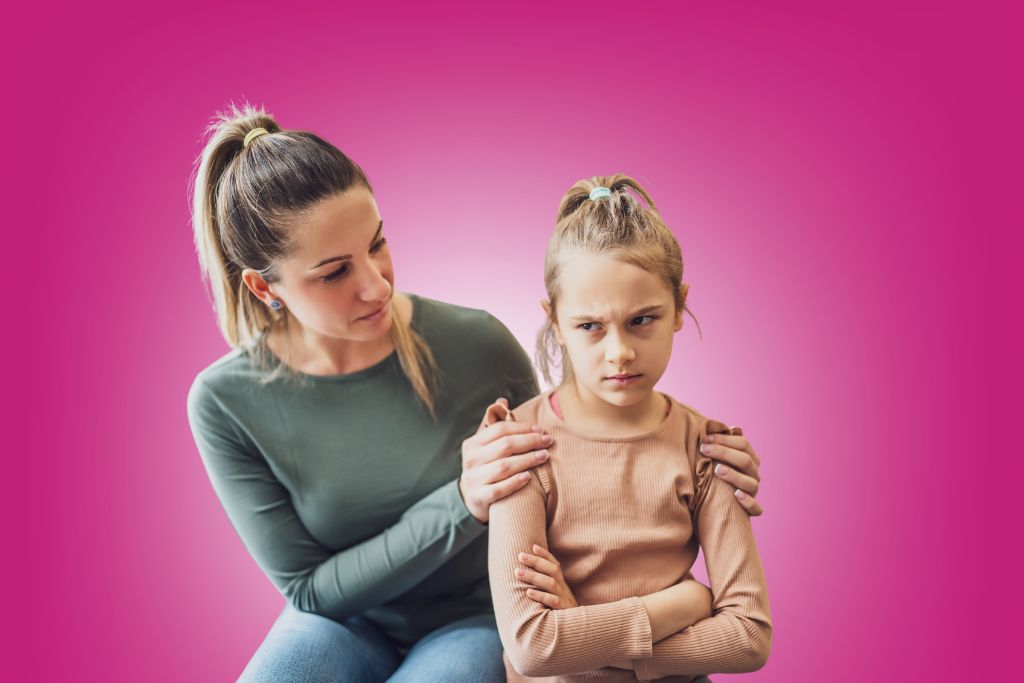
When parents don’t know how to regulate, kids don’t learn how to regulate. Anxiety intensifies. Anger escalates. Shame deepens. Family dynamics repeat.
Breaking the cycle looks like:
Your child doesn’t need a perfect parent. They need a regulated one.
Takeaway & What’s Next
When you regulate first, you don’t just change this moment—you change legacy. You teach your child what calm feels like in their body. You create safety through your nervous system, not just your words.
The Dysregulated Kid is your parenting playbook for calming chaos in today’s world. Let’s calm the brain first. Everything follows.
Join us at the Regulated Child Summit to go deeper into Regulation First Parenting™ strategies that transform behavior at its biological root.
It’s gonna be OK. You can break this pattern—one breath, one moment at a time.
FAQs
Why do I feel so angry when my child talks back?
Your nervous system may be reacting to unresolved triggers from your own childhood. It’s not just about the behavior—it’s about what it represents emotionally.
How can I stay calm when I’m stressed and tired?
Start with awareness. Notice your body. Take deep breaths. Even one regulated pause can shift your brain back online.
Is reacting like my parents my fault?
No. These patterns were wired through experience. But healing is your responsibility—and absolutely possible.
Can I break generational trauma even if I mess up?
Yes. Repairing quickly and regulating more often makes a big difference over time.
Feel like you’ve tried everything and still don’t have answers?
The Solution Matcher helps you find the best starting point based on your child’s symptoms, behaviors, and history.
It’s fast, free, and based on decades of clinical expertise.
Get your personalized plan now at www.drroseann.com/help
Dr. Roseann Capanna-Hodge is a licensed therapist, certified school psychologist, and leading expert in emotional dysregulation in children. With over 30 years of experience, she helps parents understand the root causes of meltdowns, anxiety, ADHD, and challenging behavior through the lens of nervous system regulation. Dr. Roseann teaches practical, science-backed strategies for co-regulation and how to calm a dysregulated child using her Regulation First Parenting™ approach. She is the host of the Dysregulated Kids Podcast and author of The Dysregulated Kid.
Dr. Roseann Capanna-Hodge
Emotional Dysregulation in Children & Nervous System Expert
Regulation First Parenting™ | CALMS Protocol™
Host of the Dysregulated Kids Podcast (Top 1% Globally)
Author of The Dysregulated Kid