Find Your Solution
In 3 minutes, you’ll know where to start ➤
%20.png)





Hidden stressors filling your child’s stress cup that trigger meltdowns are often invisible—but they’re the real reason your child explodes. Learn how stress builds in the nervous system and how to calm it before it overflows.
If you’ve ever wondered why your child melts down “out of nowhere,” you’re not alone. The truth is, hidden stressors filling your child’s stress cup that trigger meltdowns are building long before that moment—and what you’re seeing isn’t misbehavior, it’s a nervous system that’s overwhelmed.
Let’s break this down in a way that actually helps. Because once you understand what’s really happening inside your child’s brain and body, everything changes—and you’ll know exactly how to respond.
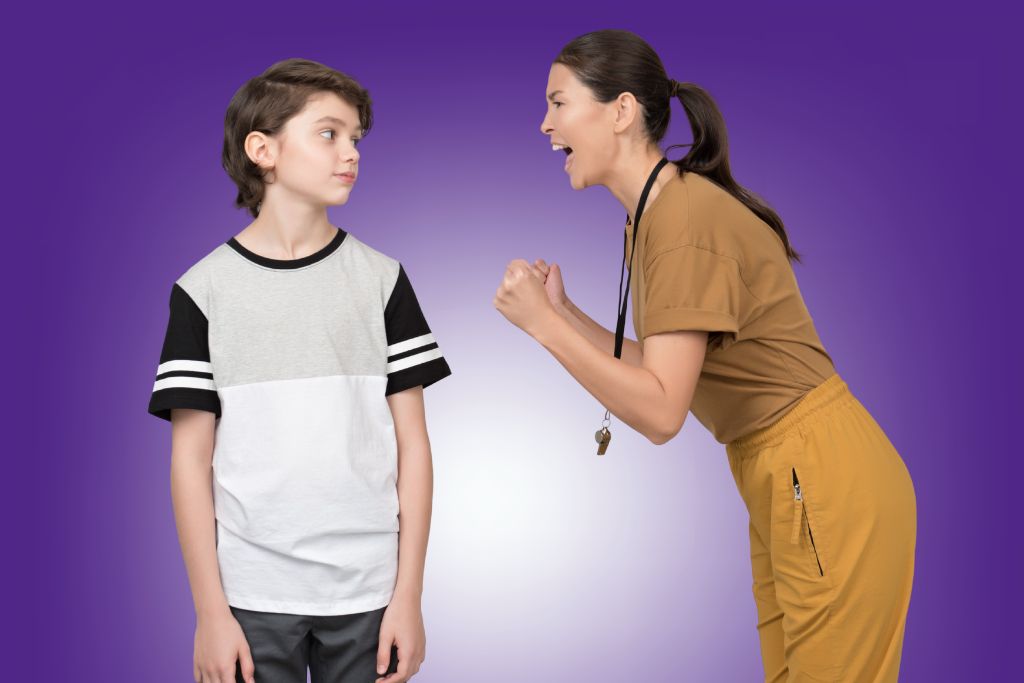
Most parents focus on the moment of the meltdown—the yelling, the tears, the defiance. What does this mean? Your child’s stress response in children has been activated all day long.
And here’s the shift: Meltdowns in children aren’t about the last thing that happened—they’re about everything that happened before it.
Once you start seeing behavior through a nervous system lens, you stop asking, “What’s wrong with my child?” and start asking, “What has their brain been carrying all day?”
Because it’s not actually about the small thing.
When your child explodes over something tiny—like the wrong snack or bedtime—it’s usually the final drop in an already full stress cup.
Their nervous system has run out of capacity.
Key Takeaways:
Real-Life Example:
A parent notices their child melts down every night at bedtime. It seems like bedtime is the problem—but when you look closer, the child has been managing school demands, social stress, and transitions all day. Bedtime is just when the cup spills over.
This is where it gets eye-opening—because most of these stressors are invisible.
Your child may look “fine” on the outside, but their nervous system is working overtime.
Here are some of the biggest hidden contributors to emotional dysregulation in children:
Real-Life Example:
Your child comes home from school and instantly melts down. You think, “What just happened?” But the truth is—they’ve been holding it together all day. Home is where their nervous system finally lets go.
VISUAL: “Hidden Stressors Filling the Stress Cup”
It’s not one big thing—it’s lots of small things stacking.
Your child’s nervous system regulation in children depends on how much stress they’ve already absorbed.
And here’s something most parents don’t realize:
Regulation energy is not endless.
Kids use real brain power to:
When that energy runs out, dysregulation shows up.
Key Takeaways:
Real-Life Example:
A child who can “hold it together” at school falls apart at home. That’s not manipulation—it’s nervous system fatigue.
Want to stay calm when your child pushes every button?
Become a Dysregulation Insider VIP and get the FREE Regulation Rescue Kit—your step-by-step guide to stop oppositional behaviors without yelling or giving in.
Go to www.drroseann.com/newsletter and grab your kit today.
This is where everything shifts. You don’t fix the behavior first.
You calm the brain first. Because if you don’t regulate the nervous system first, nothing else will stick.
How to Calm a Dysregulated Child:
Key Takeaways:
Real-Life Example:
Instead of saying, “Stop yelling and go to bed,” you sit nearby, soften your voice, and say, “That was a big day. Let’s take a breath together.” That’s regulation first.
Because home is where they feel safe enough to release.
This is called the “after-school restraint collapse,” and it’s incredibly common with meltdowns in children.
Your child isn’t saving their worst behavior for you—they’re saving their real feelings for you.
Key Takeaways:
Real-Life Example:
Your child is praised all day at school, then screams the moment they walk in the door. It feels confusing—but it’s actually a sign of trust.
“Meltdowns aren’t about the moment—they’re about the stress that’s been building all day. When the nervous system runs out of capacity, it spills over.” — Dr. Roseann
You don’t just respond to meltdowns—you build capacity before they happen.
This is the heart of nervous system regulation in children.
Practical Ways to Empty the Stress Cup:
Key Takeaways:
Real-Life Example:
Adding 20 minutes of quiet decompression after school can dramatically reduce evening meltdowns.
It’s Not the Moment—It’s the Build-Up
If there’s one thing I want you to take away, it’s this:
Your child isn’t giving you a hard time—they’re having a hard time.
These hidden stressors filling your child’s stress cup that trigger meltdowns are real, even if you can’t see them. And once you understand that behavior is a stress response—not defiance—you can finally respond in a way that helps.
You don’t need to fix everything overnight.
Just take one step toward regulating first.
Because when you calm the brain first, everything else follows.
Start with co-regulation. Stay calm, connect first, and reduce demands. Your child needs safety and support before they can regain control.
Kids hold it together all day. When they get home, their nervous system finally releases built-up stress—this is called restraint collapse.
Most of the time, it’s dysregulation. Behavior is communication, and your child’s brain is signaling overwhelm—not intentional defiance.
Not sure where to start?
Take the guesswork out of helping your child.
Use our free Solution Matcher to get a personalized plan based on your child’s unique needs—whether it’s ADHD, anxiety, mood issues, or emotional dysregulation.
In just a few minutes, you'll know exactly what support is right for your family.
Start here: www.drroseann.com/help
Dr. Roseann Capanna-Hodge is a licensed therapist, certified school psychologist, and leading expert in emotional dysregulation in children. With over 30 years of experience, she helps parents understand the root causes of meltdowns, anxiety, ADHD, and challenging behavior through the lens of nervous system regulation. Dr. Roseann teaches practical, science-backed strategies for co-regulation and how to calm a dysregulated child using her Regulation First Parenting™ approach. She is the host of the Dysregulated Kids Podcast and author of The Dysregulated Kid.
Dr. Roseann Capanna-Hodge
Emotional Dysregulation in Children & Nervous System Expert
Regulation First Parenting™ | CALMS Protocol™
Host of the Dysregulated Kids Podcast (Top 1% Globally)
Author of The Dysregulated Kid