Find Your Solution
In 3 minutes, you’ll know where to start ➤
%20.png)





The reason why school quietly fills your child’s stress cup—and most adults miss it—
explains why after-school meltdowns happen even after a “good” day. Learn how hidden stress builds, what it means for emotional dysregulation in children, and how to calm a dysregulated child with simple, science-backed steps.
If your child falls apart the moment they get home, you’re not imagining it—and you’re not alone. This episode on why school quietly fills your child’s stress cup is the missing piece that helps you understand why a “good” school day can still end in a meltdown.
What you’re seeing isn’t defiance—it’s a nervous system that has run out of capacity. Let’s calm the brain first and make sense of what’s really going on.
Once you understand this through a nervous system lens, everything changes.
School doesn’t have to be “bad” for it to be overwhelming. Many kids are holding it together all day—following rules, focusing, navigating social situations—and by the time they get home, their stress cup is full. That explosion you see? It’s not sudden. It’s the overflow.
And when you shift from “Why is my child acting like this?” to “What filled their stress cup today?”—you move from frustration to clarity.
Why does my child melt down after school even when nothing went wrong?
This is one of the most common patterns I see with emotional dysregulation in children.
Your child may have had a “great day” on paper. But internally? Their nervous system has been working overtime.
School quietly fills their stress cup with dozens of small demands—attention, transitions, social interactions, sensory input. None of them may seem big on their own, but together, they add up.
Key takeaways:
Real-life example:
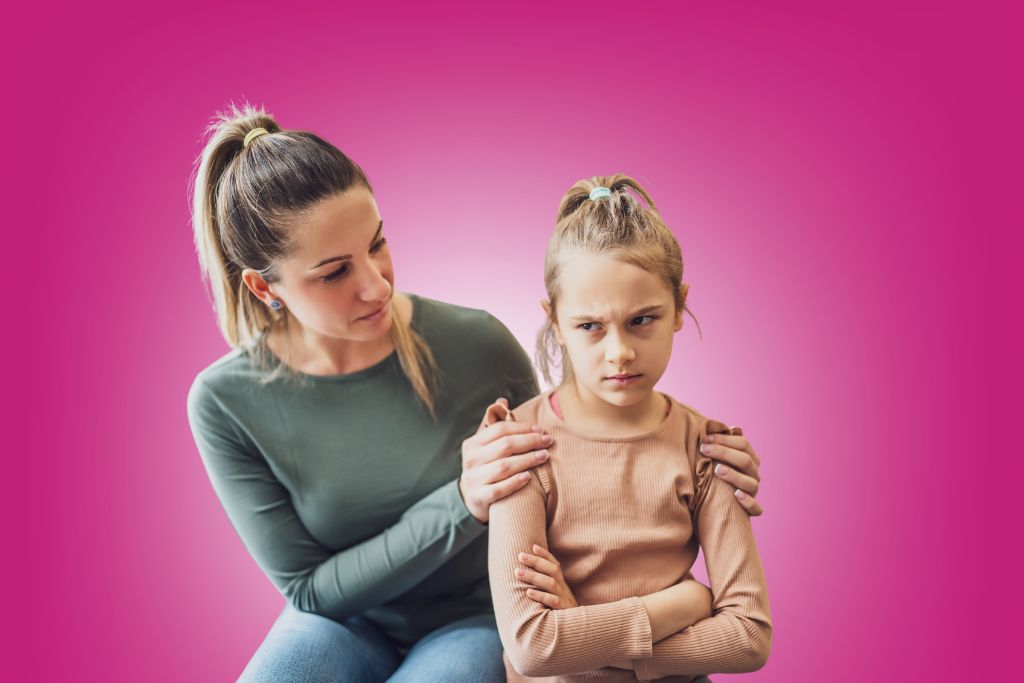
Your child walks in the door, drops their bag, and suddenly refuses homework, yells, or cries over something small like a snack. You’re thinking, “What just happened?”
What happened is their nervous system finally let go of everything it was holding in all day.
Think of your child’s nervous system like a cup.
Every demand—big or small—adds a drop. Over time, those drops build. And if nothing empties that cup during the day, it fills to the top.
Then one tiny thing—like being asked to do homework—causes it to overflow.
That overflow? That’s the meltdown.
Key takeaways:
Real-life example:
A child who stays quiet, follows directions, and “does everything right” at school comes home and explodes over putting their shoes away. It’s not about the shoes—it’s about a full stress cup.
What fills a child’s stress cup during the school day?
Many stressors are invisible—but they’re constant.
Kids are navigating a complex environment that challenges their brain all day long.
Common stress cup fillers:
Real-life example:
A child with executive functioning challenges spends the day trying to keep up with unclear directions, shifting expectations, and fast-paced tasks. By the time they get home, their brain is exhausted—even if no one noticed at school.
VISUAL: “Top 5 Hidden School Stressors That Fill the Stress Cup”
Here’s where most parents get stuck—and it’s not your fault.
When your child comes home dysregulated, your instinct is to correct, question, or push through responsibilities. But if you don’t regulate first, nothing else will stick.
Calm the brain first, everything else follows.
What actually helps:
Real-life example:
Instead of saying, “Go do your homework,” you say, “Hey, I’m so glad you’re home. Let’s grab a snack and take a break.”
That small shift can prevent a meltdown before it starts.
If you’re tired of walking on eggshells or feeling like nothing works…
Get the FREE Regulation Rescue Kit and finally learn what to say and do in the heat of the moment.
Become a Dysregulation Insider VIP at www.drroseann.com/newsletter and take the first step to a calmer home.
This is where the reframe changes everything.
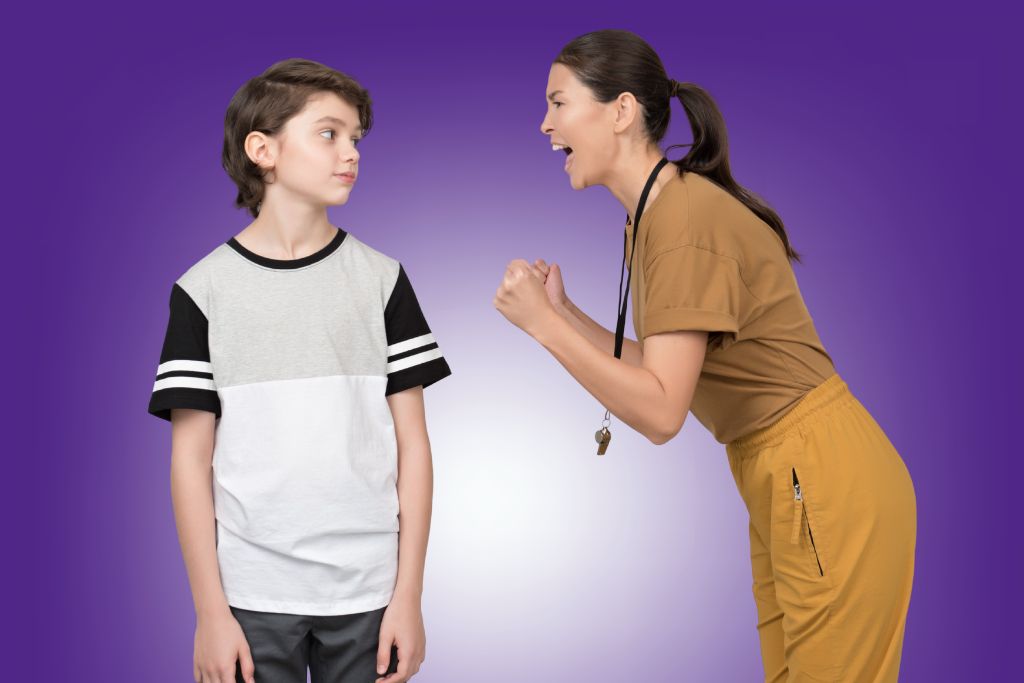
What looks like defiance is often a stress response in children.
Your child isn’t giving you a hard time—they’re having a hard time.
Key takeaways:
Real-life example:
Your child refuses to go to sports practice and has a meltdown. It may look like defiance—but their nervous system may simply not have the capacity left for one more demand.
This is the part nobody talks about—but it’s powerful.
Your child is borrowing your nervous system.
When they’re dysregulated, your calm becomes the anchor.
Co-regulation always comes before self-regulation.
What helps:
Real-life example:
Your child starts yelling. Instead of escalating, you lower your voice, slow your movements, and say, “I’m here. We’ll figure this out.”
That’s how regulation begins.
“After-school meltdowns aren’t about what just happened—they’re about everything your child has been holding in all day.” — Dr. Roseann
It’s Not the Moment—It’s the Build-Up
When you understand why school quietly fills your child’s stress cup, the after-school meltdown stops feeling random—and starts making sense.
This isn’t bad parenting.
This isn’t a “difficult child.”
This is a nervous system that needs support.
And here’s the good news: you can help.
Start with one shift—focus on regulation before expectation. Slow it down. Create space. Connect first.
If you want to take the next step, explore tools and resources like The Dysregulated Kid that help you identify what’s filling your child’s stress cup—so you can finally start emptying it.
Because when you calm the brain, everything else follows.
Start with calming, not correcting. Offer connection, snacks, quiet time, and reduce demands until their nervous system settles.
If reactions seem intense or out of proportion, it’s likely dysregulation. Behavior is communication—not intentional defiance.
Home is where your child feels safest. They release built-up stress where they feel secure.
Create a buffer after school—no demands, calming activities, and co-regulation to help reset their nervous system.
Feel like you’ve tried everything and still don’t have answers?
The Solution Matcher helps you find the best starting point based on your child’s symptoms, behaviors, and history.
It’s fast, free, and based on decades of clinical expertise.
Get your personalized plan now at www.drroseann.com/help
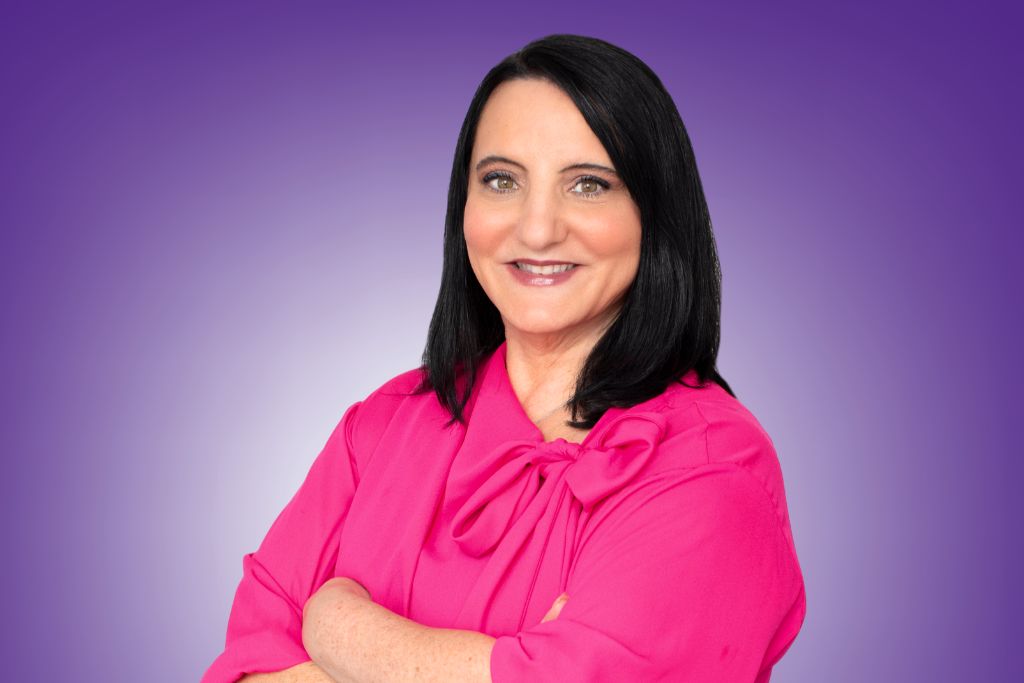
Dr. Roseann Capanna-Hodge is a licensed therapist, certified school psychologist, and leading expert in emotional dysregulation in children. With over 30 years of experience, she helps parents understand the root causes of meltdowns, anxiety, ADHD, and challenging behavior through the lens of nervous system regulation. Dr. Roseann teaches practical, science-backed strategies for co-regulation and how to calm a dysregulated child using her Regulation First Parenting™ approach. She is the host of the Dysregulated Kids Podcast and author of The Dysregulated Kid.
Dr. Roseann Capanna-Hodge
Emotional Dysregulation in Children & Nervous System Expert
Regulation First Parenting™ | CALMS Protocol™
Host of the Dysregulated Kids Podcast (Top 1% Globally)
Author of The Dysregulated Kid