Find Your Solution
In 3 minutes, you’ll know where to start ➤
%20.png)





What if the gut–brain connection is driving emotional dysregulation in your child? Discover how gut health impacts mood, meltdowns, and nervous system regulation in children—and what you can do to help.
If you’ve been trying everything and your child is still melting down, what if the gut–brain connection is driving emotional dysregulation in your child? You’re not imagining things—and you’re not alone. What looks like behavior may actually be a stressed, overwhelmed nervous system… and the gut could be playing a bigger role than you think.
When we calm the brain first, everything changes. And sometimes, calming the brain means looking beyond the brain itself. Let’s talk about what’s really going on—and what you can do about it.
Many parents aren’t told that the body is deeply connected, and emotional dysregulation in children often has biological roots that go beyond the brain. I see this every day with dysregulated kids.
Families are doing all the “right” things—therapy, structure, routines—and still feeling stuck. That’s because nervous system regulation in children doesn’t happen in isolation.
The gut, the brain, the immune system—they’re all talking to each other. And when one is off, everything feels harder.
The gut and brain are constantly communicating through a powerful pathway called the vagus nerve. This is a bi-directional system, meaning messages go both ways—not just from brain to body, but from gut to brain too.
So when the gut is out of balance? The nervous system becomes more reactive.
This isn’t defiance—it’s dysregulation.
What this means for your child:
Real-life example:
Your child skips a snack, gets hungry, and suddenly melts down over homework. It feels like “overreacting,” but their blood sugar drop and gut imbalance are making their nervous system more sensitive.
VISUAL: “Gut-Brain Loop: When the gut is off → stress increases → regulation decreases”
Parents often notice patterns—they just don’t always connect them to the gut.
Here are common clues:
These aren’t random. Behavior is communication.
Real-life example:
A child who gets stomach aches before school may seem anxious—but their gut discomfort is actually triggering their stress response.
When the gut is out of balance, it can increase inflammation—and that directly impacts the nervous system.
More inflammation = more sensitivity.
And when your child’s nervous system is already overloaded, even small stressors can push them into fight, flight, or freeze.
Here’s what’s happening under the surface:
Real-life example:
A child who didn’t sleep well and has digestive discomfort walks into school already overwhelmed. A small correction from a teacher triggers a full shutdown.
Yelling less and staying calm isn’t about being perfect—it’s about having the right tools.
Join the Dysregulation Insider VIP list and get your FREE Regulation Rescue Kit, designed to help you handle oppositional behaviors without losing it.
Download it now at www.drroseann.com/newsletter
Here’s the good news: the same strategies that support the gut also support nervous system regulation in children.
You don’t need to do everything—just take one step toward regulating first.
Start here:
And don’t forget:
Real-life example:
A parent starts focusing on consistent meals, hydration, and calming bedtime routines. Within weeks, their child’s meltdowns become less intense and less frequent.
Should I focus on behavior—or the gut?
This is where so many parents get stuck.
It’s not either/or. It’s both.
When you’re parenting a dysregulated child, you have to take a systems approach.
Because the nervous system doesn’t operate in isolation.
What this looks like:
When you regulate first, everything else starts to fall into place.
Real-life example:
A family works on co-regulation, improves nutrition, and addresses gut health. Suddenly, therapy starts working better—and their child feels more in control.
I get it—it can feel overwhelming.
But you don’t have to figure it all out at once.
Start by looking for patterns. That’s how we decode behavior.
Ask yourself:
This is a pattern—not a one-off behavior.
And once you see it through a nervous system lens, everything changes.
“When the gut is out of balance, the nervous system becomes easier to trigger—and that’s when emotional regulation gets really hard.” — Dr. Roseann
It’s Not Just Behavior—It’s Biology
If your child is struggling, it’s not because you’re doing something wrong. This isn’t bad parenting—it’s a dysregulated brain and body.
And when you start supporting the whole system—the gut, the brain, the nervous system—you create real, lasting change.
You don’t have to do everything perfectly. Take one step toward calming the brain first.
Because when you do, everything else follows.
Emotional dysregulation in children is when a child has difficulty managing their emotions. It’s not misbehavior—it’s a sign their nervous system is overwhelmed.
The gut produces key neurotransmitters like serotonin. When it’s imbalanced, it can impact mood, anxiety, and emotional control.
Start with co-regulation. Stay calm, connect, and reduce demands. Calm the brain first—then problem-solve later.
Most of the time, it’s dysregulation. Behavior is communication, not intentional defiance.
When your child is struggling, time matters.
Don’t wait and wonder—use the Solution Matcher to get clear next steps, based on what’s actually going on with your child’s brain and behavior.
Take the quiz at www.drroseann.com/help
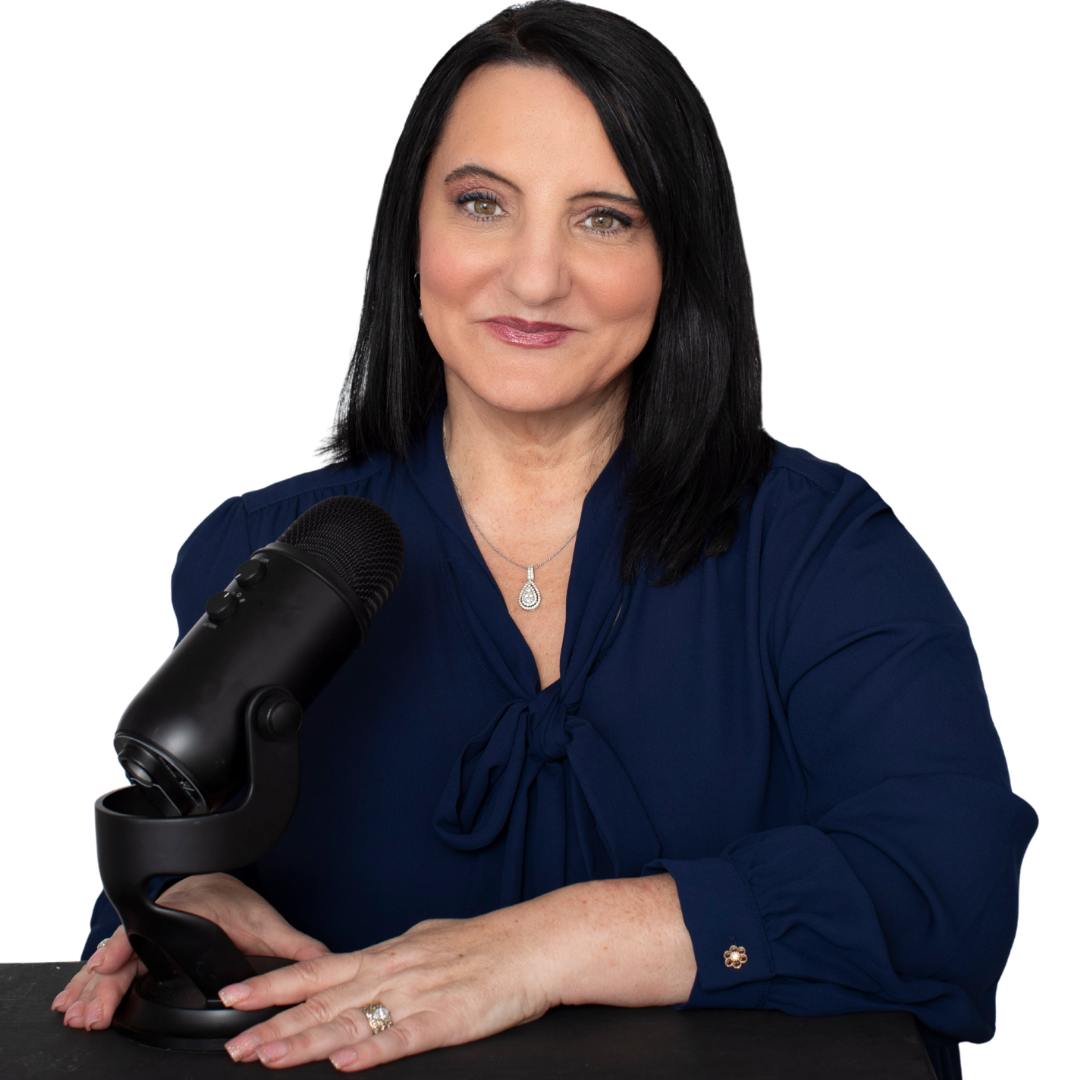
Dr. Roseann Capanna-Hodge is a licensed therapist, certified school psychologist, and leading expert in emotional dysregulation in children. With over 30 years of experience, she helps parents understand the root causes of meltdowns, anxiety, ADHD, and challenging behavior through the lens of nervous system regulation. Dr. Roseann teaches practical, science-backed strategies for co-regulation and how to calm a dysregulated child using her Regulation First Parenting™ approach. She is the host of the Dysregulated Kids Podcast and author of The Dysregulated Kid.
Dr. Roseann Capanna-Hodge
Emotional Dysregulation in Children & Nervous System Expert
Regulation First Parenting™ | CALMS Protocol™
Host of the Dysregulated Kids Podcast (Top 1% Globally)
Author of The Dysregulated Kid