Find Your Solution
In 3 minutes, you’ll know where to start ➤
%20.png)





The hidden signs of PANS/PANDAS every parent misses can explain sudden anxiety, OCD, or behavior changes that don’t make sense. Learn what’s really happening in your child’s brain—and how to support nervous system regulation in children starting today.
Dr. Roseann also shares insights from leading PANS/PANDAS expert Nancy O'Hara and discusses the growing awareness around neuroinflammation, immune dysfunction, and nervous system dysregulation in children. If your child’s symptoms appeared suddenly after illness or infection, Dr. Nancy O’Hara’s new book offers powerful guidance and hope for families searching for answers. If your child’s symptoms appeared suddenly after illness or infection, Dr. Nancy O’Hara’s new book offers powerful guidance and hope for families searching for answers. Learn more here,
If you’ve ever thought, “Something is off with my child—but no one is seeing it,” you’re not alone. The Hidden Signs of PANS/PANDAS Every Parent Misses often show up as emotional dysregulation in children, anxiety, or even behaviors that look like ADHD or autism. And when you don’t have answers, it’s overwhelming.
Here’s the truth: this isn’t bad behavior. It’s a dysregulated brain.
When you understand what’s happening through a nervous system lens, everything starts to make more sense—and more importantly, you can finally take the right next steps. Let’s walk through what might really be going on.
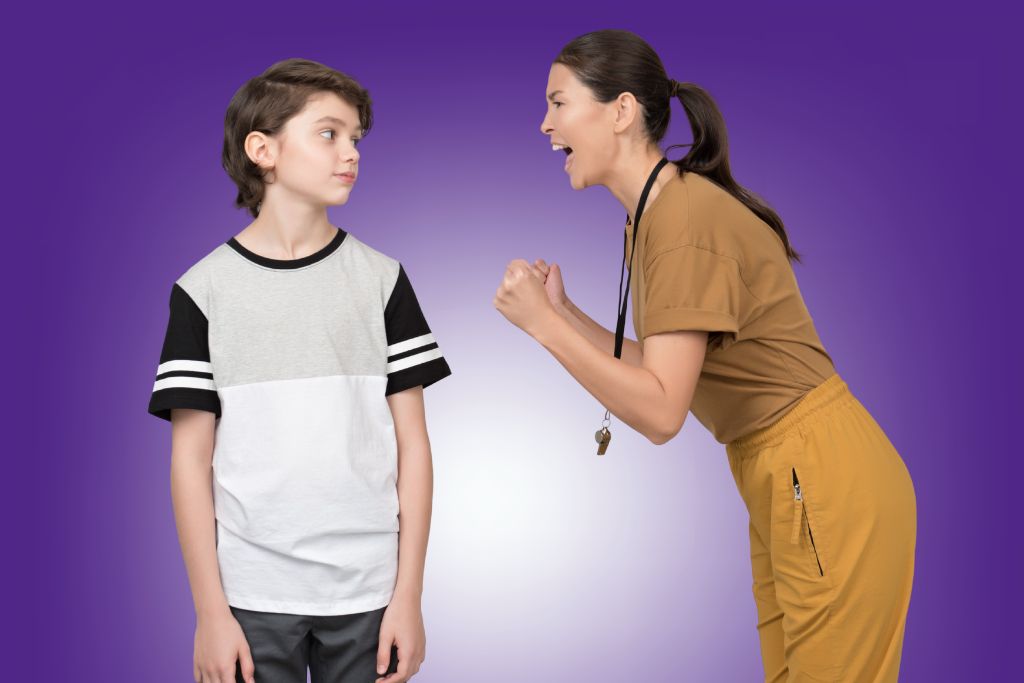
When symptoms are missed or misunderstood, kids are often labeled—anxious, defiant, ADHD, or even autistic—without anyone asking why the change happened so suddenly.
That means the root cause goes unaddressed, and your child stays stuck in a cycle of emotional dysregulation in children that no amount of traditional strategies can fix. And as a parent, you’re left trying everything… without seeing real progress.
But when you recognize that this is about the nervous system and underlying inflammation, not just behavior, everything shifts. You stop chasing symptoms and start supporting the brain. That’s when true healing begins—and why understanding the hidden signs isn’t just helpful, it’s essential.
PANS/PANDAS doesn’t always look obvious. In fact, it often mimics other diagnoses.
What’s happening underneath is an immune response that creates inflammation in the brain—especially in areas that control emotions, behavior, and thinking. That’s why kids can suddenly develop anxiety, OCD, or extreme emotional reactions.
This is why I always say: behavior is communication.
What to look for:
Real-life example:
Your child was doing fine… and then suddenly, they can’t separate from you at school, refuse foods they used to love, or have explosive meltdowns over small things. It feels like it happened overnight.
That abrupt shift? That’s a clue.
Some of the most important signs aren’t behavioral—they’re physical.
And this is where many parents (and even professionals) miss it.
Hidden signs to watch for:
These symptoms point to something deeper than typical emotional struggles—they signal nervous system dysregulation in children tied to inflammation.
Real-life example:
A child starts waking multiple times a night and becomes increasingly anxious during the day. Parents focus on the anxiety—but the sleep disruption is actually a key clue to what’s driving it.
You don’t have to figure this out alone.
Become a Dysregulation Insider VIP and get your FREE Regulation Rescue Kit:
How to Stay Calm When Your Child Pushes Your Buttons and Stop Oppositional Behaviors.
Head to www.drroseann.com/newsletter and start your calm parenting journey today.
This is one of the hardest parts.
You know something is wrong—but tests come back normal.
That’s because PANS/PANDAS is primarily a clinical diagnosis, not something that always shows up clearly in lab work. Some kids don’t mount a typical immune response, so traditional tests miss it.
And that leads to dismissal.
But let me be clear:
You are not imagining this.
What this means for you:
Real-life example:
A parent visits multiple providers and is told it’s “just anxiety.” But when they step back, they see a pattern: every illness leads to worsening behavior. That pattern is the key.
This is where parents often feel stuck.
If the root cause is inflammation or infection, does that mean nothing will help right now?
Not at all.
Even when there’s a medical component, you still have to regulate the nervous system first.
Because when a child is dysregulated, their brain is in survival mode—and no strategy will stick.
Start here:
Real-life example:
Your child is melting down over something small. Instead of correcting, you sit beside them, lower your voice, and help them feel safe. That shift alone can de-escalate the nervous system.
VISUAL: “How to Calm a Dysregulated Child (Start Here)”
This is the part nobody talks about enough.
When your child is struggling, your nervous system is affected too. And if you’re dysregulated, your child feels it.
This isn’t about being perfect—it’s about being aware.
Why it matters:
Small shifts that matter:
Real-life example:
You’re exhausted and your child is spiraling. Instead of reacting, you step away for 30 seconds, regulate yourself, and come back calmer. That moment changes the entire interaction.
Start simple. You don’t need to solve everything today.
This is a journey—not a quick fix.
Your next steps:
Real-life example:
A parent creates a timeline and realizes symptoms spike after illnesses. That insight leads them to the right provider—and finally, answers.
“When we calm the brain, we open the door for healing and progress. There’s always a way forward.” — Dr. Roseann
The Bottom Line: There Is a Way Forward
If you’re parenting a dysregulated child and something doesn’t add up, trust that instinct. The hidden signs of PANS/PANDAS every parent misses are often subtle—but once you see them, everything shifts.
Remember:
And most importantly—you are not alone in this.
There is hope. There are answers. And there are steps you can take today. If you’re ready to move forward with clarity and confidence, The Dysregulated Kid will walk you through exactly how to understand your child’s behavior through a nervous system lens—and what to do next, step by step.
Start with co-regulation. Stay calm, reduce demands, and focus on connection before correction.
Most of the time, it’s dysregulation. Behavior is communication—not intentional misbehavior.
Yes, with proper support and treatment, many children improve significantly over time.
Start by tracking symptoms and patterns, and focus on calming the nervous system first.
Every child’s journey is different. That’s why cookie-cutter solutions don’t work.
Take the free Solution Matcher Quiz and get a customized path to support your child’s emotional and behavioral needs—no guessing, no fluff.
Start today at www.drroseann.com/help
Dr. Roseann Capanna-Hodge is a licensed therapist, certified school psychologist, and leading expert in emotional dysregulation in children. With over 30 years of experience, she helps parents understand the root causes of meltdowns, anxiety, ADHD, and challenging behavior through the lens of nervous system regulation. Dr. Roseann teaches practical, science-backed strategies for co-regulation and how to calm a dysregulated child using her Regulation First Parenting™ approach. She is the host of the Dysregulated Kids Podcast and author of The Dysregulated Kid.
Dr. Roseann Capanna-Hodge
Emotional Dysregulation in Children & Nervous System Expert
Regulation First Parenting™ | CALMS Protocol™
Host of the Dysregulated Kids Podcast (Top 1% Globally)
Author of The Dysregulated Kid