Find Your Solution
In 3 minutes, you’ll know where to start ➤
%20.png)





The emotional side of ADHD and neurodivergence is often missed—but it’s what’s driving your child’s shutdowns, anger, or lack of motivation. Learn how constant correction impacts the brain and what actually helps you rebuild confidence and calm.
If you’re seeing the emotional side of ADHD and neurodivergence show up as shutdowns, frustration, or low confidence, you’re not imagining it—and you’re not alone. What looks like “not trying” is often a nervous system overwhelmed by constant correction.
Let’s talk about what’s really happening and how to help your child. This isn’t about laziness or defiance. It’s about what repeated correction does to a child’s brain—and how we can shift that pattern starting today.
Parents come to me all the time saying, “My child just isn’t motivated,” or “Why do they give up so easily?” And I get it—it’s heartbreaking to watch. But once you understand this through a nervous system lens, everything changes.
When a child starts believing they’re “not capable,” it shapes their identity, their willingness to try, and their future confidence. If we don’t shift this pattern early, that quiet self-doubt can follow them into adolescence and adulthood.
The good news? When you change the nervous system experience, you can change that story.
Kids with ADHD and other neurodivergent traits hear more correction than encouragement—sometimes thousands more negative messages than their peers.
Over time, their brain starts forming a story: I’m the problem.
This is how emotional dysregulation in children takes root. The nervous system begins to associate effort with failure—and protects itself by shutting down, avoiding, or pushing back.
What’s really happening:
Real-life example:
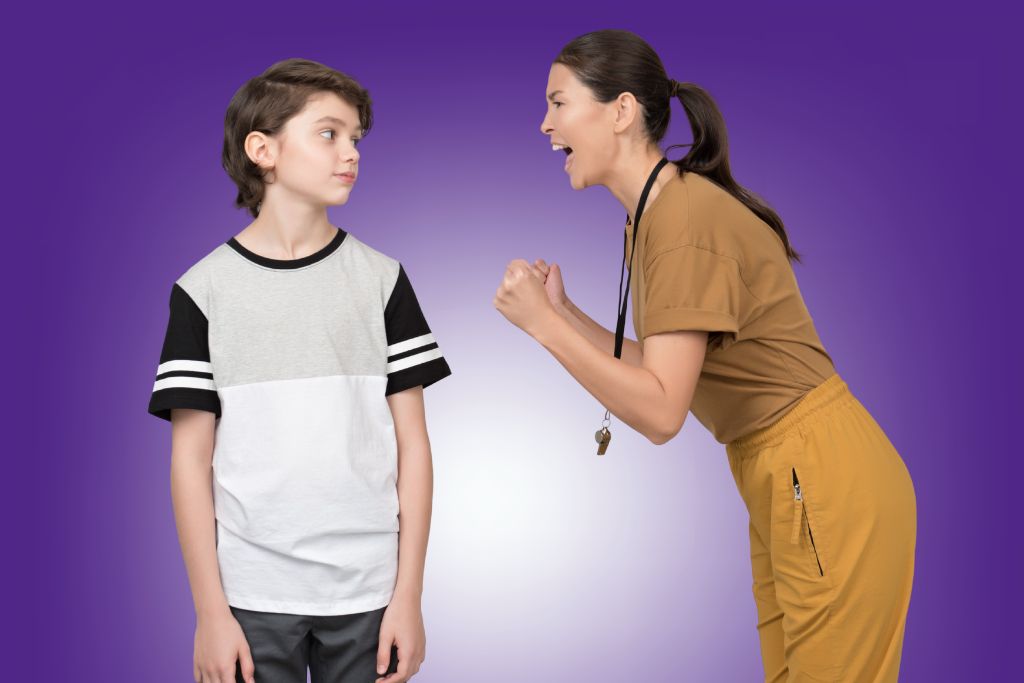
Your child forgets homework again. You remind them—again. They sigh, shut down, or snap back. It feels like defiance, but their brain is saying, “Why try? I always mess this up anyway.”
This isn’t misbehavior—it’s a stress response.
When correction outweighs connection, the nervous system stays in a stress state—what we call sympathetic dominance (fight, flight, or freeze).
And here’s the truth: you can’t learn or grow in that state.
That’s why nervous system regulation in children has to come first. Always.
Signs your child’s nervous system is overwhelmed:
Real-life example:
At dinner, your child interrupts repeatedly. You correct them multiple times. They escalate. It feels disrespectful—but their nervous system is already overloaded, and correction pushes them further.
Calm the brain first. Everything else follows.
This is where ADHD and emotional dysregulation often get misunderstood.
When a child experiences repeated correction, they can develop something called learned helplessness. The brain literally expects failure—so it stops trying.
It’s not that they don’t care. It’s that trying feels unsafe.
What this can look like:
Real-life example:
You ask your child to start homework. They say, “I don’t know how,” even though they’ve done it before. That’s not manipulation—that’s a brain protecting itself from more perceived failure.
Behavior is communication. Always.
You don’t have to figure this out alone.
Become a Dysregulation Insider VIP and get your FREE Regulation Rescue Kit:
How to Stay Calm When Your Child Pushes Your Buttons and Stop Oppositional Behaviors.
Head to www.drroseann.com/newsletter and start your calm parenting journey today.
This is the shift: connection before correction.
When you’re parenting a dysregulated child, your job isn’t to fix the behavior first—it’s to support the nervous system.
That’s where the CALMS approach comes in.
Start with these micro-shifts:
Real-life example:
Instead of saying, “Why didn’t you finish this?” try:
“Hey, let’s figure this out together. What’s the first step?”
That one shift changes everything.
Kids who are constantly corrected start believing they can’t succeed. So we have to actively rebuild that belief.
Not with empty praise—but with real, specific reinforcement.
What to focus on:
Real-life example:
Your child struggles through one math problem. Instead of correcting the mistakes first, say:
“Wow, you stuck with that. That took effort.”
That’s how you rebuild a child’s identity.
If you feel stuck in a cycle where everything turns into a battle—you’re not alone. I see this every day with dysregulated kids.
This is the co-dysregulation cycle:
You correct → child escalates → you react → child shuts down or pushes back → repeat.
The way out? Regulation first.
Break the cycle by:
Real-life example:
Instead of correcting every interruption, choose one moment to guide—and let the rest go. That alone reduces nervous system overload.
Small changes. Big impact.
“Your child isn’t giving you a hard time—they’re having a hard time. And when we stop correcting and start regulating, everything changes.” — Dr. Roseann
This Isn’t About Behavior—It’s About the Brain
If your child is shutting down, avoiding, or acting out, it’s not because they don’t care. It’s because their nervous system has learned to expect failure and protect itself from shame.
And you can change that.
When you shift from correction to connection, from pressure to regulation, you give your child something powerful: safety. And from that place, confidence grows.
You’re not failing—your child’s nervous system just needs support. And it’s gonna be OK.
If you’re ready to take the next step, check out my book The Dysregulated Kid to help you exactly how to shift from chaos to calm using brain-based strategies that actually work.
Start with co-regulation. Stay calm, connect first, and reduce correction. Your child learns regulation through your nervous system.
Most of the time, it’s dysregulation. Behavior that looks like defiance is often a nervous system overwhelmed and trying to cope.
Repeated correction can lead to learned helplessness. The brain expects failure, so it avoids trying to protect itself.
Yes. With consistent support, reinforcement of effort, and nervous system regulation, kids can rebuild confidence—even after years of struggle.
Every child’s journey is different. That’s why cookie-cutter solutions don’t work.
Take the free Solution Matcher Quiz and get a customized path to support your child’s emotional and behavioral needs—no guessing, no fluff.
Start today at www.drroseann.com/help
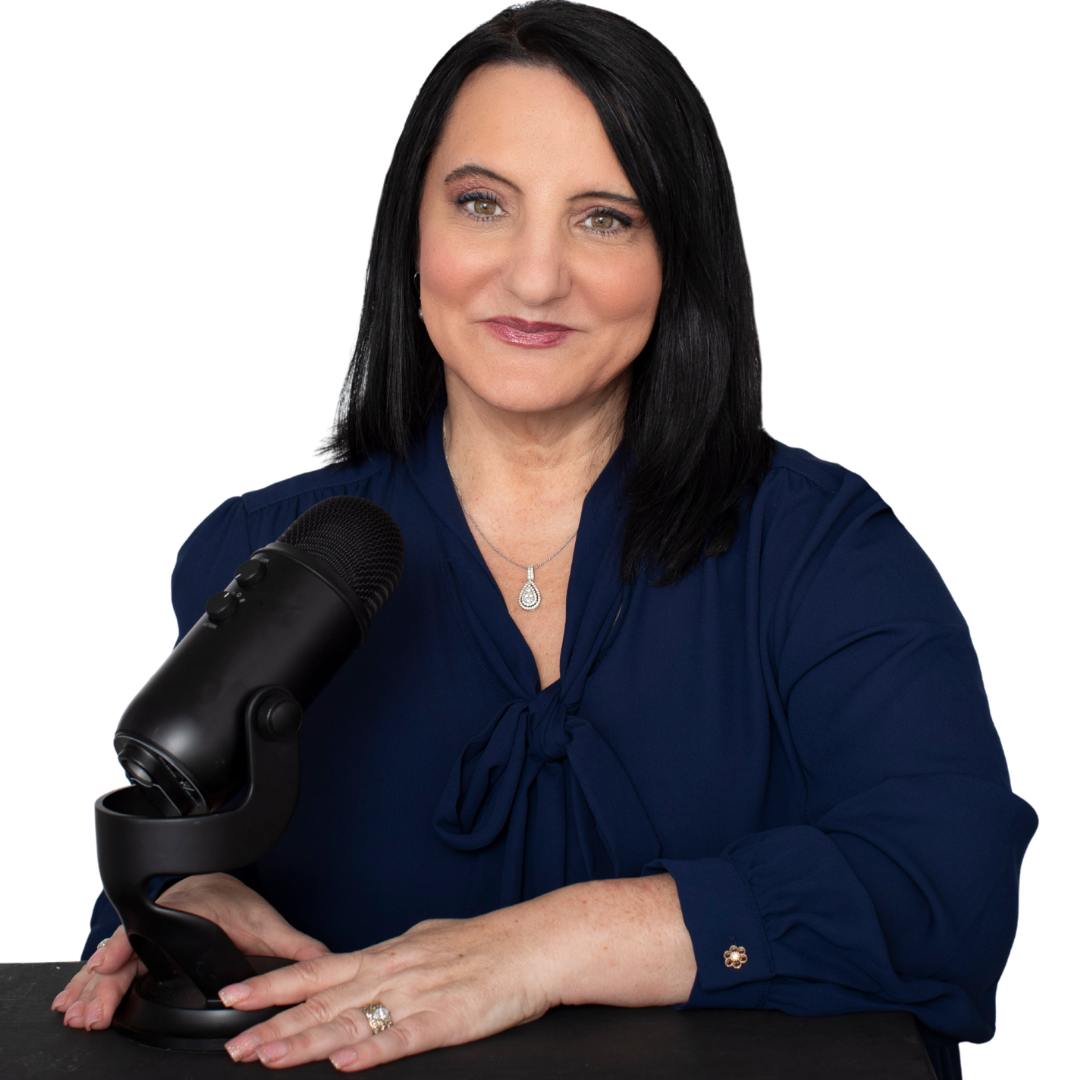
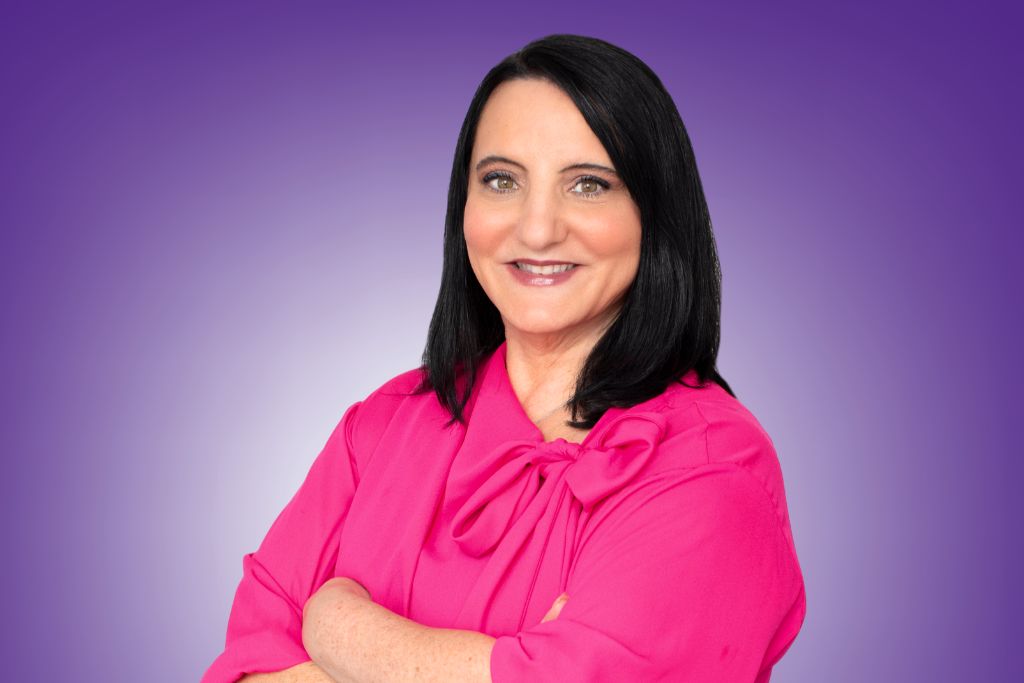
Dr. Roseann Capanna-Hodge is a licensed therapist, certified school psychologist, and leading expert in emotional dysregulation in children. With over 30 years of experience, she helps parents understand the root causes of meltdowns, anxiety, ADHD, and challenging behavior through the lens of nervous system regulation. Dr. Roseann teaches practical, science-backed strategies for co-regulation and how to calm a dysregulated child using her Regulation First Parenting™ approach. She is the host of the Dysregulated Kids Podcast and author of The Dysregulated Kid.
Dr. Roseann Capanna-Hodge
Emotional Dysregulation in Children & Nervous System Expert
Regulation First Parenting™ | CALMS Protocol™
Host of the Dysregulated Kids Podcast (Top 1% Globally)
Author of The Dysregulated Kid