Find Your Solution
In 3 minutes, you’ll know where to start ➤
%20.png)





Before another diagnosis or pill, pause and see what’s really happening in your dysregulated child’s brain. Meltdowns, anxiety, and focus struggles are signals—not flaws. Dr. Roseann Capanna-Hodge, founder of Regulation First Parenting™, guides parents to calm the brain first and create lasting change.
Parenting a dysregulated child can feel like living in survival mode. You try consequences. You try therapy. Maybe even medication. And still… nothing sticks.
Here’s the truth: behavior is communication. When we understand what’s really happening in your dysregulated child’s brain, everything changes.
Let’s decode it together. In this episode, you’ll learn how brain patterns drive emotional dysregulation—and why we must calm the brain first.
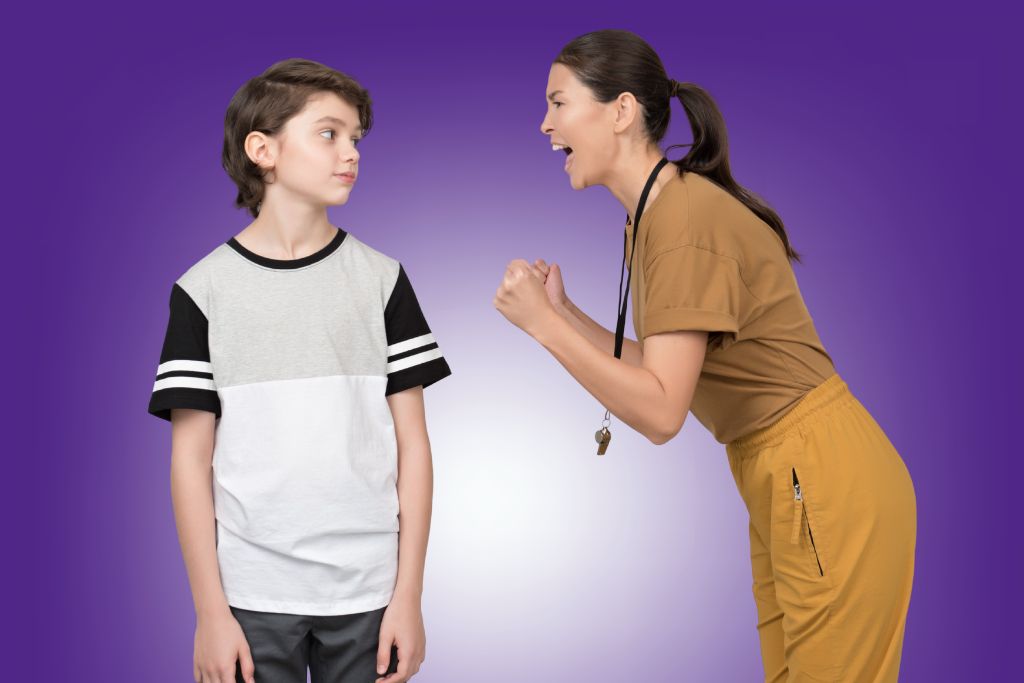
When a child’s nervous system is stuck in fight or flight mode, logic doesn’t land. Their autonomic nervous system is in sympathetic dominance, flooded with stress hormones.
An overstimulated child’s brain may show:
So those temper tantrums? That aggression? The explosive emotional reactions?
It’s not oppositional defiant disorder by default. It’s a dysregulated nervous system.
🗣️ “The brain isn’t choosing chaos—it’s overwhelmed and it can’t power down.” — Dr. Roseann
One mom I worked with thought her son had mood disorders. His brain map showed overactivation. Once we focused on nervous system regulation, his emotional regulation improved—and the “defiance” softened.
Let’s calm the brain first. Everything follows.
Sometimes it’s the opposite pattern: understimulation.
These children often get labeled with attention deficit hyperactivity disorder, anxiety, or even borderline personality disorder traits later in adolescence. But what’s really happening?
An under-activated child’s brain may show:
They aren’t refusing. They don’t lack willpower.
Their child’s nervous system doesn’t have enough “gas.”
Pressure creates shutdown—not effort. This is why consequences alone don’t build self regulation skills.
Regulation skills grow when we support optimal nervous system function first.
When your child is dysregulated, it’s easy to feel helpless.
The Regulation Rescue Kit gives you the scripts and strategies you need to stay grounded and in control.
Become a Dysregulation Insider VIP at www.drroseann.com/newsletter and get your free kit today.
Brain maps measure surface electrical activity in your child’s brain. They show:
This removes the guessing cycle that many parents—and even mental health professionals—get stuck in.
Instead of chasing mental health conditions or stacking labels like autism spectrum disorder, mood disorders, or oppositional defiant disorder, we focus on nervous system health.
And when we regulate first:
You can learn more in The Dysregulated Kid at https://drroseann.com/dysregulatedkid.
Yes—but we must understand the brain state.
Extreme behaviors like self harm, school refusal, or severe OCD often reflect:
Medication isn’t always the first line. A comprehensive approach may include:
You’re not alone. And it’s gonna be OK.
Every regulated moment adds “money in the bank” for your child’s well being. Consistency—not perfection—builds change.
Parenting is hard. When we understand what’s really happening in your dysregulated child’s brain, we stop personalizing behavior and start addressing the root cause.
Regulate first—and watch your child thrive. Quick CALM can help you regulate your own emotions first—because supporting children begins with your nervous system connection.
Chronic stress, childhood trauma, poor diet, infection (like PANS/PANDAS), birth trauma, ongoing stress, or genetic vulnerability can disrupt optimal nervous system function.
Yes. Underactivation often mimics attention deficit hyperactivity disorder symptoms, including zoning out and poor follow-through.
Start with co regulation, predictable routines, gentle adjustments, and calming your own emotions first.
Medication may reduce symptoms but doesn’t always restore optimal nervous system regulation. Regulation skills must be built.
When your child is struggling, time matters.
Don’t wait and wonder—use the Solution Matcher to get clear next steps, based on what’s actually going on with your child’s brain and behavior.
Take the quiz at www.drroseann.com/help
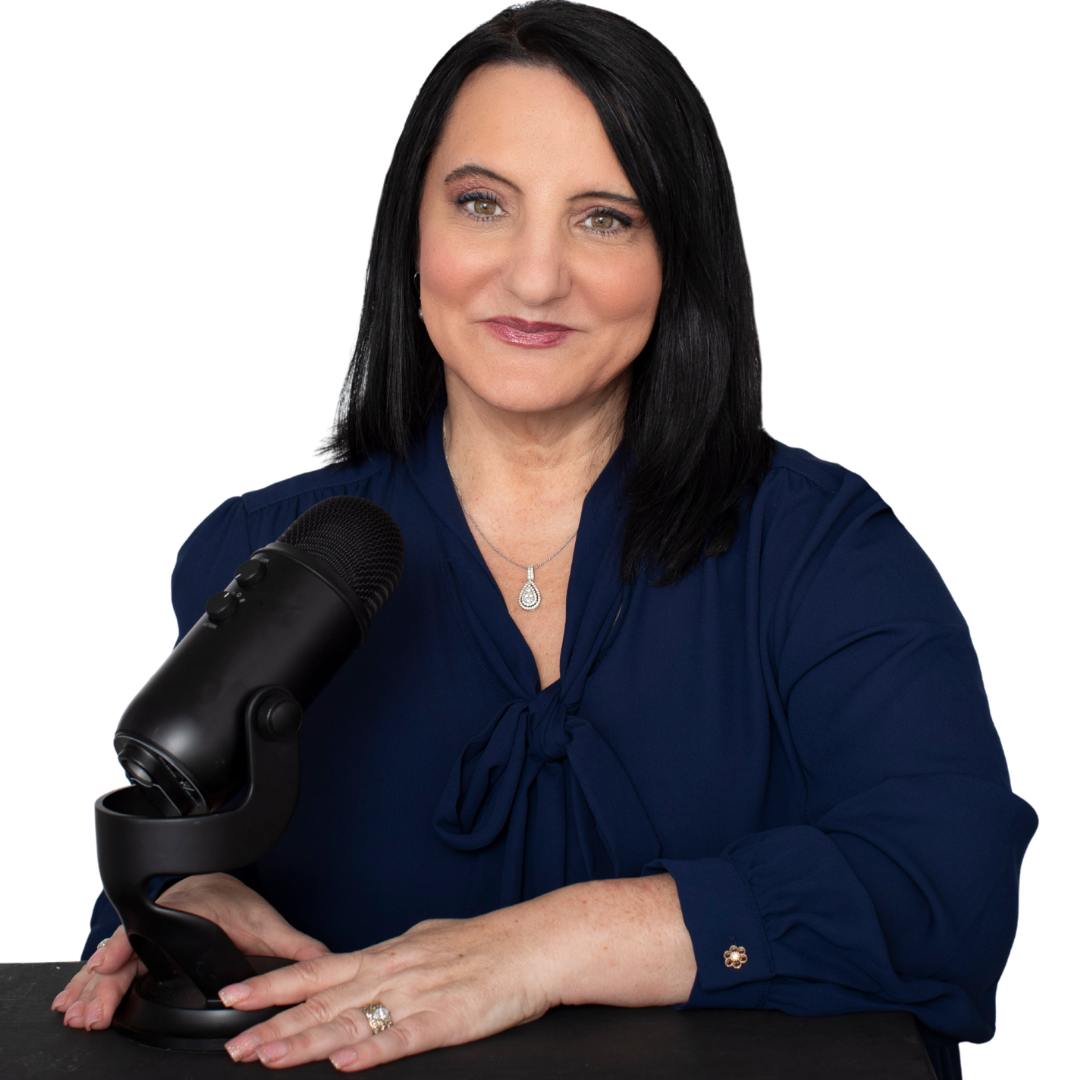
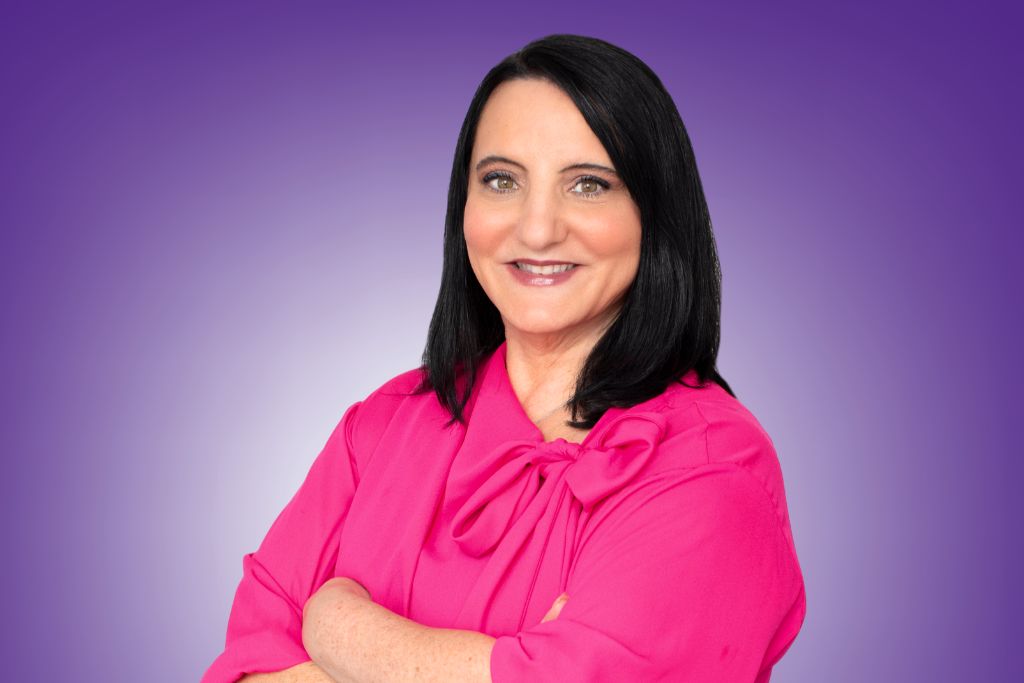
Dr. Roseann Capanna-Hodge is a licensed therapist, certified school psychologist, and leading expert in emotional dysregulation in children. With over 30 years of experience, she helps parents understand the root causes of meltdowns, anxiety, ADHD, and challenging behavior through the lens of nervous system regulation. Dr. Roseann teaches practical, science-backed strategies for co-regulation and how to calm a dysregulated child using her Regulation First Parenting™ approach. She is the host of the Dysregulated Kids Podcast and author of The Dysregulated Kid.
Dr. Roseann Capanna-Hodge
Emotional Dysregulation in Children & Nervous System Expert
Regulation First Parenting™ | CALMS Protocol™
Host of the Dysregulated Kids Podcast (Top 1% Globally)
Author of The Dysregulated Kid