Find Your Solution
In 3 minutes, you’ll know where to start ➤
%20.png)





Nervous system regulation in children explains why anxious kids can’t “just calm down,” even when nothing seems wrong. If your child melts down over small changes, this will help you understand what’s happening in their brain—and what actually helps them regulate.
If you've ever asked, “Why can’t my child just calm down?” during a meltdown over something small, you’re not alone. Nervous system regulation in children is the missing piece most parents are never taught—but it changes everything once you see it.
In this episode, you’ll learn what’s really happening inside your child’s brain during anxiety or meltdowns, why traditional calming strategies often fail, and what actually helps your child return to calm. Most importantly, you’ll learn how to respond in a way that builds safety—not more stress.
What looks like overreaction, panic, or defiance is often a stress response, not misbehavior. And when your child is in that state, logic doesn’t reach them—because their nervous system is in charge, not their thinking brain.
Understanding that changes how you show up in the most powerful way possible. Because once you see the nervous system, you stop reacting to the behavior—and start responding to the need underneath it.
That shift reduces shame, increases connection, and gives your child the safety they need to actually learn how to regulate over time.
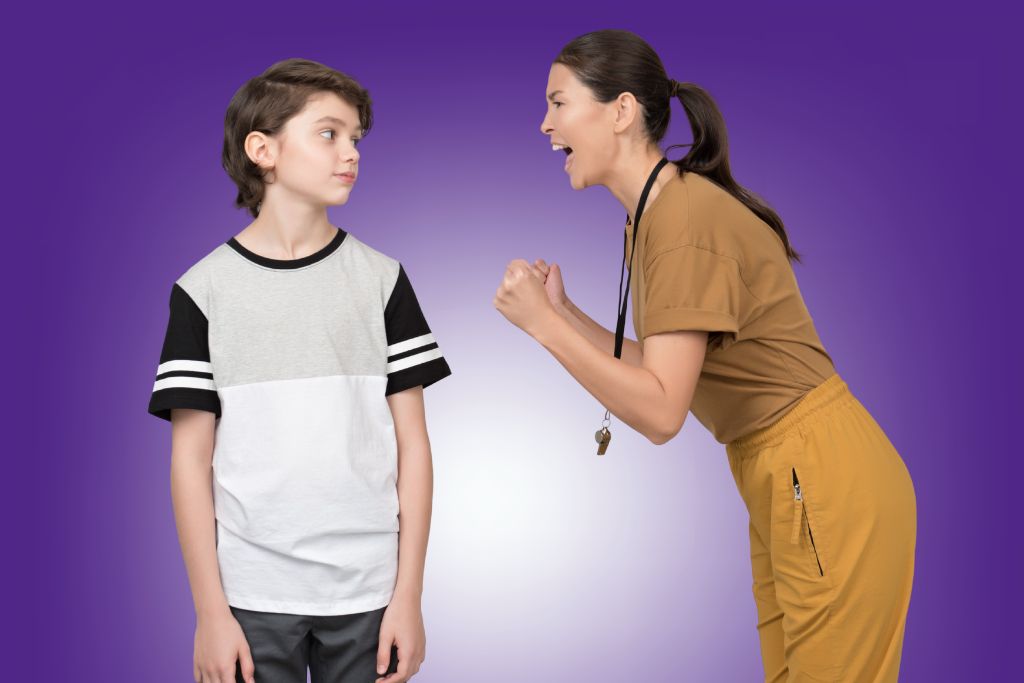
When your child melts down over a test, a change in plans, or a “small” disappointment, it doesn’t mean they’re being dramatic. It means their nervous system is interpreting danger where you don’t see it.
In children with heightened sensitivity, the brain’s alarm system (the amygdala) activates quickly. Once that happens, the body goes into fight, flight, or freeze, and the thinking brain temporarily goes offline.
That’s why your child knows something is fine—but still feels overwhelmed.
What’s happening inside the nervous system:
Real-life example:
Your child wakes up, everything is normal, but suddenly refuses school. They complain of a stomachache, cry, and say, “I can’t go.” Nothing changed externally—but internally, their nervous system is flooded.
Emotional dysregulation in children isn’t about poor behavior—it’s about a nervous system that gets overwhelmed faster than it can recover.
Some children are simply wired with more sensitive stress responses, meaning they notice and react to perceived threats more quickly.
This can be influenced by temperament, sensory sensitivity, ADHD, anxiety, or past stress experiences. But the key point is this: their system is doing its job—it’s just overprotecting.
Common contributors include:
What parents often see:
Real-life example:
A child repeatedly asks if the school pickup time is the same. Even after reassurance, they still panic when the routine shifts slightly. Their brain isn’t being difficult—it’s trying to predict safety.
When your child is dysregulated, it’s easy to feel helpless.
The Regulation Rescue Kit gives you the scripts and strategies you need to stay grounded and in control.
Become a Dysregulation Insider VIP at www.drroseann.com/newsletter and get your free kit today.
This is one of the hardest parenting moments—you explain, reassure, and comfort… but nothing changes.
That’s because calming doesn’t start in the thinking brain—it starts in the body.
When the nervous system is activated, reassurance alone cannot access calm.
Your child isn’t refusing to calm down. Their system simply can’t yet reach calm.
Key truths to remember:
What helps instead:
Real-life example:
Your child is crying before school. Instead of explaining why they’re safe, you sit with them, slow your breathing, and say: “I see you. We’ll get through this together.” Their body begins to settle before their mind understands why.
When your child is escalated, the goal is not to fix the behavior—it’s to regulate the nervous system first.
Trying to correct, reason, or punish in that moment often increases distress. Instead, think: connection before correction.
What actually helps:
VISUAL: “After-school meltdown checklist: What your child needs first”
Real-life example:
After school, your child explodes over a small request. Instead of asking questions or correcting behavior, you sit nearby and say, “Your body feels really overwhelmed right now. I’m here.” The intensity begins to soften because the nervous system feels safe.
Many parents are told anxiety is about thoughts—but anxiety in children is a body-based experience first.
Even when children say, “I know it’s silly,” their body is still responding as if something is wrong. That’s why reassurance doesn’t always help—it’s not reaching the root system.
Once you see anxiety as a nervous system state, everything shifts. You stop trying to “talk them out of it” and start helping them feel safe again.
“Anxious kids aren’t refusing to calm down—their nervous system doesn’t have access to calm yet. We have to regulate first before anything else can work.” — Dr. Roseann
Nervous System Regulation in Children Changes Everything
Once you understand nervous system regulation in children, you stop seeing your child as defiant or overly sensitive. Instead, you begin to see a child whose body is asking for safety.
This shift removes shame—for both you and your child. And it gives you something powerful: a clear path forward.
You don’t have to fix everything in the moment. You just have to start with regulation.
Because when the nervous system calms, everything else becomes possible.
And this is exactly what I teach inside The Dysregulated Kid—how to move from chaos to calm using simple, brain-based steps that actually work.
Start by co-regulating. Stay calm, use a steady voice, validate feelings, and reduce demands. Regulation always comes before teaching or correcting behavior.
Dysregulated behavior often looks like defiance but is actually a nervous system response. If your child seems overwhelmed, reactive, or shut down, they likely need regulation, not punishment.
Small triggers can feel big to a dysregulated nervous system. The brain perceives threat quickly, activating fight, flight, or freeze before logic can step in.
Your calm presence is the fastest regulator. Slow your energy, reduce language, connect first, and help the body feel safe before expecting cooperation.
Tired of not knowing what’s really going on with your child?
The Solution Matcher gives you a personalized recommendation based on your child’s behavior, not just a label.
It’s free, takes just a few minutes, and shows you the best next step.
Go to www.drroseann.com/help
Dr. Roseann Capanna-Hodge is a licensed therapist, certified school psychologist, and leading expert in emotional dysregulation in children. With over 30 years of experience, she helps parents understand the root causes of meltdowns, anxiety, ADHD, and challenging behavior through the lens of nervous system regulation. Dr. Roseann teaches practical, science-backed strategies for co-regulation and how to calm a dysregulated child using her Regulation First Parenting™ approach. She is the host of the Dysregulated Kids Podcast and author of The Dysregulated Kid.
Dr. Roseann Capanna-Hodge
Emotional Dysregulation in Children & Nervous System Expert
Regulation First Parenting™ | CALMS Protocol™
Host of the Dysregulated Kids Podcast (Top 1% Globally)
Author of The Dysregulated Kid