Find Your Solution
In 3 minutes, you’ll know where to start ➤
%20.png)





Struggling to understand your child’s ups and downs? This episode uncovers what’s really driving your dysregulated child’s meltdowns, anxiety, and focus struggles, giving parents clear insight and tools from Dr. Roseann Capanna-Hodge, expert in Regulation First Parenting™ and childhood emotional dysregulation.
Many parents ask, what’s really driving your dysregulated child's meltdowns anxiety and focus struggles? The answer isn’t bad behavior. It’s a stressed nervous system stuck in survival mode.
I unveil The Dysregulated Kid, my parenting playbook rooted in nervous system regulation. After three decades as a mental health professional, I want to emphasize: we must stop chasing separate labels and start calming the child’s nervous system first.
Parents are often told these are separate issues—ADHD, oppositional defiant disorder, anxiety, mood swings. But what if your child’s meltdowns, emotional dysregulation, and focus struggles are signals from the same activated child’s brain?
When stress hormones stay elevated, the nervous system shifts into fight or flight mode. The amygdala goes on high alert, and the prefrontal cortex—the part responsible for impulse control, problem solving, and emotional regulation skills—goes offline.
That’s when you see:
It’s not defiance. It’s a child whose nervous system is overwhelmed.
During childhood meltdowns, stress hormones like cortisol surge. In sympathetic overdrive, your child cannot access coping skills or manage emotions effectively.
Meltdowns happen when the nervous system loses flexibility. The brain gets stuck in survival mode. Over time, ongoing stress creates patterns of chronic stress that won’t resolve without intervention.
Both patterns are nervous system issues—not character flaws.
If you’re not sure whether your child is stuck in an over- or under-stimulated pattern, Quick CALM can help you figure it out fast.
Many children are treated with pressure, punishment, or medication when behavior escalates. But treating overstimulation with discipline increases stress. Treating underactivation with pressure deepens withdrawal.
Stress worsens emotional regulation and emotional resilience. It impacts learning, self regulation, and even long-term mental health.
I want to remind parents:
You can’t teach regulation skills to a child whose brain is in fight or flight mode.
If you’re tired of walking on eggshells or feeling like nothing works…
Get the FREE Regulation Rescue Kit and finally learn what to say and do in the heat of the moment.
Become a Dysregulation Insider VIP at www.drroseann.com/newsletter and take the first step to a calmer home.
How can I help my dysregulated child calm down?
Let’s calm the brain first.
Practical proactive strategies include:
When a meltdown occurs:
Your regulated presence helps your child calm. When you regulate your own nervous system, you help children develop emotional regulation skills.
🗣️ “My child isn’t choosing chaos. Their nervous system is showing me what it needs.” — Dr. Roseann.
Chronic stress doesn’t fix itself. Without early intervention, patterns deepen. Children may later struggle with anxiety, self harm, mood disorders, or ongoing emotional dysregulation.
But here’s the hope: every child’s nervous system can shift toward regulation.
When you understand your child’s behavior through the lens of the nervous system:
When we stop chasing labels and start regulating the nervous system, everything changes. Emotional regulation becomes possible. Children learn coping skills. Families reconnect.
The Dysregulated Kid is a step-by-step playbook to help parents shift from co-dysregulation to co-regulation, decode triggers, understand sensory differences, and build lasting coping skills.
From one parent to another—you’re not alone. And when we calm the brain first, we truly change the world.
When the child’s nervous system is already in high alert, even minor stressors feel threatening. Emotional meltdowns are nervous system responses, not intentional bad behavior.
Not necessarily. Mood swings can reflect emotional dysregulation from chronic stress rather than a standalone diagnosis.
Repeated meltdowns suggest ongoing stress patterns. Focus on nervous system regulation and professional support if needed.
Tired of not knowing what’s really going on with your child?
The Solution Matcher gives you a personalized recommendation based on your child’s behavior, not just a label.
It’s free, takes just a few minutes, and shows you the best next step.
Go to www.drroseann.com/help
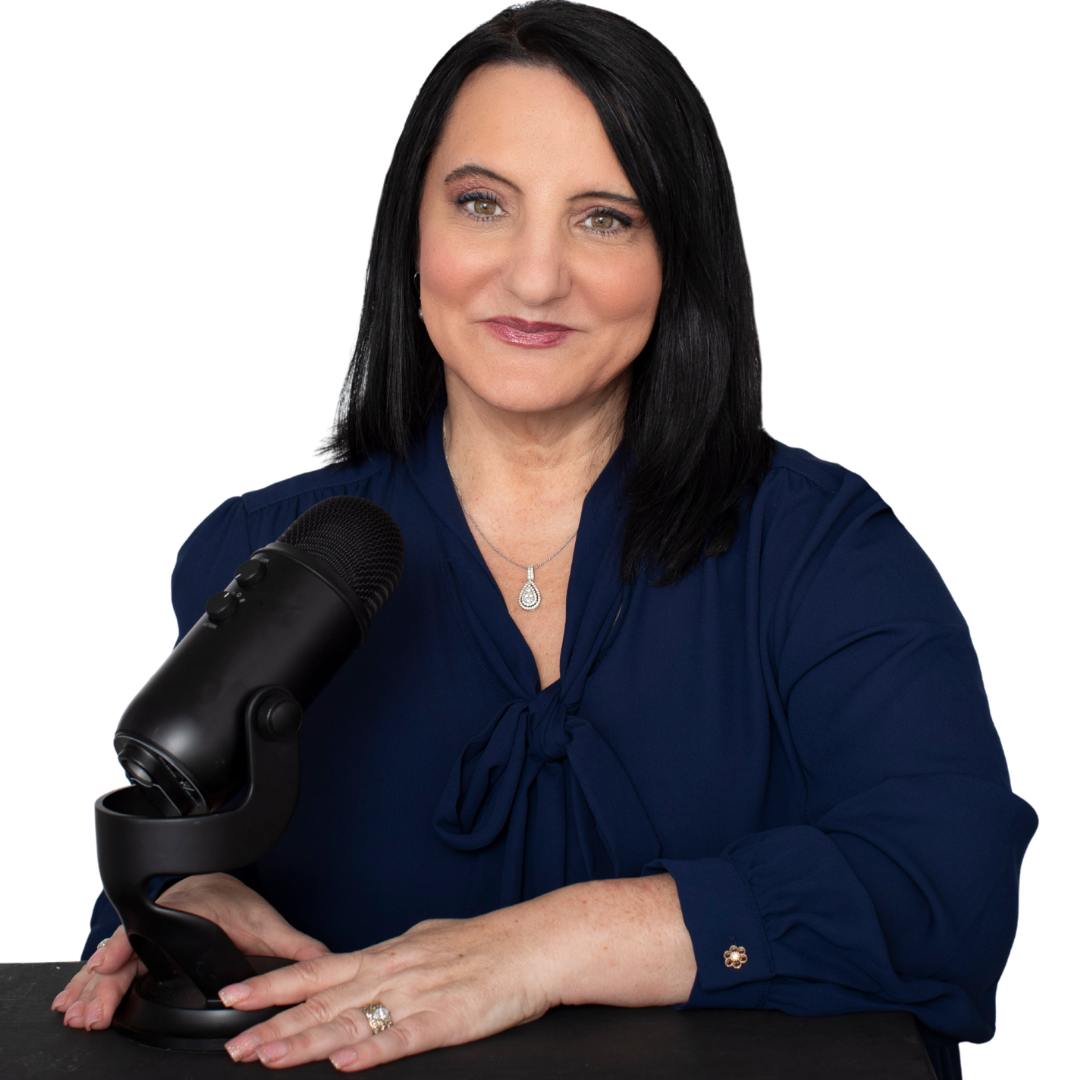
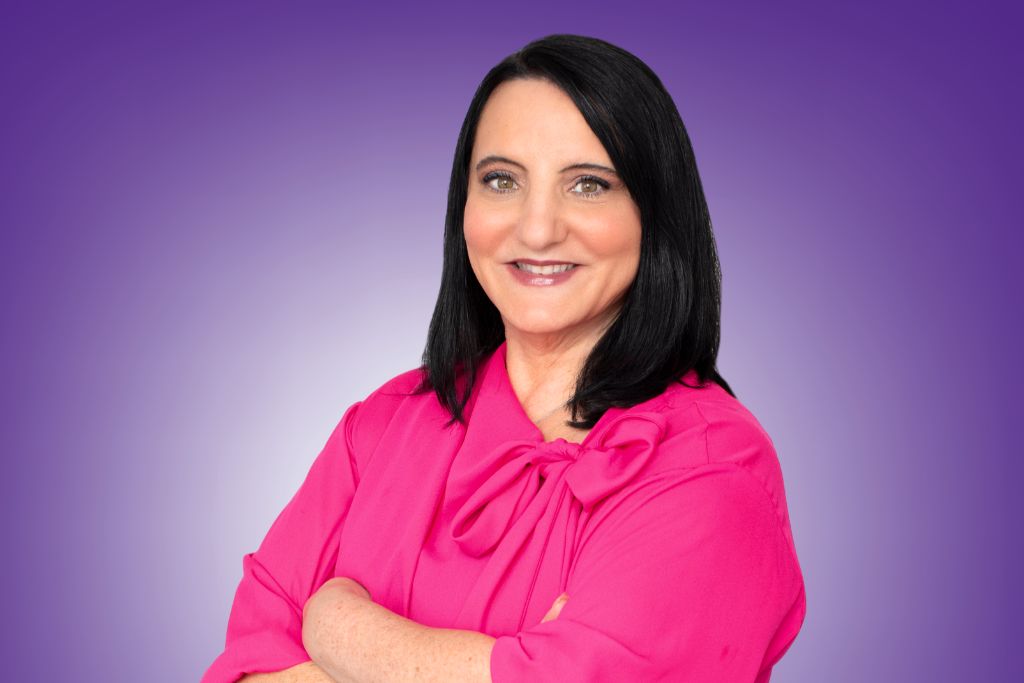
Dr. Roseann Capanna-Hodge is a licensed therapist, certified school psychologist, and leading expert in emotional dysregulation in children. With over 30 years of experience, she helps parents understand the root causes of meltdowns, anxiety, ADHD, and challenging behavior through the lens of nervous system regulation. Dr. Roseann teaches practical, science-backed strategies for co-regulation and how to calm a dysregulated child using her Regulation First Parenting™ approach. She is the host of the Dysregulated Kids Podcast and author of The Dysregulated Kid.
Dr. Roseann Capanna-Hodge
Emotional Dysregulation in Children & Nervous System Expert
Regulation First Parenting™ | CALMS Protocol™
Host of the Dysregulated Kids Podcast (Top 1% Globally)
Author of The Dysregulated Kid