Find Your Solution
In 3 minutes, you’ll know where to start ➤
%20.png)





Estimated Reading Time: 5 minutes
When your child talks back, melts down, or refuses simple requests, it’s easy to take it personally and assume they’re being disrespectful. But you’re not alone. Many parents feel overwhelmed, confused, and exhausted by these daily battles. Understanding nervous system dysregulation can completely change how you view your child's behavior and help you respond in ways that create lasting change.
Today, you’ll learn why behavior is communication, how fight flight freeze in kids drives challenging behaviors, and why calming the brain first is the foundation of Regulation First Parenting™.
Kids don’t choose chaos. When their nervous system is overwhelmed, they shift into fight, flight, freeze, fawn, or simply say, “I don’t know.” These aren’t intentional choices. They’re survival responses.
What this means for parents:
Parent scenario: A child who screamed during homework wasn’t being lazy. He was stuck in a freeze response after a long, overstimulating school day. Once his parents focused on co-regulation, his after-school meltdowns dropped dramatically.
Takeaways:
Transitions and boundaries can feel enormous when a child’s nervous system is overloaded. Even neutral requests can trigger panic or anger because their body senses danger, not instruction.
Common dysregulation triggers:
What helps:
Many episodes of fight flight freeze in kids happen because the nervous system interprets ordinary demands as threats.
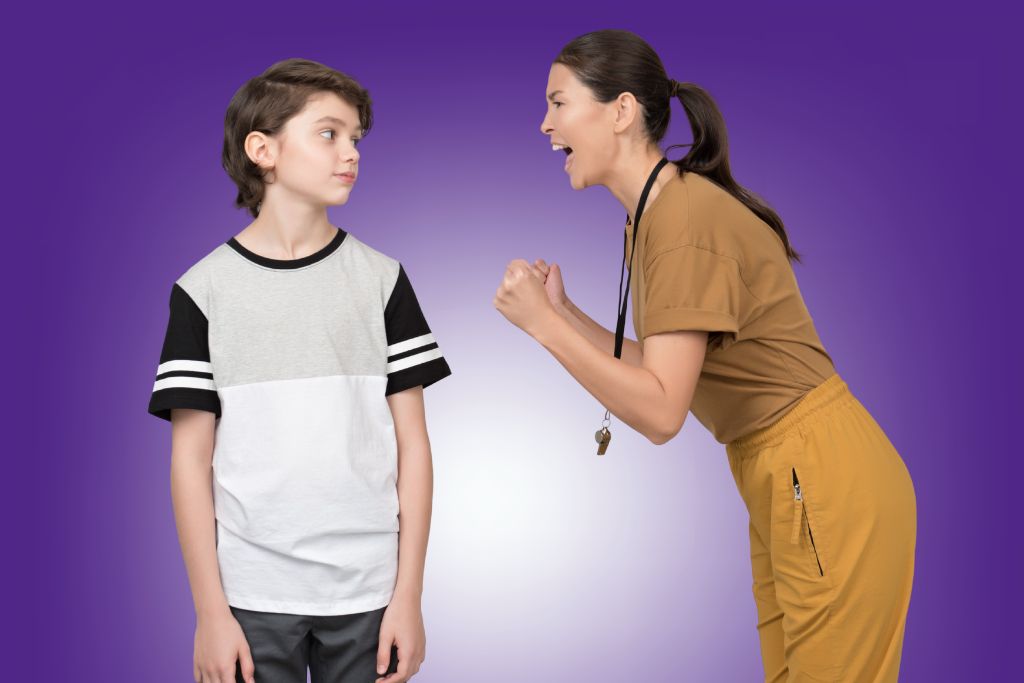
Punishment often backfires because a dysregulated brain can’t learn. When kids feel overwhelmed, consequences increase stress, which leads to more emotional explosions.
Try this instead:
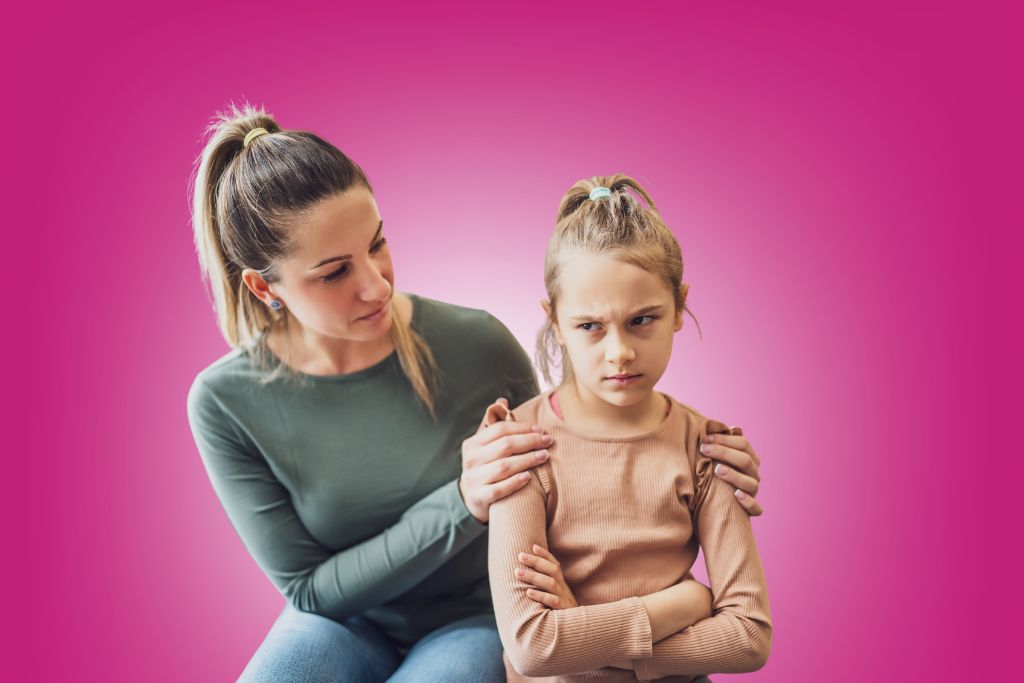
Parent example: One teen with sensory sensitivities went from daily outbursts to successful transitions when his mom shifted from lectures to brief co-regulation. A hand on his shoulder, a few slow breaths together, and then a simple instruction helped him feel safe enough to cooperate.
It's also important to recognize the role of parental stress and dysregulation. Children borrow our nervous systems. When we become reactive, their stress often escalates. Your calm is the catalyst for their calm.
Want to stay calm when your child pushes every button?
Become a Dysregulation Insider VIP and get the FREE Regulation Rescue Kit, your step-by-step guide to stop oppositional behaviors without yelling or giving in.
Go to www.drroseann.com/newsletter and grab your kit today.
Yes. When the nervous system settles, connection, communication, and learning return. A calm brain learns. An overwhelmed brain protects.
One child with autism made remarkable gains once his family learned to regulate with him instead of focusing solely on correcting behavior.
Key truths:
Many parents are surprised to learn that what looks like defiance, laziness, or disrespect is often a nervous system struggling to cope with stress.
🗣️ “You wouldn’t punish a child for having a fever, so don’t punish them when their nervous system is on fire. Calm the brain first, then behavior can change.” — Dr. Roseann
When you stop labeling behavior as “bad” and start seeing dysregulation, everything shifts. You respond with clarity rather than fear. Your child feels safer, and change becomes possible.
Whether the trigger is sensory overload in children, anxiety, poor sleep, or chronic stress, the answer is not more punishment. It’s helping the nervous system feel safe enough to learn, connect, and grow.
You’re not failing. Your child’s brain needs regulation first, and you can absolutely support them.
If nothing seems to work anymore, it’s probably not a behavior problem. It’s nervous system dysregulation. Learn the difference and what to do about it, in The Dysregulated Kid. Order your copy now.
.png)
Yes. Even kids without diagnoses can experience nervous system dysregulation from school stress, transitions, sleep issues, illness, or sensory overwhelm.
No. Calm creates safety. Once the brain is regulated, you can set limits, teach skills, and hold boundaries more effectively.
Not necessarily. While development helps, kids need support and practice to build regulation skills. Learning how to manage fight flight freeze in kids and reducing parental stress and dysregulation can make a significant difference in long-term outcomes.
.When your child is struggling, time matters.Don’t wait and wonder—use the Solution Matcher to get clear next steps based on your child’s brain and behavior.
Take the quiz at www.drroseann.com/help
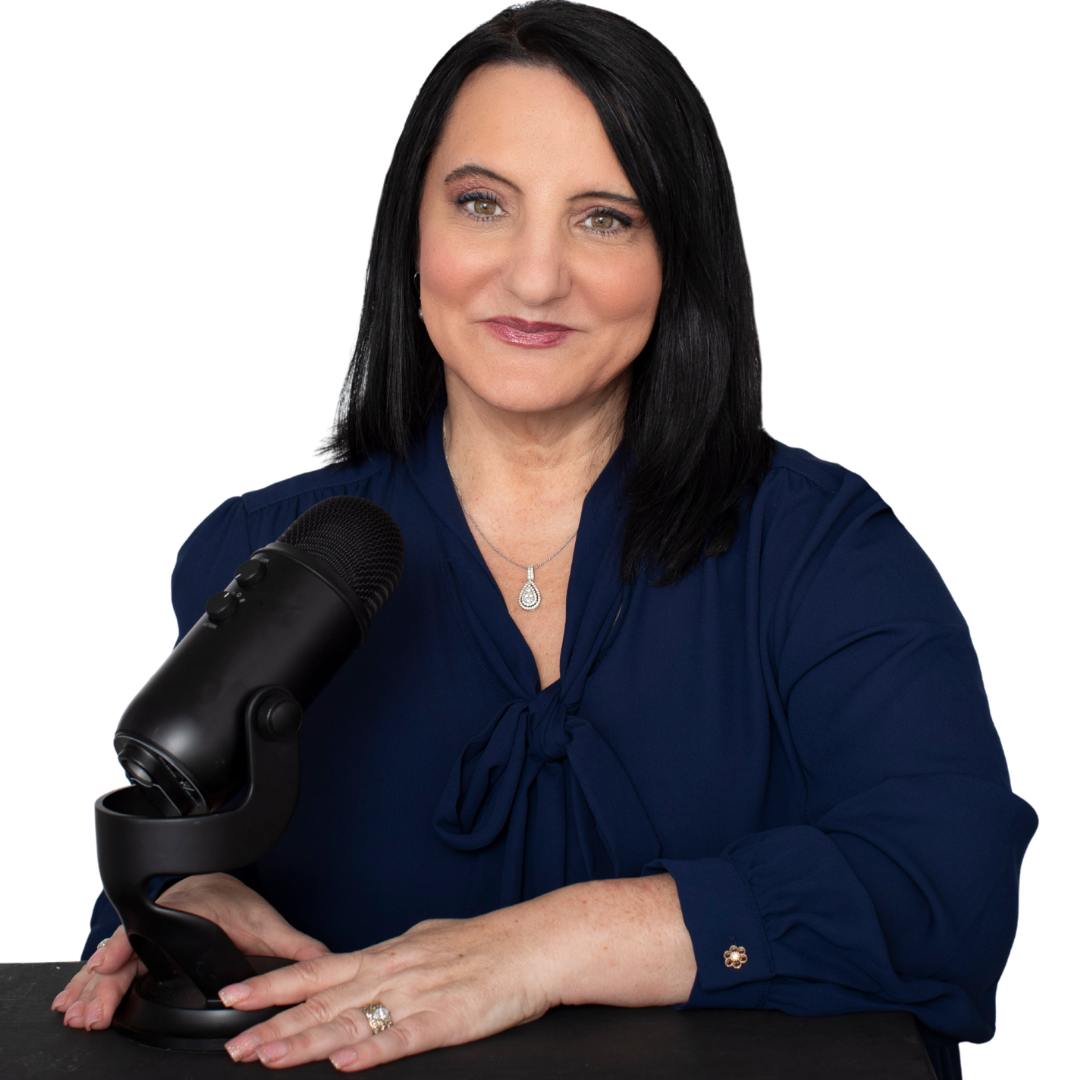
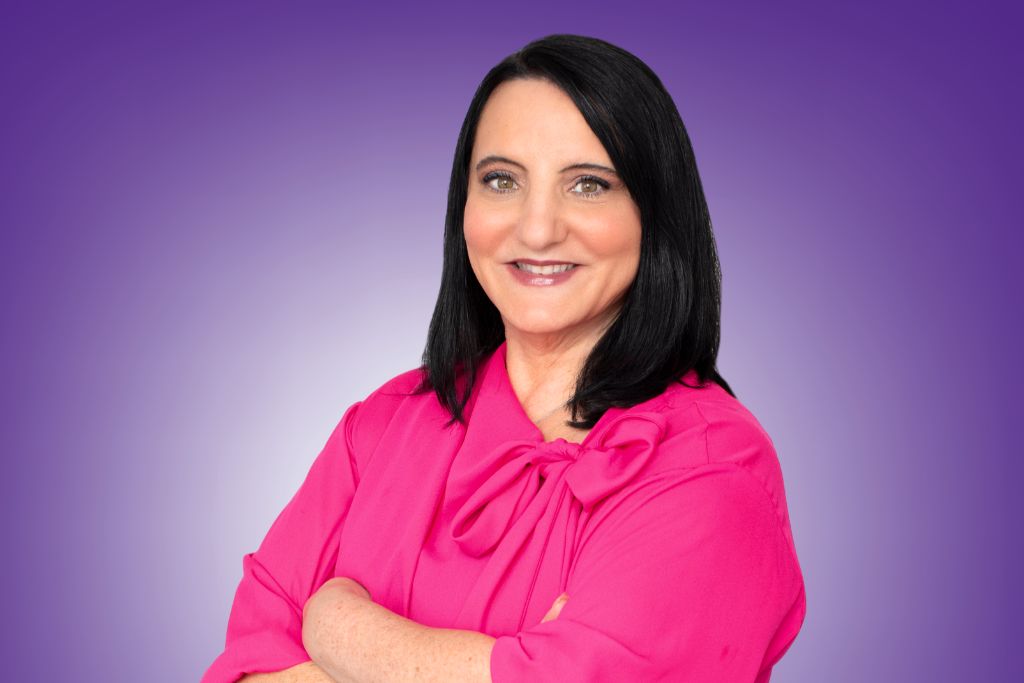
Dr. Roseann Capanna-Hodge is a licensed therapist, certified school psychologist, and leading expert in emotional dysregulation in children. With over 30 years of experience, she helps parents understand the root causes of meltdowns, anxiety, ADHD, and challenging behavior through the lens of nervous system regulation. Dr. Roseann teaches practical, science-backed strategies for co-regulation and how to calm a dysregulated child using her Regulation First Parenting™ approach. She is the host of the Dysregulated Kids Podcast and author of The Dysregulated Kid.
Dr. Roseann Capanna-Hodge
Emotional Dysregulation in Children & Nervous System Expert
Regulation First Parenting™ | CALMS Protocol™
Host of the Dysregulated Kids Podcast (Top 1% Globally)
Author of The Dysregulated Kid