Find Your Solution
In 3 minutes, you’ll know where to start ➤
%20.png)





When your body is stuck in stress mode no matter what you try, it may be how trauma and your gut keep you stuck in survival patterns that affect both you and your child. Learn what’s really driving dysregulation and how to begin calming the nervous system.
If you feel like you’re doing everything “right” as a parent but your child is still melting down—or you’re still overwhelmed in your own body—you are not alone. Many parents are quietly living in survival mode, trying to hold it all together while nothing seems to fully work.
This is where understanding how trauma and your gut keep you stuck becomes so important. In this episode, I’m joined by nurse practitioner Cynthia Thurlow to break down how deeply connected the nervous system, hormones, and gut truly are—and why healing must start there.
When the nervous system is stuck in chronic stress, it doesn’t just affect mood or behavior—it affects sleep, digestion, hormones, emotional regulation, and the ability to feel safe in your own body.
Once you understand this connection, you stop blaming yourself or your child—and start focusing on what actually creates change: nervous system regulation, co-regulation techniques, and rebuilding safety in the body.
Let’s break this down together so you can finally see what’s really going on—and what to do next.
When the body is under chronic stress, it doesn’t differentiate between emotional stress, trauma, or overwhelm—it simply stays in “threat mode.” This is where emotional dysregulation in children often begins, especially in homes where stress has been normalized or passed down.
Cynthia explains that long-term cortisol exposure can affect not just mood, but gut health, immune function, and brain regulation. That means your child isn’t choosing big reactions—their nervous system is overloaded.
Real-life example:
Your child melts down after school over homework that “isn’t hard.” But their stress cup has been filling all day—noise, transitions, social pressure—and their nervous system finally tips into overload at home.
Many parents don’t identify their own history—or their child’s environment—as “trauma,” but even “little t” experiences matter. Repeated criticism, emotional unpredictability, or walking on eggshells all shape the nervous system over time.
This is why parent emotional regulation becomes so critical. Children don’t just learn coping skills—they borrow your nervous system first.
Key takeaways:
What to do instead:
Real-life example:
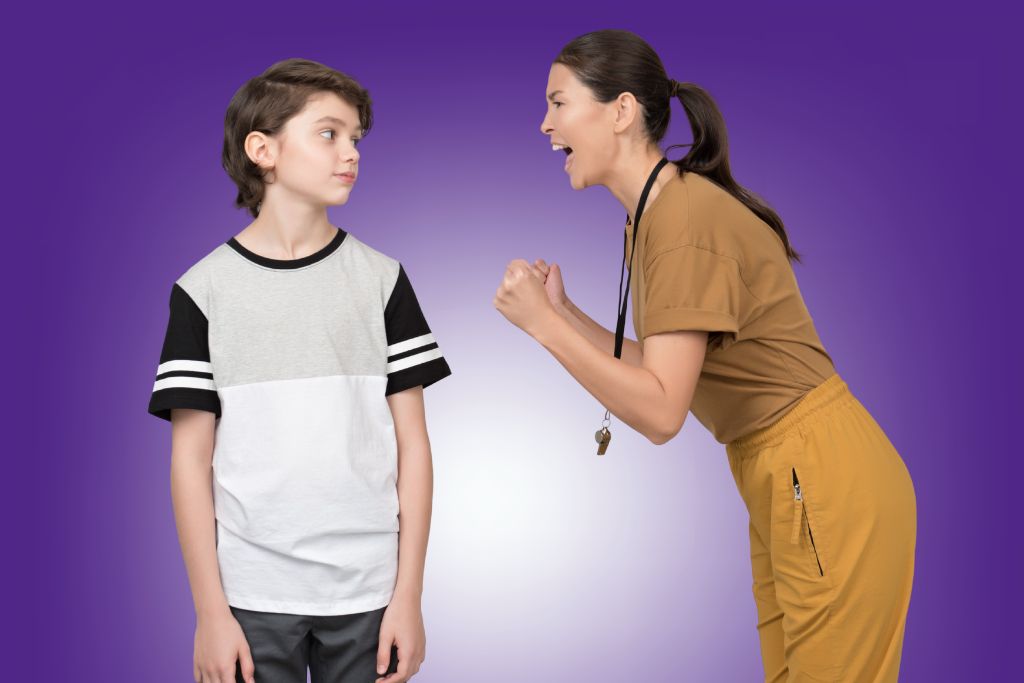
Your child is yelling during homework. Instead of escalating, you lower your voice and sit nearby. Within minutes, their intensity begins to drop—not because the problem is solved, but because their nervous system is borrowing your regulation.
Yelling less and staying calm isn’t about being perfect—it’s about having the right tools.
Join the Dysregulation Insider VIP list and get your FREE Regulation Rescue Kit, designed to help you handle oppositional behaviors without losing it.
Download it now at www.drroseann.com/newsletter
One of the most important insights from this episode is the gut-brain-stress connection.
Chronic stress doesn’t just affect mood—it disrupts digestion, neurotransmitters, and brain clarity. This is why emotional dysregulation in children often comes with physical symptoms like stomachaches, fatigue, or irritability.
When the gut is inflamed or stressed, the brain receives constant “danger signals,” making regulation even harder.
What parents need to know:
Supportive steps:
VISUAL: What a dysregulated brain + gut needs first
When a child is in a stress response, logic doesn’t land. Correction increases escalation. This is where co-regulation techniques become essential—you regulate first so your child can borrow your calm.
What helps in the moment:
What NOT to do:
Real-life example:
Your child is refusing to leave the house for school. Instead of arguing, you sit beside them, breathe slowly, and say, “I see this is really hard right now. I’m here.” The goal isn’t compliance first—it’s regulation first.
“Once you understand that stress, trauma, and the gut are all connected, you stop seeing behavior as defiance—and start seeing it as dysregulation.” — Dr. Roseann
If your child is struggling with big emotions, anxiety, or explosive behavior, nothing is wrong with them—and nothing is wrong with you. What you’re seeing is a dysregulated nervous system trying to cope with overwhelm.
When you begin to understand how trauma and your gut keep you stuck, everything shifts. You stop chasing behavior and start supporting the brain. And that’s where real change begins.
You don’t need perfect parenting. You need regulated parenting. Start small, slow down, and remember—it’s gonna be OK.
Take one step today toward regulation first. Explore tools and resources like Quick CALM and The Dysregulated Kid to guide your next steps.
Trauma keeps the nervous system stuck in survival mode, which directly impacts gut function and emotional regulation. When the brain is dysregulated, the gut often is too.
Yes—because the gut and brain are constantly communicating through the nervous system. When the gut is inflamed or off balance, emotional reactivity often increases.
Start with your own regulation first, because your calm helps signal safety. Then focus on connection before correction in small, simple moments.
When your child is struggling, time matters.
Don’t wait and wonder—use the Solution Matcher to get clear next steps, based on what’s actually going on with your child’s brain and behavior.
Take the quiz at www.drroseann.com/help
Dr. Roseann Capanna-Hodge is a licensed therapist, certified school psychologist, and leading expert in emotional dysregulation in children. With over 30 years of experience, she helps parents understand the root causes of meltdowns, anxiety, ADHD, and challenging behavior through the lens of nervous system regulation. Dr. Roseann teaches practical, science-backed strategies for co-regulation and how to calm a dysregulated child using her Regulation First Parenting™ approach. She is the host of the Dysregulated Kids Podcast and author of The Dysregulated Kid.
Dr. Roseann Capanna-Hodge
Emotional Dysregulation in Children & Nervous System Expert
Regulation First Parenting™ | CALMS Protocol™
Host of the Dysregulated Kids Podcast (Top 1% Globally)
Author of The Dysregulated Kid