Find Your Solution
In 3 minutes, you’ll know where to start ➤
%20.png)





If your child keeps seeking constant reassurance, it may be fueling anxiety, not fixing it. Learn why reassurance backfires and leads to worse behavior and more nervous system dysregulation and how to respond in a way that builds real calm.
You keep answering, explaining, and reassuring—yet the questions don’t stop. Your child isn’t looking for answers—they’re looking for relief from a dysregulated nervous system.
It’s not that you’re doing it wrong. It’s that reassurance doesn’t actually calm the brain long-term. In this episode, you’ll learn what’s really driving those repeated questions and how to shift from quick fixes to lasting regulation.
When your child is anxious or stuck in “what if” loops, your instinct is to reassure—to help them feel safe fast. But for many parents, that turns into a daily cycle of walking on eggshells, saying all the “right” things, and still ending up right back where you started.
Once you understand this through the lens of emotional dysregulation in children, everything starts to make sense. Your child isn’t being difficult—they’re dysregulated.
And when you shift from answering the anxiety to regulating the nervous system, you finally get a path forward that works.
When kids ask repeated questions like “Are you sure I won’t get sick?” or “Are you sure the door is locked?”, it can feel exhausting—and confusing.
But here’s the shift: this isn’t about getting answers. It’s about emotional dysregulation in children.
When your child’s nervous system is activated, their brain is in threat mode. The thinking brain goes offline, and the survival brain takes over. That means logic won’t stick—even if you explain things perfectly.
What’s really happening:
Real-life example:
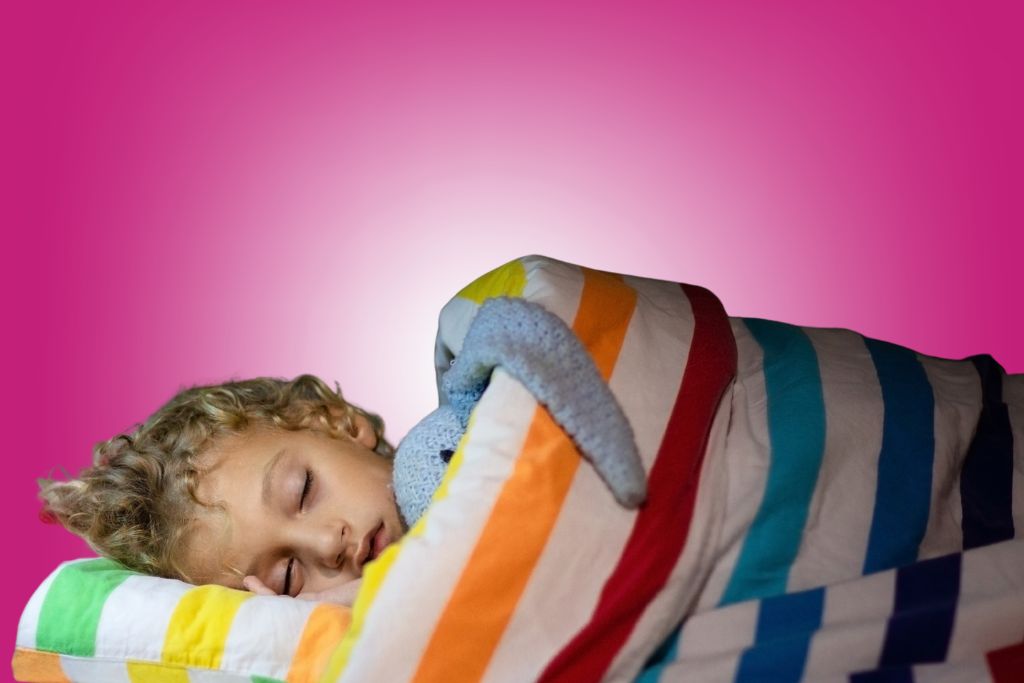
At bedtime, your child asks, “Are you staying with me?” You say yes. They calm—for a moment. Then five minutes later, they ask again. Not because they didn’t hear you—but because their nervous system is still dysregulated.
Let’s break down why reassurance backfires and leads to worse behavior and more nervous system dysregulation in simple terms.
Reassurance gives a quick hit of relief. That relief feels good—so the brain wants more of it.
This creates a loop:
Anxiety → Ask → Reassurance → Relief → Repeat
But that’s not regulation. That’s reinforcement.
What reassurance actually does:
Real-life example:
Your child asks if they’re going to fail a test. You reassure them. They feel better briefly—but now their brain learns: “When I feel anxious, I need someone else to fix it.”
That’s how reassurance shrinks resilience.
Parents often worry: “Is this normal anxiety—or something more?”
Here’s what I see every day: this is a pattern, not a one-off behavior.
Unchecked reassurance loops can lead to:
And here’s the truth: this isn’t defiance—it’s dysregulation.
What to look for:
Real-life example:
A child asks 30–40 questions every night before bed. The parent keeps answering to help—but the behavior grows. Why? Because the brain is being trained to rely on reassurance.
If you’re tired of walking on eggshells or feeling like nothing works…
Get the FREE Regulation Rescue Kit and finally learn what to say and do in the heat of the moment.
Become a Dysregulation Insider VIP at www.drroseann.com/newsletter and take the first step to a calmer home.
This is where nervous system regulation in children changes everything.
You don’t start with answers. You start with the body.
When you calm the brain first, everything else follows.
What actually helps:
Real-life example:
Instead of answering “Yes, the door is locked,” you sit beside your child and say, “Your brain feels worried right now. Let’s take a few breaths together.”
No fixing. Just calming. That’s how you begin to shift the pattern.
This is where many parents feel stuck. If you don’t reassure—what do you say?
You validate the feeling, not the fear.
Try this instead:
This builds self-regulation skills for children, instead of dependence.
Real-life example:
Your child asks, “Are you sure I won’t throw up?”
Instead of answering, you say, “That sounds like a worried thought. What helped you last time?”
Now you’re teaching coping—not feeding anxiety.
Here’s the part no one tells you: it gets worse before it gets better.
When you stop reassuring, anxiety may spike. That’s called extinction learning—and it’s how the brain rewires.
What to expect:
What to do:
Real-life example:
One parent stopped answering reassurance questions and shifted to calming + coaching. The first week was hard. By week three, her child said, “My brain is doing that worry thing again.”
That’s growth. That’s regulation.
“Reassurance quiets anxiety for a moment, but regulation quiets it for a lifetime.”— Dr. Roseann
If you’ve been stuck in a reassurance loop, take a breath. You’re not failing—your child’s nervous system needs a different kind of support.
This is exactly what I teach inside The Dysregulated Kid. When you understand that behavior is communication, everything shifts.
You stop chasing answers—and start building regulation. And that’s where real change happens.
Start with co-regulation—stay calm, connect, and support their nervous system before teaching coping skills.
Yes. It can reinforce anxiety by teaching the brain to rely on external validation instead of building internal coping.
Typically about 1–2 weeks to see changes, but consistency is key for lasting results.
Feel like you’ve tried everything and still don’t have answers?
The Solution Matcher helps you find the best starting point based on your child’s symptoms, behaviors, and history.
It’s fast, free, and based on decades of clinical expertise.
Get your personalized plan now at www.drroseann.com/help
Dr. Roseann Capanna-Hodge is a licensed therapist, certified school psychologist, and leading expert in emotional dysregulation in children. With over 30 years of experience, she helps parents understand the root causes of meltdowns, anxiety, ADHD, and challenging behavior through the lens of nervous system regulation. Dr. Roseann teaches practical, science-backed strategies for co-regulation and how to calm a dysregulated child using her Regulation First Parenting™ approach. She is the host of the Dysregulated Kids Podcast and author of The Dysregulated Kid.
Dr. Roseann Capanna-Hodge
Emotional Dysregulation in Children & Nervous System Expert
Regulation First Parenting™ | CALMS Protocol™
Host of the Dysregulated Kids Podcast (Top 1% Globally)
Author of The Dysregulated Kid