Find Your Solution
In 3 minutes, you’ll know where to start ➤
%20.png)





Why is your child still struggling—even after therapy, routines, and “doing everything right”? Discover how emotional dysregulation in children and an overwhelmed nervous system may be the real issue—and what actually helps.
You’ve tried everything… so why is your child still struggling? You’re not doing anything wrong. Here’s the truth: it’s not a lack of effort—it’s that we’re often missing what’s really driving the behavior… the nervous system.
When we learn how to calm the brain first, everything starts to shift. Let’s unpack what’s really happening inside your child’s nervous system—and most importantly, what you can do to help them regulate, feel safe, and finally find calm.
When a child stays stuck in chronic dysregulation, it doesn’t just show up as daily meltdowns or resistance—it starts shaping how their brain learns to respond to stress, connection, and challenge. Over time, this can impact learning, confidence, friendships, and emotional resilience in ways that aren’t always obvious in the moment.
This is why understanding emotional dysregulation in children and supporting nervous system regulation in children early matters so much. When you calm the brain first, you’re not just improving behavior—you’re changing the foundation your child uses to navigate life.
This is one of the most painful questions parents ask. You’ve done the reading. You’ve followed the advice. You’ve tried to stay calm. And yet… nothing seems to stick.
Here’s the truth: if your child’s nervous system isn’t regulated, no strategy will work consistently.
When we focus only on behavior, we miss what’s driving it—emotional dysregulation in children rooted in a stressed-out nervous system.
Real-life example:
Your child melts down over homework. You try encouraging them, setting limits, even offering breaks. But they spiral anyway. It’s not that they won’t do it—it’s that their brain can’t in that moment.
At the core of emotional dysregulation in children is a chronic stress response.
When the brain senses danger—even something small—it shifts into survival mode: fight, flight, or freeze.
That means:
Over time, the brain gets “stuck” in this state.
Real-life example:
A simple question like “What do you want for breakfast?” leads to overwhelm or irritability. It seems irrational—but it’s actually a nervous system that’s overloaded.
VISUAL: What a Dysregulated Brain Needs First
Because their stress cup is already full.
Kids who are dysregulated aren’t reacting just to what’s happening now—they’re reacting to everything their nervous system has been holding all day (or longer).
When that cup overflows, you see:
But it’s not out of nowhere.
Real-life example:
Your child holds it together at school, then falls apart at home. That’s because home is where their nervous system finally releases all that built-up stress.
If you’re tired of walking on eggshells or feeling like nothing works…
Get the FREE Regulation Rescue Kit and finally learn what to say and do in the heat of the moment.
Become a Dysregulation Insider VIP at www.drroseann.com/newsletter and take the first step to a calmer home.
This is where everything shifts.
Instead of asking, “How do I fix this behavior?” start asking:
“How do I calm my child’s nervous system?”
Because nervous system regulation in children is the foundation for everything else.
Here’s what helps:
Real-life example:
Instead of pushing homework during a meltdown, you sit рядом, lower your voice, and say, “I’ve got you. We’ll figure this out together.” That moment of connection helps their nervous system settle.
Remember: Connection before correction.
Because you’re constantly responding to a nervous system in crisis.
And when your child is dysregulated, it impacts your nervous system too.
This creates a cycle:
This is called co-dysregulation.
And the shift?
Real-life example:
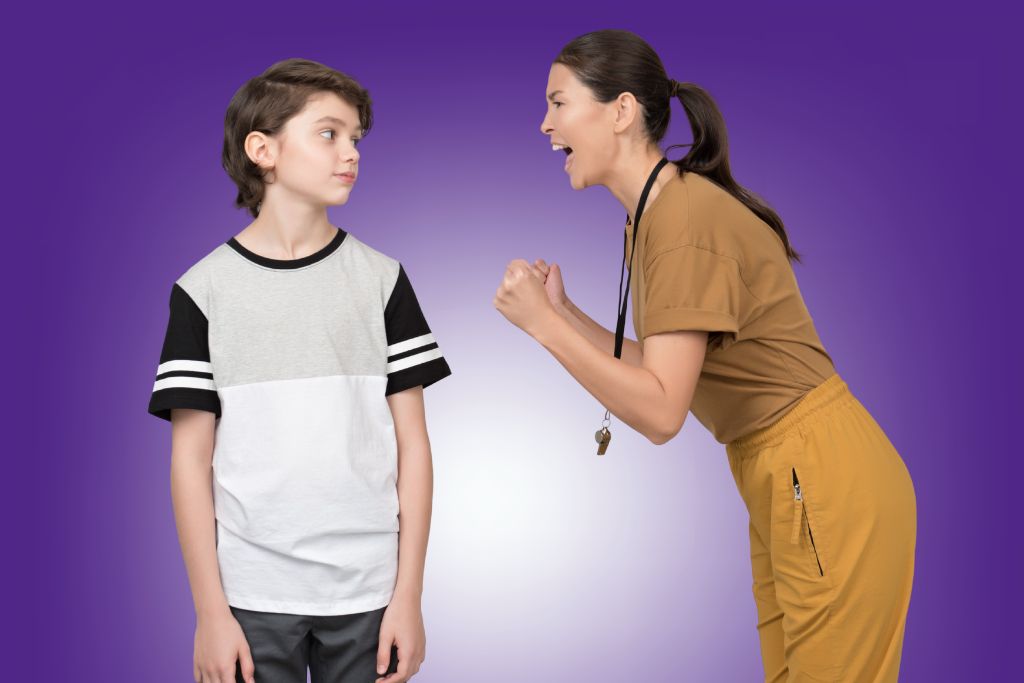
You promise yourself you’ll stay calm—but suddenly you’re yelling. That’s not failure. That’s your own nervous system getting pulled into the stress response.
“It’s not that nothing works—it’s that the nervous system hasn’t been addressed first.” — Dr. Roseann
When you follow Regulation First Parenting™, you stop trying to force behavior change before the brain is ready.
Instead, you:
This is why things start to shift:
Real-life example:
A child who used to refuse everything suddenly says “okay” to a simple request. It’s not magic—it’s regulation.
You’re Not Missing Something—You’re Starting in the Wrong Place
If you’ve been wondering why your child is still struggling despite trying everything, the answer isn’t that you haven’t tried hard enough. It’s that you’ve been trying to solve behavior without regulating the nervous system first.
And once you see that? Everything changes. This isn’t bad parenting—it’s a dysregulated brain. And it’s gonna be OK.
Take one step toward regulating first. Slow it down. Focus on calming before correcting.
That’s how real change begins.
It’s when a child’s nervous system is overwhelmed, making it hard to manage emotions. This leads to meltdowns, shutdowns, or big reactions. It’s not defiance—it’s a stress response.
Start with co-regulation. Stay calm, reduce demands, and create safety. Connection helps the brain settle before any problem-solving can happen.
Their stress response system is overloaded. Small triggers feel like big threats because their nervous system is already in survival mode.
Most of the time, it’s dysregulation. A child who could do better would do better if their brain was regulated.
Feel like you’ve tried everything and still don’t have answers?
The Solution Matcher helps you find the best starting point based on your child’s symptoms, behaviors, and history.
It’s fast, free, and based on decades of clinical expertise.
Get your personalized plan now at www.drroseann.com/help
Dr. Roseann Capanna-Hodge is a licensed therapist, certified school psychologist, and leading expert in emotional dysregulation in children. With over 30 years of experience, she helps parents understand the root causes of meltdowns, anxiety, ADHD, and challenging behavior through the lens of nervous system regulation. Dr. Roseann teaches practical, science-backed strategies for co-regulation and how to calm a dysregulated child using her Regulation First Parenting™ approach. She is the host of the Dysregulated Kids Podcast and author of The Dysregulated Kid.
Dr. Roseann Capanna-Hodge
Emotional Dysregulation in Children & Nervous System Expert
Regulation First Parenting™ | CALMS Protocol™
Host of the Dysregulated Kids Podcast (Top 1% Globally)
Author of The Dysregulated Kid