Find Your Solution
In 3 minutes, you’ll know where to start ➤
%20.png)





Estimated Reading Time: 5 minutes
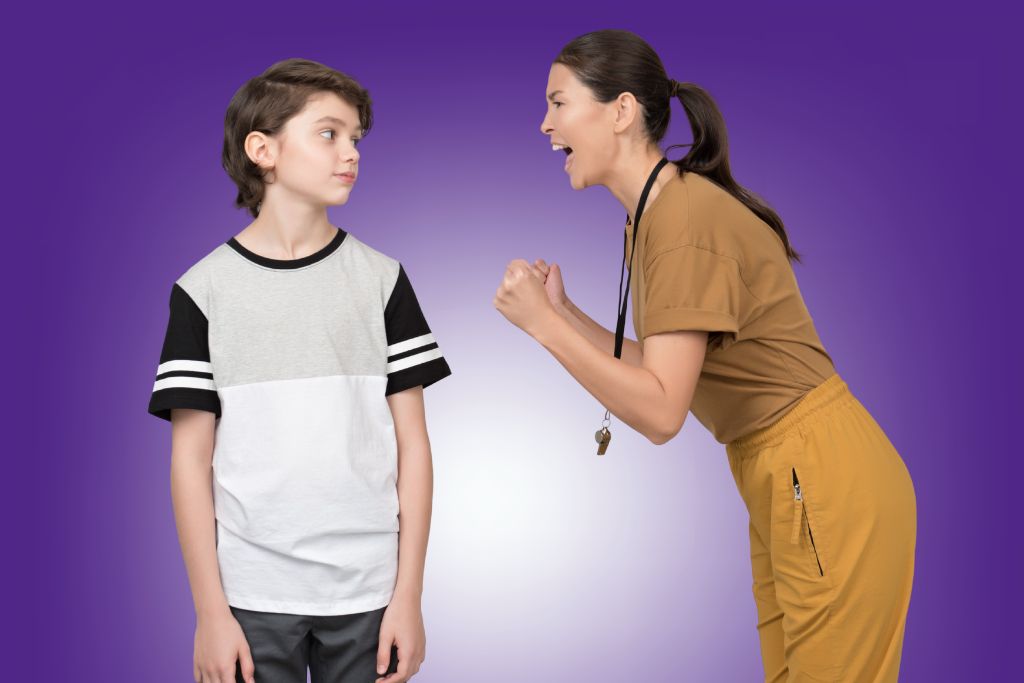
When every request turns into a power struggle, it can leave you exhausted, frustrated, and questioning everything you're doing as a parent. If you're dealing with constant oppositional behavior, it may feel like your child is intentionally making life difficult.
But here's the truth:
Your child isn't trying to make your life harder.
Their brain is stuck in survival mode.
When we understand what's happening beneath the behavior, everything changes. In this episode, we'll explore why children become oppositional, how emotional dysregulation in children fuels resistance, and the simple strategies that help move families from chaos to calm.
One of the most frustrating aspects of oppositional behavior is the constant resistance.
Every request becomes:
Parents often assume this means their child is being disrespectful.
In reality, it often means their nervous system is overwhelmed.
When children become dysregulated:
What sounds like:
"No!"
May actually mean:
Imagine a smoke detector that goes off every time someone makes toast.
Nothing dangerous is happening.
But the alarm system can't tell the difference.
That's what happens in a dysregulated brain.
When the stress cup is already full, even simple requests can feel threatening.
You may notice:
Behavior is communication.
And oppositional behavior is often the brain's way of asking for help.
For many children, yes.
Opposition often functions as a coping strategy.
When children feel overwhelmed, saying "no" can help them regain a sense of control.
Children may refuse because:
When life feels unpredictable, children often seek control wherever they can find it.
Children dealing with:
May become oppositional because their nervous system is already overloaded.
The more dysregulated a child becomes, the more oppositional they often appear.
🗣️ “The more dysregulated they are, the more oppositional they become. And when parents respond from stress too, it amplifies the cycle.” — Dr. Roseann
The goal isn't to defeat the behavior.
The goal is to understand it.
You don't have to figure this out alone.
Become a Dysregulation Insider VIP and get your FREE Regulation Rescue Kit: How to Stay Calm When Your Child Pushes Your Buttons and Stop Oppositional Behaviors.
Head to www.drroseann.com/newsletter and start your calm parenting journey today.
One of the most effective approaches for managing oppositional behavior is helping the nervous system feel safe first.
You cannot calm your child if you're dysregulated too.
Before responding:
Your calm signals safety.
Instead of demanding compliance, provide limited choices.
For example:
Choices restore healthy control while maintaining boundaries.
A dysregulated brain often hears commands as threats.
Instead of:
Try:
Breaking tasks into smaller steps reduces overwhelm.
These simple strategies help strengthen self-regulation skills for children while reducing power struggles.
Need help regulating in the moment?
Download Quick Calm. It's packed with simple, proven techniques to help you and your child calm the brain fast.
Consistency doesn't mean becoming rigid.
It means staying calm, predictable, and connected.
Children learn regulation by watching us.
When parents stay calm:
Notice effort.
Celebrate:
Focus on progress rather than perfection.
Children thrive when they know what to expect.
Helpful routines include:
Predictability lowers anxiety and increases emotional safety.
One of the most important parts of parenting a dysregulated child is maintaining connection even when behavior is challenging.
Connection builds trust.
Trust builds cooperation.
When children feel safe, they can access:
This is why Regulation First Parenting™ focuses on calming the brain before correcting behavior.
Instead of asking:
"How do I stop this behavior?"
Ask:
"What does my child's nervous system need right now?"
That shift changes everything.
Your child's oppositional behavior is not proof that you're failing.
It's information.
It's communication.
It's a nervous system asking for help.
When you:
You create the conditions for cooperation.
Remember:
When we calm the brain first, everything else follows.
Feel like you've tried everything and still don't have answers?
The Solution Matcher helps you find the best starting point based on your child's symptoms, behaviors, and history.
It's fast, free, and based on decades of clinical expertise.
Get your personalized plan now at www.drroseann.com/help
Start by regulating yourself first. Children mirror your nervous system. When you stay calm, offer simple choices, and reduce overwhelm, cooperation becomes more likely.
Oppositional behavior is often rooted in anxiety, sensory overload, or nervous system dysregulation rather than intentional defiance.
Not always. Many children who appear oppositional are actually struggling with stress, anxiety, sensory challenges, or emotional dysregulation in children.
Pause before reacting, stay calm, and offer two simple choices. This reduces power struggles while helping your child feel more in control.
Strong self-regulation skills for children help kids manage stress, tolerate frustration, and respond more flexibly to everyday demands, making cooperation easier over time.
Dr. Roseann Capanna-Hodge is a licensed therapist, certified school psychologist, and leading expert in emotional dysregulation in children. With over 30 years of experience, she helps parents understand the root causes of meltdowns, anxiety, ADHD, and challenging behavior through the lens of nervous system regulation. Dr. Roseann teaches practical, science-backed strategies for co-regulation and how to calm a dysregulated child using her Regulation First Parenting™ approach. She is the host of the Dysregulated Kids Podcast and author of The Dysregulated Kid.
Dr. Roseann Capanna-Hodge
Emotional Dysregulation in Children & Nervous System Expert
Regulation First Parenting™ | CALMS Protocol™
Host of the Dysregulated Kids Podcast (Top 1% Globally)
Author of The Dysregulated Kid