Find Your Solution
In 3 minutes, you’ll know where to start ➤
%20.png)





Is My Child’s Behavior Normal? If you’re stuck between “they’ll grow out of it” and “something feels off,” this guide helps you understand the difference—through a nervous system lens—so you know when to wait and when to act.
If you’ve ever asked yourself, “Is my child’s behavior normal?”, you’re not overthinking—you’re paying attention. And that matters more than you realize.
You’re seeing the big reactions and the emotional ups and downs… and something in you is wondering, Is this just a phase, or is something deeper going on?
Here’s the truth: behavior is communication. And when you learn how to read it through the lens of the nervous system, everything starts to make sense.
Parents are constantly pulled in two directions.
On one side, you hear: “Kids will be kids. They’ll grow out of it.”
On the other, you’re living it—daily struggles, big emotions, and a child who just can’t seem to “bounce back.”
That internal conflict? It’s exhausting.
But here’s the reframe:
The question isn’t “Is this normal?”
It’s “What is this behavior telling me about my child’s nervous system?”
Once you shift to that question, you stop guessing—and start understanding.
All kids have big feelings. That’s part of development.
But emotional dysregulation in children shows up differently—it’s about patterns, not one-off moments.
You’re not looking for perfection. You’re looking for consistency over time.
Key signs to pay attention to:
Real-life Example:
Your child has a meltdown once after a long day—that’s expected.
But if they’re melting down every single day after school and can’t recover, that’s a nervous system waving a red flag.
Takeaway:
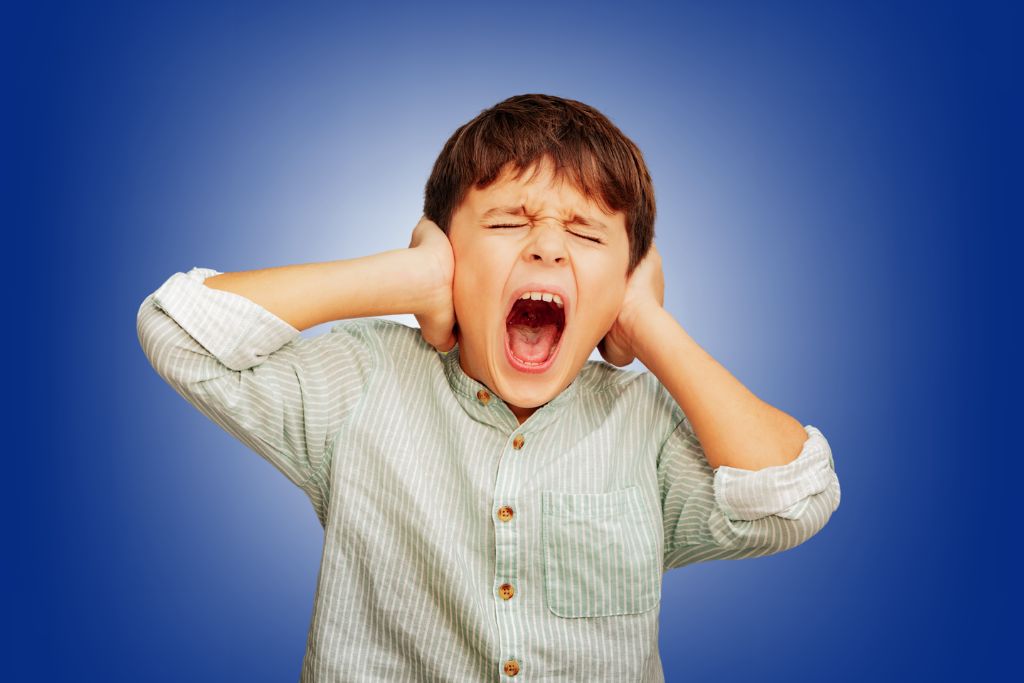
When your child explodes over something small, it can feel confusing—or even frustrating.
But here’s what’s really happening:
That reaction isn’t about the moment—it’s about a full stress cup.
A dysregulated brain is already overwhelmed. So when one more thing gets added—even something minor—it spills over.
This is a stress response, not misbehavior.
What this means:
Real-life Example:
Your child loses it because their sock feels “wrong.”
It’s not about the sock—it’s the final straw after a full day of holding it together.
This is one of the biggest clues parents miss.
Your child may look “fine” at school—but then completely unravel at home.
That’s not manipulation. That’s nervous system depletion.
Your child is using all their energy to stay regulated in one environment—and when they get to a safe place (you), they release it.
This is often called after-school restraint collapse.
What this means:
Real-life Example:
A teacher says, “Your child had a great day!”
But at home? Tears, anger, and overwhelm the minute they walk in.
That’s not inconsistency—it’s a pattern.
Takeaway:
When your child is dysregulated, it’s easy to feel helpless.
The Regulation Rescue Kit gives you the scripts and strategies you need to stay grounded and in control.
Become a Dysregulation Insider VIP at www.drroseann.com/newsletter and get your free kit today.
When Should I Wait It Out vs. Take Action?
This is the question every parent wants answered.
Sometimes, waiting is appropriate. But not always.
You can wait when:
You need to act when:
Example:
A child who struggles a bit with transitions but improves over time? That’s developmental.
A child who melts down daily, can’t recover, and is struggling across environments? That needs support.
This isn’t about labeling your child. It’s about supporting their nervous system early.
Here’s where everything shifts.
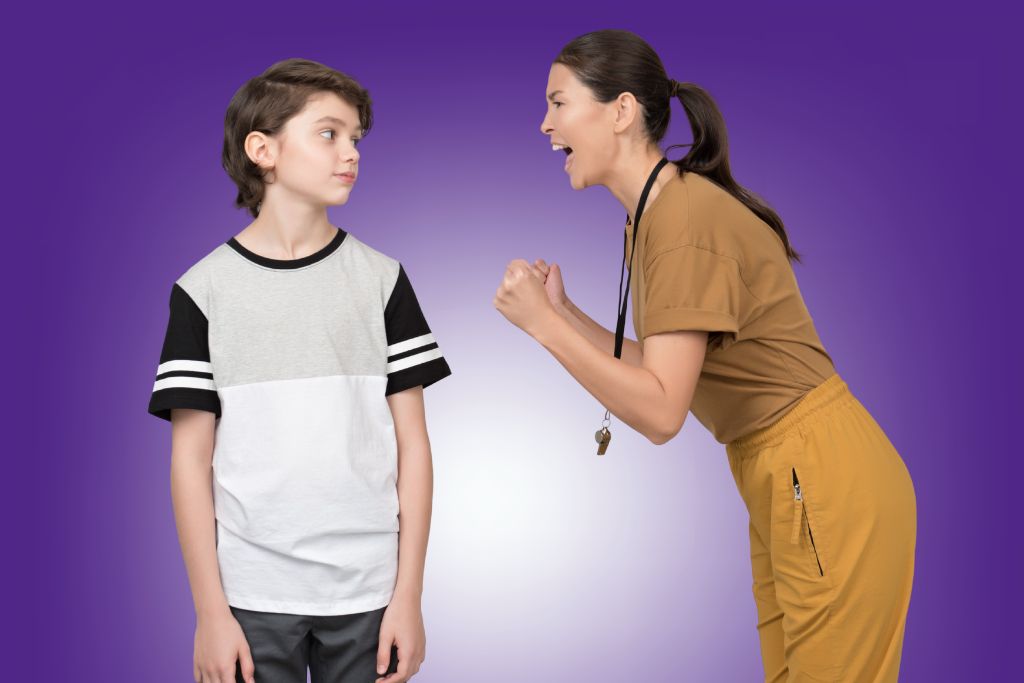
When a child is dysregulated, logic won’t work. Consequences won’t stick.
Because if you don’t regulate the nervous system first, nothing else will stick.
Start here:
Real-life Example:
Instead of saying, “Stop yelling right now,”
Try: “I see you’re overwhelmed. I’m here. Let’s calm your body together.”
That’s co-regulation.
Remember:
You don’t need perfection—you need awareness over time.
Start thinking like a “parent detective.”
Track patterns like:
Real-life Example:
You notice meltdowns happen every school night around homework time.
That’s not random—it’s a pattern pointing to overwhelm or executive functioning challenges.
Takeaway:
“Parents aren’t wrong about what they’re seeing—they’re just missing how to interpret it.”
— Dr. Roseann
The Bottom Line: Trust What You’re Seeing
You’re not overreacting. And you’re not failing.
You’re noticing patterns—and that’s the first step to helping your child.
This isn’t about choosing between “ignore it” or “something is seriously wrong.”
Most kids fall somewhere in between.
And when you understand that behavior is a stress response, not defiance, everything changes.
Calm the brain first. Support the nervous system. Build regulation over time.
That’s how real change happens.
If you’re ready for clarity on what your child needs next, explore tools and resources like Quick CALM and The Dysregulated Kid.
Look at patterns—frequency, intensity, recovery, and impact. Occasional struggles are normal. Ongoing, disruptive patterns signal a need for support.
Start with co-regulation. Stay calm, connect, and reduce demands. Regulation builds over time through consistent support.
Most of the time, it’s dysregulation. What looks like defiance is often a stress response from an overwhelmed nervous system.
When your child is struggling, time matters.
Don’t wait and wonder—use the Solution Matcher to get clear next steps, based on what’s actually going on with your child’s brain and behavior.
Take the quiz at www.drroseann.com/help
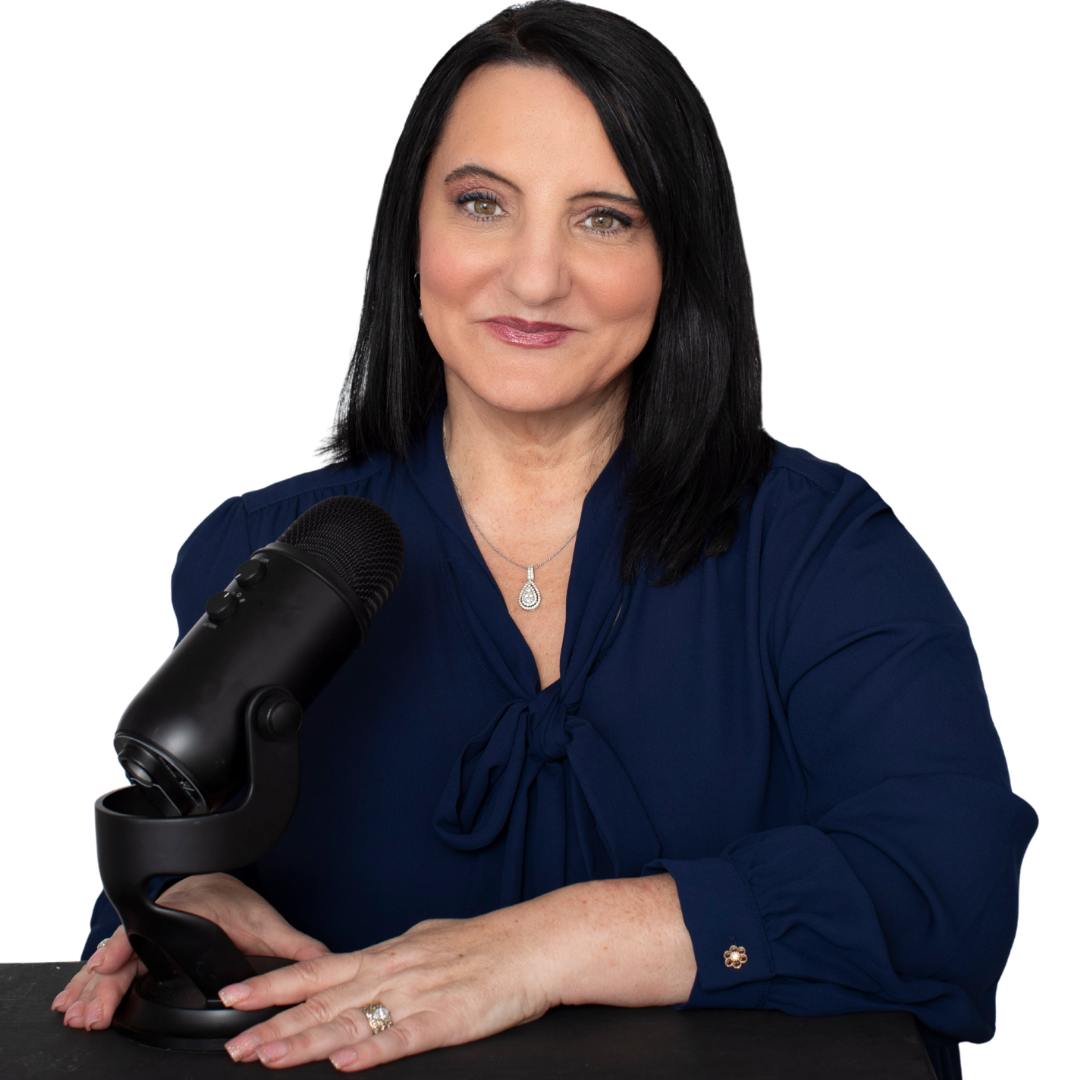
Dr. Roseann Capanna-Hodge is a licensed therapist, certified school psychologist, and leading expert in emotional dysregulation in children. With over 30 years of experience, she helps parents understand the root causes of meltdowns, anxiety, ADHD, and challenging behavior through the lens of nervous system regulation. Dr. Roseann teaches practical, science-backed strategies for co-regulation and how to calm a dysregulated child using her Regulation First Parenting™ approach. She is the host of the Dysregulated Kids Podcast and author of The Dysregulated Kid.
Dr. Roseann Capanna-Hodge
Emotional Dysregulation in Children & Nervous System Expert
Regulation First Parenting™ | CALMS Protocol™
Host of the Dysregulated Kids Podcast (Top 1% Globally)
Author of The Dysregulated Kid