Join the Dysregulation Insider get free calm parenting tips straight to your inbox!
YES, I'M IN!Stop Yelling and Punishing: What to Do Instead | Regulation First Parenting® | E416





If you’ve found yourself yelling and then feeling guilty—it doesn’t mean you’re a bad parent. It means what you’re doing isn’t reaching your child’s dysregulated nervous system. If you’re stuck in cycles of yelling, guilt, and no change, this explains why it’s happening and what actually helps calm the brain.
If you’re trying to stop yelling and punishing and still finding yourself right back in the same cycle, you are not alone. Most parents I work with have already tried being calm, patient, explaining, and setting consequences—yet nothing seems to stick.
Here’s the truth that changes everything: your child isn’t ignoring you on purpose. You’re speaking to a nervous system in survival mode.
Learn why yelling and punishment stop working in dysregulated kids, what’s actually happening in their brain during meltdowns, and the simple Regulation First Parenting™ steps that finally help you calm the storm instead of feeding it.
Why This Matters More Than You Think
Yelling and punishment don’t teach skills to a dysregulated brain—they signal threat. When a child is in survival mode, they can’t access learning, reasoning, or behavior change.
Once you see this through a nervous system lens, everything shifts—and so does what actually works.
Why can’t I seem to stop yelling and punishing (even when you try)?
Most parents don’t want to yell. They’ve already tried everything else first—soft voice, explanations, consequences, even threats they don’t follow through on. And yet… nothing changes.
That’s because yelling and punishment are usually being used in the wrong moment—during nervous system overload.
When your child is dysregulated, their brain is not in learning mode. It’s in survival mode.
- The thinking brain goes offline
- The stress response takes over
- Connection feels like threat, not safety
- Behavior becomes protective, not intentional
VISUAL: “Why nothing is working right now”
Dysregulation → Protection mode → No learning → Escalation cycle
Real-life example:
Your child refuses homework. You explain, then repeat yourself, then raise your voice. Suddenly they’re yelling back or shutting down. Nothing lands—not because they don’t care, but because their nervous system is overwhelmed.
What helps instead:
- Pause before reacting
- Lower your voice (your calm leads the brain)
- Shift from correction to connection first
- Stop expecting logic during survival mode
This is where everything starts to shift in parent emotional regulation—because your nervous system becomes the anchor.
What’s happening in your child’s brain during meltdowns?
A meltdown is not a behavior problem first—it’s a stress response. What you’re seeing is a dysregulated nervous system trying to protect itself.
When the brain senses threat (even emotional threat like frustration or disappointment), it moves into fight, flight, or freeze.
- Fight = yelling, arguing, hitting
- Flight = running away, avoiding, escaping
- Freeze = shutdown, silence, disconnection
Your child isn’t choosing this. Their brain is reacting.
Real-life example:
You ask your child to turn off the tablet. Suddenly they scream, throw it, or collapse into tears. That’s not defiance—it’s nervous system overload.
What helps instead:
- Stay visually and verbally calm
- Reduce language (less is more)
- Offer presence, not pressure
- Focus on safety before solutions
This is the foundation of how to calm a dysregulated child—by signaling safety first.
How do I calm a dysregulated child without making it worse?
When a child is escalated, the worst thing we can do is try to “fix” the behavior immediately. Because correction requires a regulated brain.
Instead, we follow a simple order: Regulate → Connect → Correct
- Regulate first: You calm your body, voice, and energy
- Connect second: You reduce threat and increase safety
- Correct last: You teach, problem-solve, or set limits
Real-life example:
At bedtime, your child refuses to brush teeth and starts yelling. Instead of escalating, you sit nearby, soften your voice, and say less: “I’m here. We’ll figure this out.”
Once they settle, you guide the routine—not during the storm.
What helps instead:
- Slow your body and voice
- Say fewer words, not more
- Delay teaching until calm returns
- Lead with connection before correction
This is where Regulation First Parenting™ changes everything—because calm is what makes change possible.
If you’re tired of walking on eggshells or feeling like nothing works…
Get the FREE Regulation Rescue Kit and finally learn what to say and do in the heat of the moment.
Become a Dysregulation Insider VIP at www.drroseann.com/newsletter and take the first step to a calmer home.
Stop Yelling and Punishing: what to do instead in the moment?
If you want to stop yelling and punishing, you don’t start with behavior—you start with your nervous system.
Because your calm is the catalyst.
When you feel yourself rising, the goal is not perfection—it’s awareness.
- Notice your escalation early
- Pause instead of reacting
- Lower your tone intentionally
- Step into “calm leader” mode, not “enforcer” mode
Real-life example:
Your child is screaming in the car. Instead of matching their intensity, you slow your breathing, soften your voice, and say: “I see this is hard. I’m here.”
You are not ignoring behavior—you are regulating the nervous system first.
What helps instead:
- Take one breath before responding
- Focus on slowing, not solving
- Use simple phrases: “I’m here.”
- Remember: behavior is communication
Why don’t consequences work during dysregulation?
Many parents feel stuck because consequences sometimes work—but only when the brain is regulated.
During dysregulation, consequences feel like a threat, not learning.
That’s why you may see:
- Temporary compliance
- Followed by repeated behavior
- Followed by more frustration
The pattern continues because nothing changed underneath the nervous system.
Real-life example:
You remove screen time after a meltdown. The next day, the same meltdown happens again. Not because your child didn’t “learn”—but because the brain was never regulated enough to learn.
What helps instead:
- Set consequences when calm, not during chaos
- Focus on teaching after regulation
- Separate discipline from dysregulation
- Build skills, not fear
This is why parenting a dysregulated child requires a different lens—not more intensity.
How does Regulation First Parenting™ change everything?
Once you understand the nervous system, everything shifts.
You stop seeing a “defiant child” and start seeing a dysregulated brain asking for help.
And that changes how you respond.
Regulation First Parenting™ teaches you:
- Calm the brain first
- Connect before correction
- Respond to the nervous system, not just behavior
This is not about permissive parenting. It’s about effective parenting—at the right time, in the right order.
And no—you don’t have to be perfect. You just need to be consistent more often than not.
“Most parents aren’t failing—they’re just trying to use correction before regulation. But the brain doesn’t learn in survival mode.”— Dr. Roseann
You don’t need more yelling—you need a new order
If you’ve been stuck in cycles of yelling and starting over again the next day, nothing is wrong with you. You’ve simply been trying strategies that don’t match a dysregulated nervous system.
When you learn to regulate first, everything starts to shift—your child calms faster, you feel less reactive, and home feels more predictable.
It’s not about doing more. It’s about doing it in the right order.
And that begins with one simple shift: calm the brain first.
If you want support, you can explore tools and resources like Quick CALM, The Dysregulated Kid, and the Regulated Child Summit.
FAQs
What does “Stop Yelling and Punishing” really mean?
It means shifting from reactive discipline to nervous system regulation. Instead of escalating during meltdowns, parents learn to calm first, then teach when the brain is ready.
Why does my child get worse when I yell?
Because yelling signals a threat to a dysregulated brain. Instead of learning, the child moves into fight, flight, or freeze, which escalates behavior.
How do I calm a dysregulated child fast?
Start by lowering your voice, slowing your body, and reducing language. Connection before correction helps the nervous system feel safe enough to settle.
Is my child defiant or dysregulated?
Many “defiant” behaviors are actually stress responses. When the nervous system is overwhelmed, kids cannot access reasoning or self-control.
Feel like you’ve tried everything and still don’t have answers?
The Solution Matcher helps you find the best starting point based on your child’s symptoms, behaviors, and history.
It’s fast, free, and based on decades of clinical expertise.
Get your personalized plan now at www.drroseann.com/help
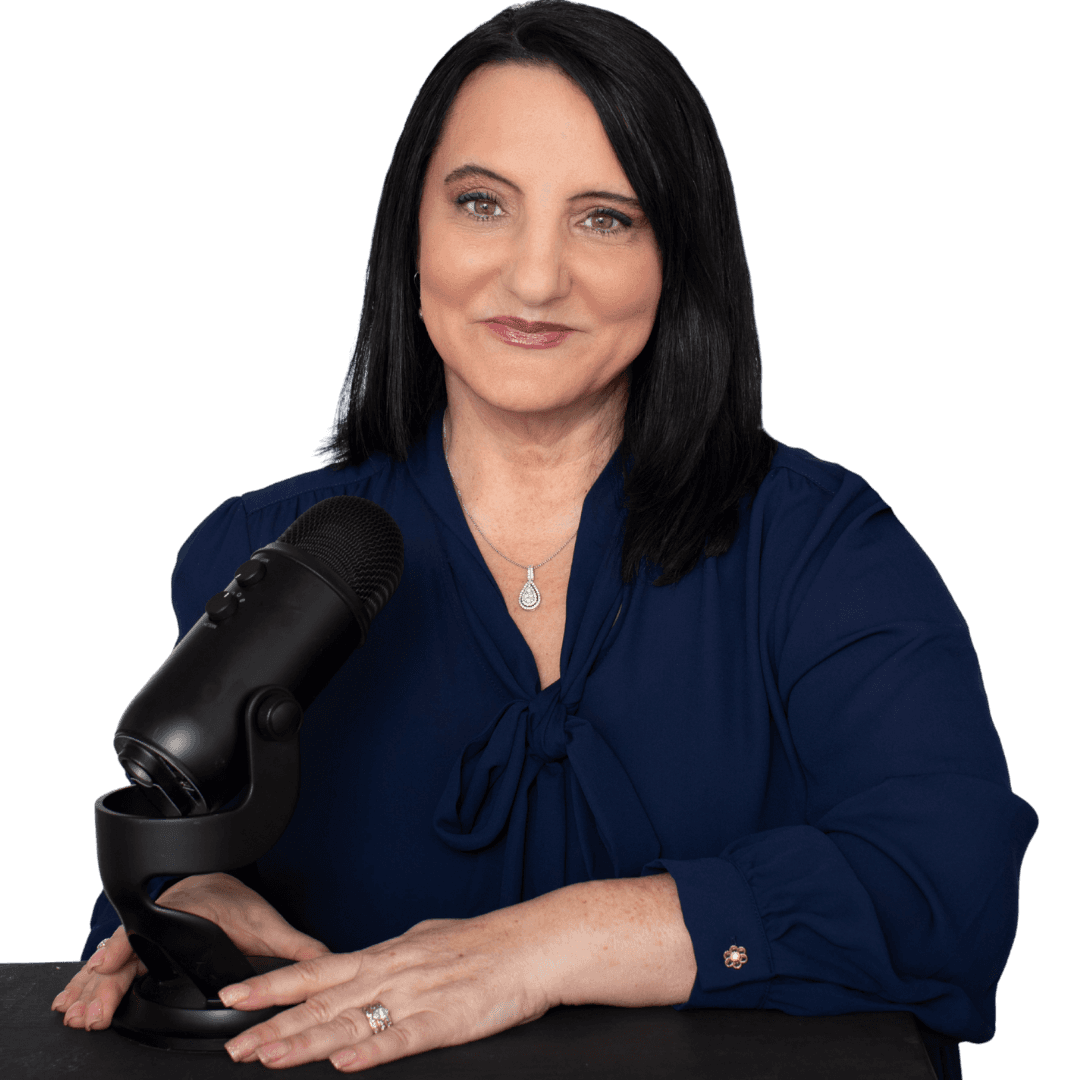
Dr. Roseann Capanna-Hodge is a licensed therapist, certified school psychologist, and leading expert in emotional dysregulation in children. With over 30 years of experience, she helps parents understand the root causes of meltdowns, anxiety, ADHD, and challenging behavior through the lens of nervous system regulation. Dr. Roseann teaches practical, science-backed strategies for co-regulation and how to calm a dysregulated child using her Regulation First Parenting™ approach. She is the host of the Dysregulated Kids Podcast and author of The Dysregulated Kid.
Dr. Roseann Capanna-Hodge
Emotional Dysregulation in Children & Nervous System Expert
Regulation First Parenting™ | CALMS Protocol™
Host of the Dysregulated Kids Podcast (Top 1% Globally)
Author of The Dysregulated Kid

Find this helpful? Leave us a review!
Your feedback helps more overwhelmed parents find calm, clarity, and the proven tools that make everyday life easier.
Dr. Roseann Capanna-Hodge: Helping Families of Dysregulated Kids Thrive Through Regulation First Parenting™
As the creator of Regulation First Parenting™, she’s helping families of dysregulated kids discover a compassionate, brain-based path forward. Through The Dysregulated Kids™ Podcast (top 2% globally), she offers practical strategies that help parents understand their child’s brain and support lasting change.
Through The Global Institute of Children’s Mental Health and Dr. Roseann, LLC, she’s created resources like the Neurotastic™ Brain Formulas and the Regulation First Parenting™ framework—meeting families where they are and supporting them through challenges like ADHD, anxiety, OCD, PANS/PANDAS, and behavioral struggles.
Recognized by Forbes as “a thought leader in children’s mental health,” Dr. Roseann is changing how we understand emotional dysregulation in children—one family at a time.