
Join the Dysregulation Insider get free calm parenting tips straight to your inbox!
YES, I'M IN!How Emotional Dysregulation Can Affect a Child’s Confidence | Emotional Dysregulation in Children | E394





Discover how behavioral and emotional dysregulation quietly destroys a child’s confidence, undermining self-esteem and motivation. Dr. Roseann Capanna-Hodge, expert in Regulation First Parenting®, guides parents with practical strategies to calm the brain and rebuild resilience in childrenz
Feeling frustrated that your child’s confidence seems to erode despite your best efforts? You’re not alone. Behavioral and emotional dysregulation doesn’t just cause meltdowns—it quietly chips away at how your child sees themselves and what they believe they’re capable of.
Today, let me share how behavioral and emotional dysregulation quietly destroys a child’s confidence, why it matters for their learning and self-esteem, and practical ways you can help your child feel safe, capable, and motivated again.
Why does my child lose confidence even when they’re smart or capable?
When children live in a chronically dysregulated state, their nervous system is stuck in survival mode. Every correction—“Try harder,” “Stop acting like that,” or “You know better”—is perceived as a threat, not guidance.
Without support for emotional regulation, many children struggle to manage their own emotions, which can strain parent-child relationships and increase stress for everyone.
- Sympathetic activation: Heart rate rises, cortisol increases, amygdala lights up
- Prefrontal cortex offline: Problem-solving, risk-taking, and learning from mistakes are compromised, making children act impulsively or withdraw
- Internal narrative shifts: “I’m not good enough,” “I always mess up” common in kids with disruptive mood dysregulation disorder
Parent scenario: Harrison, a bright middle schooler with undiagnosed dyslexia, spent six hours on homework each night. Each correction from well-meaning adults deepened his shame, until his nervous system was so activated he simply gave up.
Supporting him with parent management training and teaching coping skills helped him reconnect with his abilities.
Key takeaway: Confidence is built when the nervous system feels safe, mistakes aren’t threatening, and effort is recognized.
How can I help my child regulate before correcting behavior?
Regulation first, then correction is the cornerstone of supporting confidence, especially for children who struggle with emotion dysregulation. This approach can shift bad behavior into positive behaviors and strengthen emotional intelligence.
- Set the nervous system baseline: Deep breaths, movement breaks, or Quick CALM strategies help children settle, giving them space to manage emotional responses and impulse control.
- Co-regulate with your child: Your calm presence teaches most children how to regulate, reducing defiant behavior and helping them respond instead of react.
- Reinforce effort over outcome: Celebrate micro-steps, not just results. Noticing effort rather than focusing on mistakes or self-criticism can teach children that persistence matters and make all the difference in building confidence for many children.
🗣️ “When kids regulate first, they can take feedback, persist, and learn—not because they’re suddenly perfect, but because they no longer feel unsafe trying.” — Dr. Roseann
What happens when my child’s nervous system stays dysregulated?
Chronic dysregulation creates loops of shame, correction, and stress that quietly erode confidence:
- Shrinks risk-taking and resilience
- Reinforces negative self-talk and low self-esteem
- Feeds behavioral problems like impulsivity, defiance, and avoidance
Even children who are bright, curious, and capable—like Harrison—can feel “stupid” or “lazy” if their nervous system never experiences safety during challenges.
When your child is dysregulated, it’s easy to feel helpless.
The Regulation Rescue Kit gives you the scripts and strategies you need to stay grounded and in control.
Become a Dysregulation Insider VIP at www.drroseann.com/newsletter and get your free kit today.
How can I protect my child’s confidence while managing challenging behaviors?
- Prioritize emotional validation: Let your child know their feelings matter
- Focus on co-regulation: Regulate first, then teach problem-solving or social skills
- Use age-appropriate strategies: Visual aids, movement breaks, and manageable challenges support learning
How does emotional dysregulation affect school and social life?
- Attention deficit hyperactivity disorder, oppositional defiant disorder, and other mental health disorders can amplify struggles
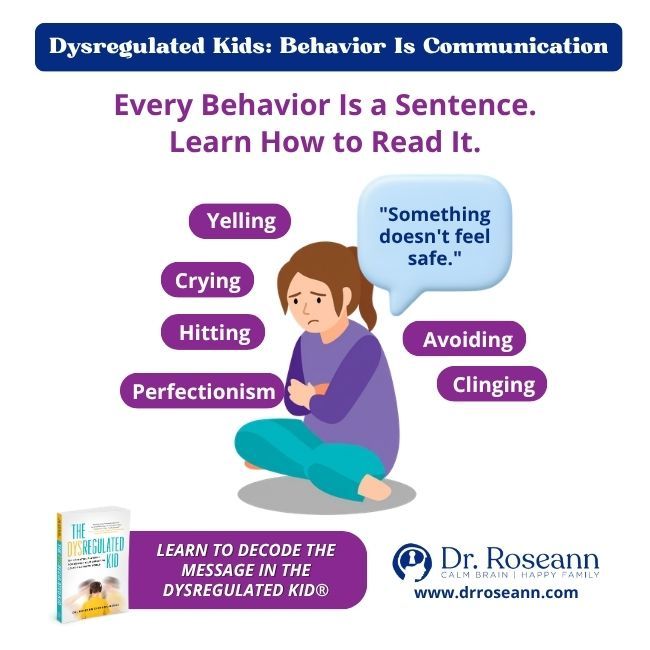
- Children may appear lazy, defiant, or unmotivated when really their nervous system is overloaded
- Peer interactions, risk-taking, and self-esteem suffer if the child feels unsafe
Real-Life Example: A child who struggles with reading or focus may disengage to protect themselves, not because they don’t care. With the right support and regulation skills, they can re-engage, learn, and thrive.
Takeaway & What’s Next
Behavioral and emotional dysregulation doesn’t just create chaos—it quietly erodes a child’s confidence and sense of self. By calming the nervous system first, parents can protect self-esteem, encourage risk-taking, and foster emotional resilience.
With consistent regulation, validation, and support, confidence grows, and children learn to trust themselves.
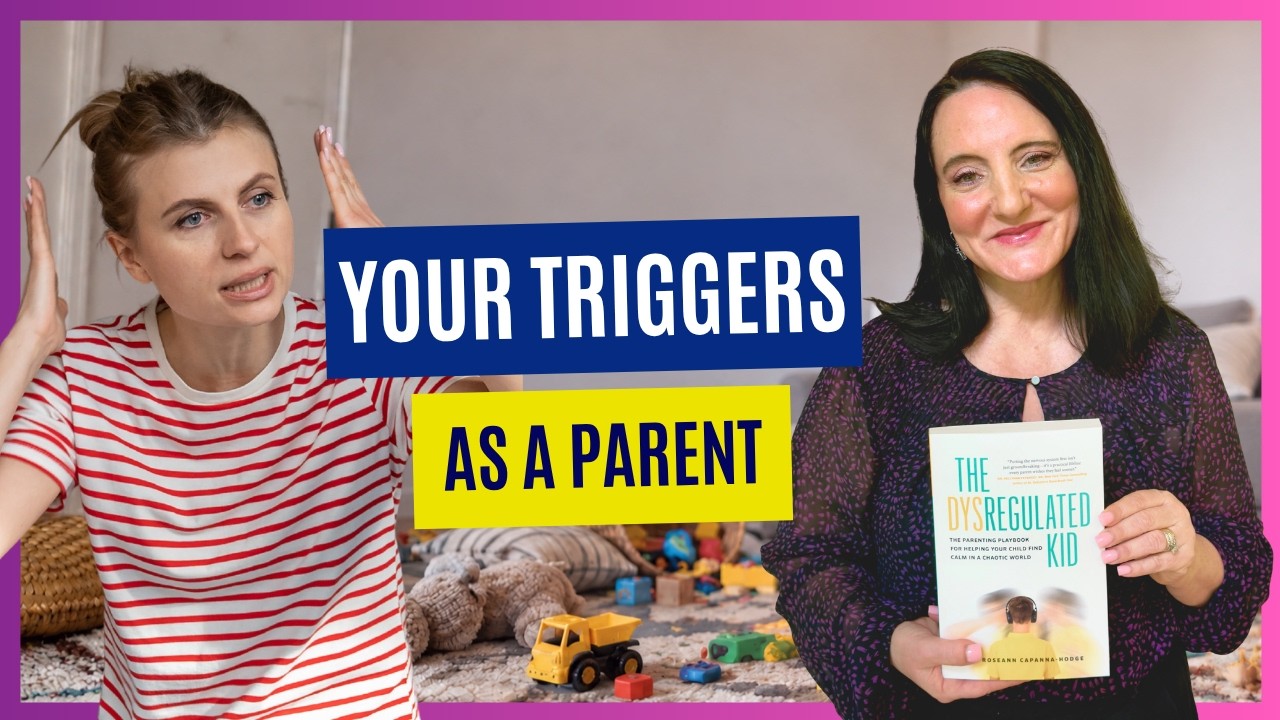
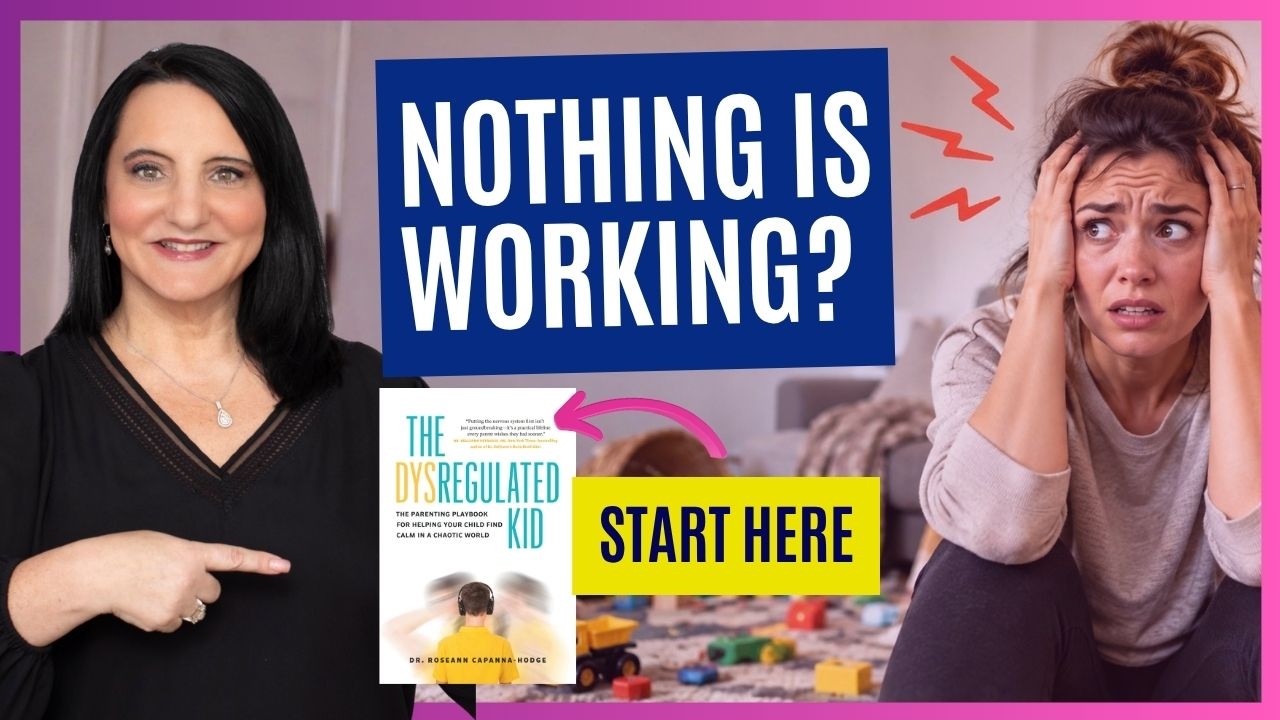
For more tools and insights, explore The Dysregulated Kid and join the Regulated Child Summit.
FAQs
How can I tell if my child is emotionally dysregulated?
Look for frequent meltdowns, impulsivity, shutdowns, or avoidant behaviors. Emotional dysregulation often shows as intense responses to normal stressors.
Can dysregulation affect my child’s self-esteem?
Yes. Chronic correction and threat perception can create low self-esteem and negative self-talk, even in capable kids.
Are these strategies effective for ADHD or anxiety?
Absolutely. Regulation-focused strategies help children with ADHD, ODD, anxiety, and other emotional or behavioral challenges build confidence and resilience.
Tired of not knowing what’s really going on with your child?
The Solution Matcher gives you a personalized recommendation based on your child’s behavior, not just a label.
It’s free, takes just a few minutes, and shows you the best next step: www.drroseann.com/help
Dr. Roseann Capanna-Hodge is a licensed therapist, certified school psychologist, and leading expert in emotional dysregulation in children. With over 30 years of experience, she helps parents understand the root causes of meltdowns, anxiety, ADHD, and challenging behavior through the lens of nervous system regulation. Dr. Roseann teaches practical, science-backed strategies for co-regulation and how to calm a dysregulated child using her Regulation First Parenting® approach. She is the host of the Dysregulated Kids Podcast and author of The Dysregulated Kid.
Dr. Roseann Capanna-Hodge
Emotional Dysregulation in Children & Nervous System Expert
Regulation First Parenting® | CALMS Protocol™
Host of the Dysregulated Kids Podcast (Top 1% Globally)
Author of The Dysregulated Kid
When kids repeatedly hear that they’re lazy, difficult, dramatic, or “should know better,” they start believing something is wrong with them. The Dysregulated Kid® helps you change that story by understanding the nervous system underneath the struggle and helping your child build regulation and confidence. Get the book at dysregulatedkid.com.

Find this helpful? Leave us a review!
Your feedback helps more overwhelmed parents find calm, clarity, and the proven tools that make everyday life easier.
Dr. Roseann Capanna-Hodge: Helping Families of Dysregulated Kids Thrive Through Regulation First Parenting®
As the creator of Regulation First Parenting®, she’s helping families of dysregulated kids discover a compassionate, brain-based path forward. Through The Dysregulated Kids™ Podcast (top 2% globally), she offers practical strategies that help parents understand their child’s brain and support lasting change.
Through The Global Institute of Children’s Mental Health and Dr. Roseann, LLC, she’s created resources like the Neurotastic® Brain Formulas and the Regulation First Parenting® framework—meeting families where they are and supporting them through challenges like ADHD, anxiety, OCD, PANS/PANDAS, and behavioral struggles.
Recognized by Forbes as “a thought leader in children’s mental health,” Dr. Roseann is changing how we understand emotional dysregulation in children—one family at a time.