Find Your Solution
In 3 minutes, you’ll know where to start ➤
%20.png)





Why Gentle Parenting Isn’t Working for Your Strong-Willed Child may not be about your approach—it’s about your child’s nervous system. Learn why traditional strategies fall short and how Regulation First Parenting™ helps you calm the brain, reduce power struggles, and build real cooperation.
Have you been wondering why gentle parenting isn’t working for your strong-willed child? You’re not alone. You’re trying to stay calm, validate feelings, and do everything “right”—yet nothing seems to stick. Here’s the truth: it’s not bad parenting—it’s a dysregulated brain.
When your child is overwhelmed, their nervous system—not their logic—is in charge. And that changes everything. In this episode, you’ll learn why your strategies aren’t landing, what’s actually happening beneath the behavior, and how to shift into a Regulation First Parenting™ approach that truly works.
You can’t teach a brain that’s in survival mode.
You can’t reason with a nervous system that feels unsafe.
And until you regulate first, nothing else will stick.
Many parents today are raising kids with more stress, more sensitivity, and more dysregulation than ever before. So when traditional gentle parenting tools fall flat, it doesn’t mean you’re failing—it means the sequence is off.
Let’s walk through what’s really going on.
Gentle parenting works beautifully—for regulated kids. Kids who can pause, think, and access coping skills in the moment. But strong-willed, dysregulated kids? They lose access to those skills when they need them most.
This isn’t defiance—it’s dysregulation.
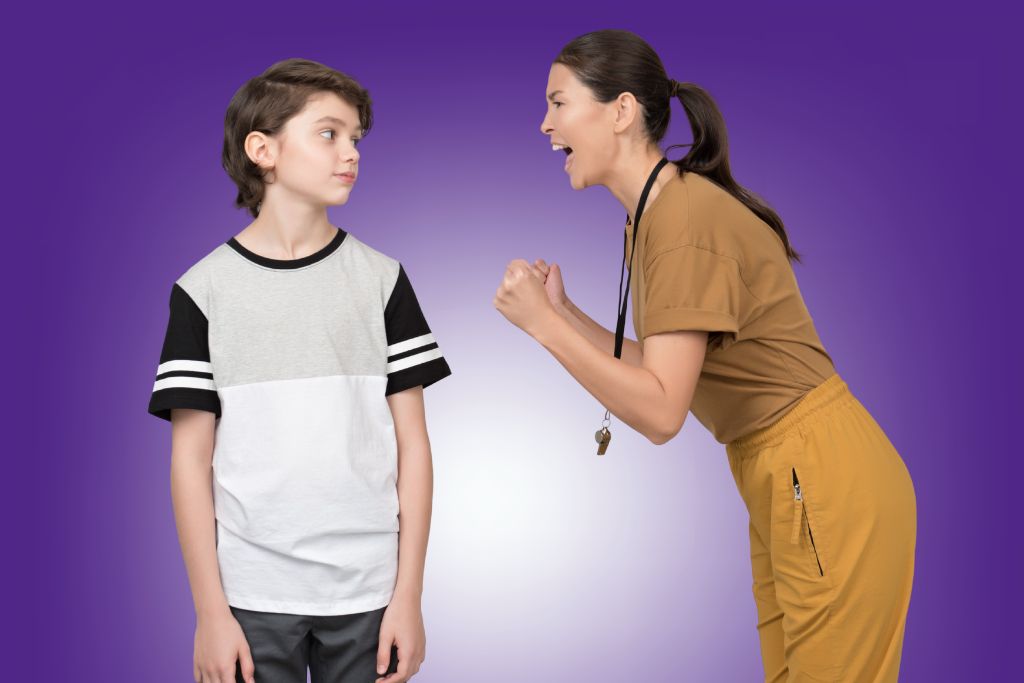
When your child pushes back, argues, or melts down, their brain has shifted into fight, flight, or freeze. The thinking brain goes offline. So your calm explanations? They literally can’t process them.
What this means:
Real-life example:
You calmly explain why it’s time to turn off the iPad. Your child explodes anyway. You repeat yourself more calmly. They escalate more. Why? Because you’re talking to a brain that’s not available.
Emotional dysregulation happens when a child’s “stress cup” is too full. Sensory overload, lack of sleep, anxiety, frustration—it all builds up.
Once that cup spills over, the nervous system shifts into protection mode.
And here’s the key: what you’re seeing is a stress response, not misbehavior.
Common triggers:
Real-life example:
Your child melts down over socks feeling “wrong.” It seems small—but their nervous system is already maxed out. That sock is just the tipping point.
VISUAL: “What a dysregulated brain needs first”
If you’re wondering how to calm a dysregulated child, the answer isn’t more talking—it’s more regulating.
Calm the brain first.
When your child is escalated, your job is not to teach, correct, or win. It’s to stabilize the nervous system.
Start here:
Real-life example:
Instead of repeating instructions louder, you sit nearby, soften your tone, and say, “I’m here. We’ll figure this out.” You’re not giving in—you’re helping their brain come back online.
Regulation First Parenting™ is about getting the sequence right:
Regulate → Connect → Correct
Most parenting approaches skip straight to correction. But when you lead with regulation, everything changes.
Because all of your good strategies won’t work unless you regulate first.
What this looks like:
Real-life example:
After a meltdown, instead of lecturing, you wait. Later, you talk through what happened. Now your child can actually hear you—and learn.
You don’t have to figure this out alone.
Become a Dysregulation Insider VIP and get your FREE Regulation Rescue Kit:
How to Stay Calm When Your Child Pushes Your Buttons and Stop Oppositional Behaviors.
Head to www.drroseann.com/newsletter and start your calm parenting journey today.
Because when the nervous system feels threatened, it defends.
Strong-willed kids don’t back down—they double down.
So the more you push, the more they push back.
What’s really happening:
Key shifts:
Real-life example:
You insist they put shoes on NOW. They refuse harder. Instead, you pause, regulate yourself, and say, “Let’s take a breath together.” The power struggle softens.
A big one. Maybe the biggest.
Your child is borrowing your nervous system.
If you escalate, they escalate. If you regulate, they have a pathway back to calm.
This isn’t about perfection—it’s about consistency.
Focus on:
Real-life example:
You snap after a long day. Later, you say, “I got overwhelmed. I’m working on staying calm.” That repair teaches more than any lecture ever could.
“You’re not going to discipline out dysregulation—you have to regulate the nervous system first, or nothing else will stick.”
— Dr. Roseann
The bottom line: It’s not about being gentler or stricter
It’s about being more precise.
You don’t need to parent harder—you need to parent in the right order.
And this is exactly what I teach inside The Dysregulated Kid—simple, actionable steps to help you respond in the moment, build connection, and create lasting change.
There is a path forward. Start with one shift: Calm the brain first.
Once you see behavior through a nervous system lens, everything changes. It’s gonna be OK.
Start with co-regulation. Stay calm, reduce stimulation, and connect first. Teaching comes later.
Often, it’s dysregulation. What looks like defiance is usually a nervous system in fight mode.
Because the thinking brain is offline. Your child literally can’t process logic in that moment.
Yes. With consistent co-regulation and the right support, they build real, lasting skills.
Every child’s journey is different. That’s why cookie-cutter solutions don’t work.
Take the free Solution Matcher Quiz and get a customized path to support your child’s emotional and behavioral needs—no guessing, no fluff.
Start today at www.drroseann.com/help
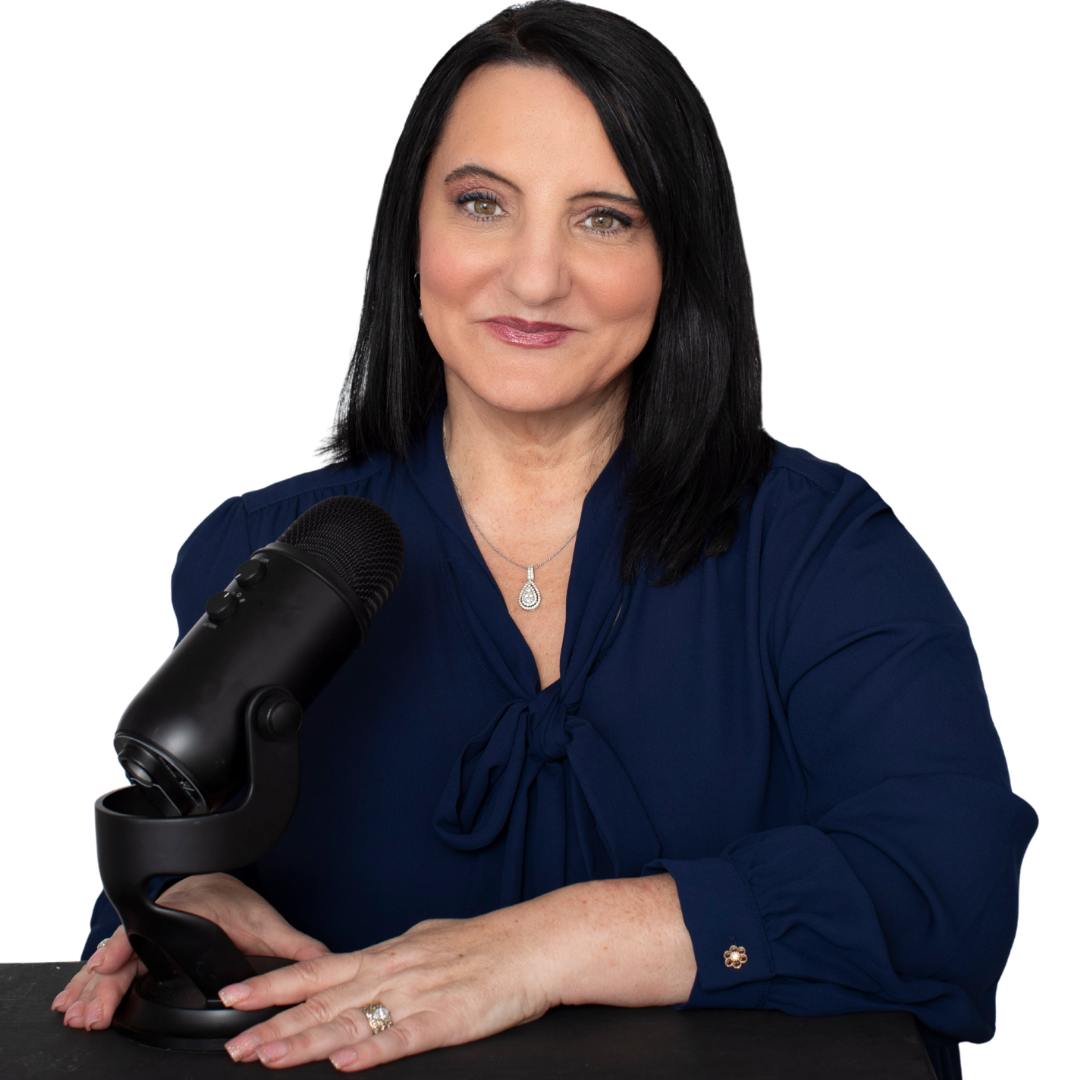
Dr. Roseann Capanna-Hodge is a licensed therapist, certified school psychologist, and leading expert in emotional dysregulation in children. With over 30 years of experience, she helps parents understand the root causes of meltdowns, anxiety, ADHD, and challenging behavior through the lens of nervous system regulation. Dr. Roseann teaches practical, science-backed strategies for co-regulation and how to calm a dysregulated child using her Regulation First Parenting™ approach. She is the host of the Dysregulated Kids Podcast and author of The Dysregulated Kid.
Dr. Roseann Capanna-Hodge
Emotional Dysregulation in Children & Nervous System Expert
Regulation First Parenting™ | CALMS Protocol™
Host of the Dysregulated Kids Podcast (Top 1% Globally)
Author of The Dysregulated Kid