Find Your Solution
In 3 minutes, you’ll know where to start ➤
%20.png)





Why bedtime is a battle for ADHD and anxious kids often comes down to nervous system overload—not misbehavior. Learn why your child suddenly “wakes up” at night, what’s really driving bedtime resistance, and simple nervous system regulation strategies that actually help calm evenings.
One minute your child is exhausted and zoning out… and the next, the moment you say “bedtime,” they’re suddenly wired, emotional, and full of requests.
This isn’t defiance. It’s a dysregulated nervous system shifting states too quickly without the tools to settle.
Today, you’ll learn why bedtime becomes the hardest transition of the day, what’s happening inside your child’s brain and body, and how to use nervous system regulation in children to finally create calmer nights.
This isn’t just about bedtime—it’s about your child’s nervous system struggling to shift states. When we don’t support that transition, stress builds night after night. And over time, it shows up as bigger emotional and behavioral challenges.
Bedtime battles are incredibly common for ADHD and anxious kids because nighttime requires the hardest skill of all: shifting from activation to regulation.
During the day, children are managing school demands, social pressure, sensory input, and constant transitions. Their nervous system is “on” all day long. By nighttime, they are not just tired—they are overloaded.
For anxious kids, slowing down brings worries forward. For ADHD kids, stillness can feel physically uncomfortable, triggering restlessness or hyperactivity.
What this looks like at home:
Key takeaways:
Real-life example: A 9-year-old who was yawning during dinner suddenly becomes energetic and argumentative the moment pajamas come out.
This is why understanding why bedtime is a battle for ADHD and anxious kids starts with the brain—not the behavior.
That “sudden burst of energy” at night is often a stress response. When the body is overtired, it can release adrenaline to keep going—creating what parents see as hyperactivity, silliness, or refusal to settle.
This is especially common in children with ADHD or high anxiety because their stress response system is already working overtime during the day.
What’s really happening:
What helps:
Real-life example: A child who was exhausted during homework suddenly becomes “silly and loud” at bedtime, crashing onto the couch instead of winding down.
This isn’t intentional. It’s biology.
And this is where parent emotional regulation matters most—because your calm is the catalyst for their calm.
To understand why bedtime is a battle for ADHD and anxious kids, we have to look at the full day—not just bedtime.
Many children are holding it together all day long. This is called stress accumulation or “stress cup overflow.” By nighttime, their nervous system has no more capacity left.
For ADHD kids, this includes:
For anxious kids:
What helps reset the system:
VISUAL: After-school to bedtime regulation bridge
Real-life example: A child who “holds it together” all day at school melts down the moment they get home and again at bedtime—because their nervous system finally releases what it has been holding in.
This is not misbehavior. It’s overflow.
And once you see this through a nervous system lens, everything changes.
Want to stay calm when your child pushes every button?
Become a Dysregulation Insider VIP and get the FREE Regulation Rescue Kit—your step-by-step guide to stop oppositional behaviors without yelling or giving in.
Go to www.drroseann.com/newsletter and grab your kit today.
One of the biggest mistakes parents make is trying to force calm. But you cannot force a nervous system to regulate. You have to guide it there.
So instead of correction first, we start with connection.
How to calm a dysregulated child effectively:
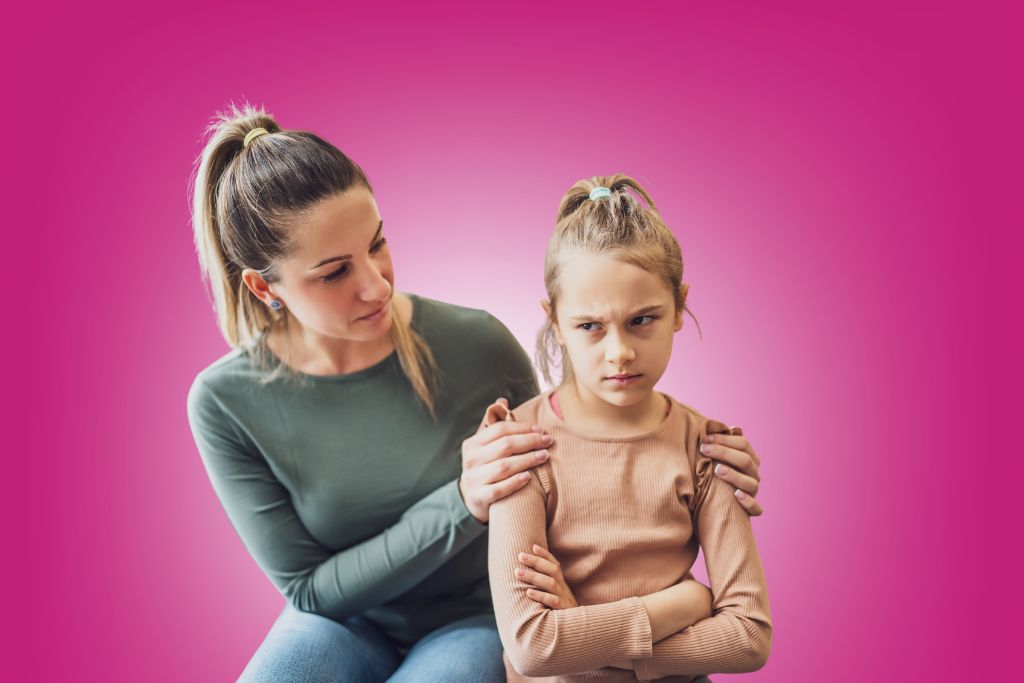
Real-life example: A parent trying to rush bedtime keeps repeating instructions, but the child escalates. When the parent instead sits quietly beside them and reads softly, the child gradually begins to settle.
This is co-regulation in action.
Remember:
Bedtime removes structure. It removes distractions. And it exposes everything the nervous system has been suppressing all day.
That’s why parenting a dysregulated child often feels most intense at night.
This is also when parents are most exhausted—making regulation harder for everyone in the home.
What helps parents most:
You are not failing. You are witnessing a nervous system that needs support—not discipline.
“Your child isn’t fighting bedtime—they’re struggling with the transition from activation to regulation. When we calm the brain first, everything else follows.”— Dr. Roseann
Bedtime is a nervous system shift, not a battle
If bedtime feels like chaos in your home, the most important shift is this: your child is not giving you a hard time—they are having a hard time transitioning their nervous system.
When you slow things down and prioritize co-regulation, bedtime stops being a battle and starts becoming a bridge into rest.
It’s not about doing more—it’s about doing the right things in the right order.
And you don’t have to figure this out alone. Support is available, and change is absolutely possible.
If you’re ready for the next step, explore tools and resources like the Quick CALM or The Dysregulated Kid to help you understand your child’s unique nervous system pattern and what actually works for them.
Focus on slowing the nervous system with dim lights, quiet activities, and co-regulation. Connection before correction helps your child shift from activation into calm more effectively.
Most bedtime resistance is dysregulation, not defiance. A tired brain can flip into adrenaline-driven behavior that looks like opposition but is actually stress overload.
ADHD impacts executive function and self-regulation, making it harder to shift from high energy to rest. The brain often stays “on,” even when the body is tired.
A 10–30 minute wind-down window helps the nervous system transition. Abrupt changes from activity to sleep often trigger resistance and emotional escalation.
Not sure where to start?
Take the guesswork out of helping your child.
Use our free Solution Matcher to get a personalized plan based on your child’s unique needs—whether it’s ADHD, anxiety, mood issues, or emotional dysregulation.
In just a few minutes, you'll know exactly what support is right for your family.
Start here: www.drroseann.com/help
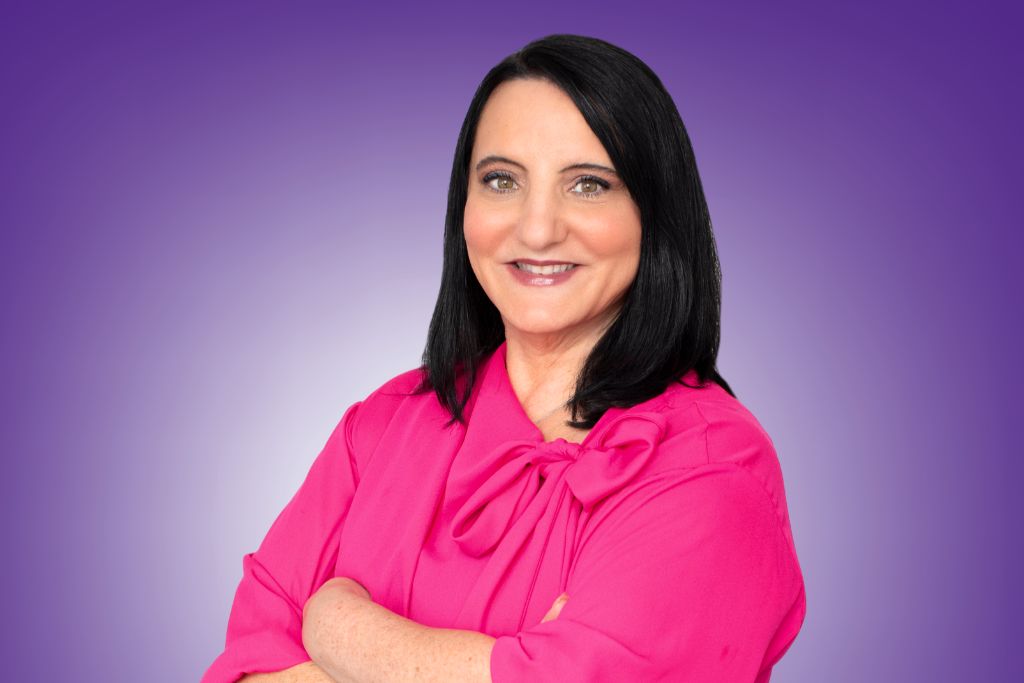
Dr. Roseann Capanna-Hodge is a licensed therapist, certified school psychologist, and leading expert in emotional dysregulation in children. With over 30 years of experience, she helps parents understand the root causes of meltdowns, anxiety, ADHD, and challenging behavior through the lens of nervous system regulation. Dr. Roseann teaches practical, science-backed strategies for co-regulation and how to calm a dysregulated child using her Regulation First Parenting™ approach. She is the host of the Dysregulated Kids Podcast and author of The Dysregulated Kid.
Dr. Roseann Capanna-Hodge
Emotional Dysregulation in Children & Nervous System Expert
Regulation First Parenting™ | CALMS Protocol™
Host of the Dysregulated Kids Podcast (Top 1% Globally)
Author of The Dysregulated Kid