Find Your Solution
In 3 minutes, you’ll know where to start ➤
%20.png)





How to Stay Calm When Your Child Is Screaming at You is one of the most searched parenting questions—and for good reason. In the middle of chaos, your nervous system gets hijacked too. Learn how co-regulation techniques help you stay steady, calm the brain first, and break the meltdown cycle.
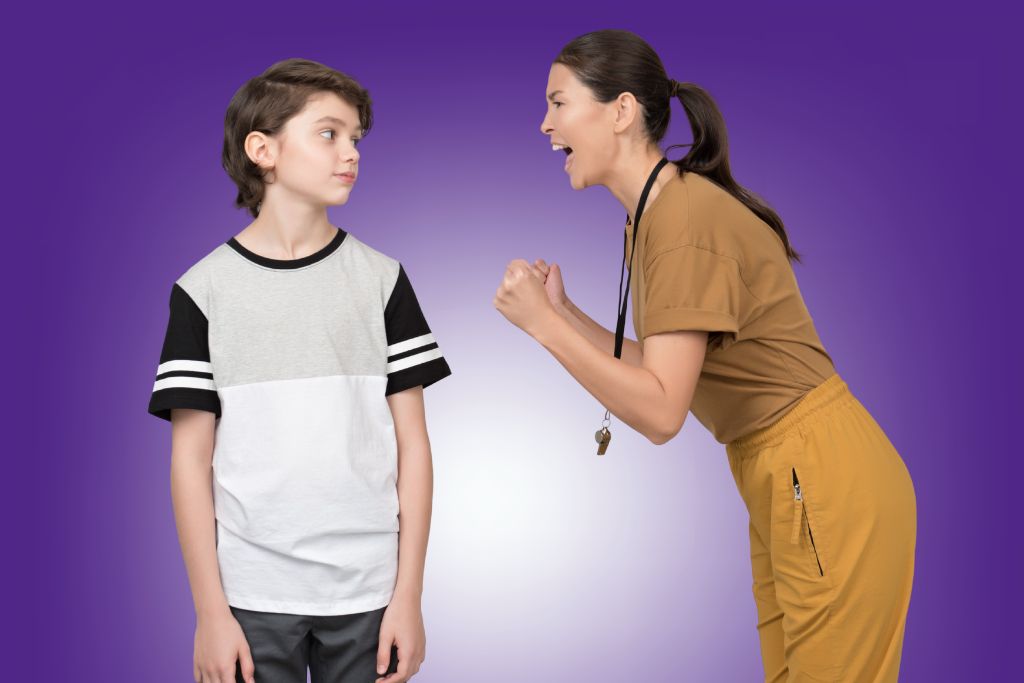
When you’re asking How to Stay Calm When Your Child Is Screaming at You, you’re really asking: How do I not lose myself when my child is completely losing control? In that moment, your child’s nervous system is exploding—and yours is right behind it.
This guide will help you understand what is actually happening in your child’s brain, why your body reacts so intensely, and how to use co-regulation parenting to stay grounded when everything feels chaotic. Most importantly, you’ll learn what to do in those first critical seconds when everything is escalating.
When you learn how to stay regulated, you’re not just stopping a meltdown—you’re rewiring how your child’s brain learns to handle stress.
Every moment you choose calm over reaction, you’re teaching your child safety, not fear. This is how you break the cycle—for them and for you.
This isn’t about being a “perfect” parent. It’s about learning how to stay regulated enough so your child can find their way back to calm through you.
When your child is screaming, crying, or saying hurtful things, your nervous system immediately reacts. That tight chest, racing heart, and urge to yell back? That’s biology—not failure.
This is what we call a stress response in both of you. Their dysregulated brain is sending signals of danger, and your brain mirrors it instantly.
The result is a cycle of escalation: co-dysregulation. And without awareness, it keeps feeding itself.
What’s really happening underneath:
Real-life example:
Your child comes home from school, drops their backpack, and within seconds is yelling over homework. You try to reason. They escalate. You escalate. Suddenly, it feels like you’re both in a battle you didn’t start—but can’t stop.
VISUAL: The escalation cycle
Let’s reframe the question. Instead of “How do I stay calm?” the real question is: “How do I stop my nervous system from escalating further?”
That shift is everything. Because you don’t need perfection—you need regulation in motion.
This is the foundation of Co-Regulation Parenting. Your calm becomes the anchor your child’s brain borrows.
Simple regulation shifts that actually work:
Real-life example:
Your child is yelling, “I hate you!” Instead of responding immediately, you take one breath, soften your shoulders, and say one calm phrase: “I hear you’re really upset.” Nothing else. No lecture. Just steadiness.
This is how you begin to break the escalation loop.
When children melt down, it’s not because they’re choosing chaos—it’s because their nervous system is overwhelmed. Their brain is in survival mode, not thinking mode.
This is why traditional discipline often fails in these moments. You can’t teach regulation to a dysregulated brain—you have to model it.
Common triggers of dysregulation:
What helps in the moment:
Real-life example:
After school, your child explodes over a “small” request like taking off shoes. It’s not about shoes—it’s about a full day of holding it together finally spilling over.
Co-Regulation Parenting is the practice of using your regulated nervous system to help your child’s nervous system settle.
It’s not about fixing the behavior first. It’s about stabilizing the brain first.
When your child is screaming, your presence—not your words—is the intervention.
Core co-regulation techniques:
Real-life example:
Your child is on the floor crying and yelling. Instead of trying to explain consequences, you sit nearby, breathe slowly, and simply say: “I’m here when you’re ready.” That steadiness becomes the bridge back to regulation.
And this is exactly what I teach inside The Dysregulated Kid. Because once you see behavior as nervous system communication, everything changes.
If you’re tired of walking on eggshells or feeling like nothing works…
Get the FREE Regulation Rescue Kit and finally learn what to say and do in the heat of the moment.
Become a Dysregulation Insider VIP at www.drroseann.com/newsletter and take the first step to a calmer home.
Because your brain is designed for survival, not parenting perfection.
When your child screams, your nervous system interprets it as urgency. You feel pressure to fix it, stop it, or control it immediately. That’s where most parents get stuck.
But here’s the truth: you don’t need perfect calm. You need more regulated moments than dysregulated ones.
What helps break the cycle:
Real-life example:
Instead of snapping or lecturing, you step back for a second, breathe, and remind yourself: “This is dysregulation, not disrespect.” That one shift changes everything that follows.
“We don’t need perfect words or perfect consequences—we need a regulated nervous system in the room first.”
— Dr. Roseann
You start by calming your own nervous system first. Co-regulation always comes before correction.
When you lower your voice, slow your body, and reduce your words, you create safety. That safety is what allows your child’s brain to come back online.
What should I do right after a meltdown?
After a meltdown, focus on repair—not punishment. Your child’s brain is still sensitive, so connection matters more than correction.
If you’ve ever felt like your child’s screaming pulls you into a version of yourself you don’t recognize—you’re not alone. This is what nervous system activation looks like, and it can be changed.
When you shift from reaction to regulation, everything begins to soften. Not overnight—but consistently, over time. This is how healing starts.
Start small. One breath. One pause. One regulated moment at a time.
Start with co-regulation. Stay calm, lower your voice, and reduce your words. Your child is borrowing your nervous system, so your steadiness helps bring them back to calm.
Yes—completely. Your brain is wired to react to intensity and perceived threat. That doesn’t make you a bad parent. It means your nervous system needs support too.
Focus on calming first, not correcting. Use a softer tone, fewer words, and a steady presence. When the brain feels safe, behavior improves.
Keep it simple and regulated: “I hear you’re really upset.” Avoid reacting emotionally or correcting in that moment. Connection first—teaching comes later.
Not sure where to start?
Take the guesswork out of helping your child.
Use our free Solution Matcher to get a personalized plan based on your child’s unique needs—whether it’s ADHD, anxiety, mood issues, or emotional dysregulation.
Start here: www.drroseann.com/help
Dr. Roseann Capanna-Hodge is a licensed therapist, certified school psychologist, and leading expert in emotional dysregulation in children. With over 30 years of experience, she helps parents understand the root causes of meltdowns, anxiety, ADHD, and challenging behavior through the lens of nervous system regulation. Dr. Roseann teaches practical, science-backed strategies for co-regulation and how to calm a dysregulated child using her Regulation First Parenting™ approach. She is the host of the Dysregulated Kids Podcast and author of The Dysregulated Kid.
Dr. Roseann Capanna-Hodge
Emotional Dysregulation in Children & Nervous System Expert
Regulation First Parenting™ | CALMS Protocol™
Host of the Dysregulated Kids Podcast (Top 1% Globally)
Author of The Dysregulated Kid