Find Your Solution
In 3 minutes, you’ll know where to start ➤
%20.png)





ADHD or Dysregulation is one of the most important questions parents are asking today. If your child’s focus, behavior, and emotions swing from calm to chaos, this episode helps you understand what’s really going on beneath the surface—and what to do next.
If you’ve been asking yourself whether it’s ADHD or Dysregulation, you’re not alone—and you’re not wrong to question it. Many parents are told “it’s ADHD,” when what they’re actually seeing is a child whose nervous system can’t stay in a regulated state.
Here’s the truth: your child’s behavior is not random. It’s not laziness or defiance. It’s a reflection of nervous system state shifts—and once you see that, everything starts to make sense.
In this episode-inspired guide, you’ll learn how to tell the difference between ADHD and emotional dysregulation, why your child can focus intensely on some things but not others, and what actually helps calm their brain so they can access the skills they already have.
When you start viewing behavior through the lens of ADHD or Dysregulation, you stop reacting to symptoms and start understanding the root cause. That shift alone changes everything in your home.
Your child is not broken. Their nervous system is communicating. And once you learn to see the state beneath the behavior, you can finally respond in a way that creates real change.
It’s not about doing more—it’s about doing the right thing first: regulation.
This is one of the biggest clues that what you’re seeing may not be just ADHD—but ADHD or Dysregulation in the nervous system.
A child who can spend hours on Legos, video games, or drawing—but cannot sit through homework—is not choosing when to focus. Their brain is shifting states based on interest, stress, and regulation capacity.
When the nervous system is regulated, attention flows. When it’s not, focus collapses.
Real-life example:
Your child builds an elaborate LEGO world for two hours but melts down after five minutes of math homework. It feels inconsistent—but it’s actually a regulated vs. dysregulated brain state shift.
Parents often wonder if rapid emotional shifts mean emotional dysregulation in children or ADHD. The answer is: it can be both—but often, dysregulation is the missing layer.
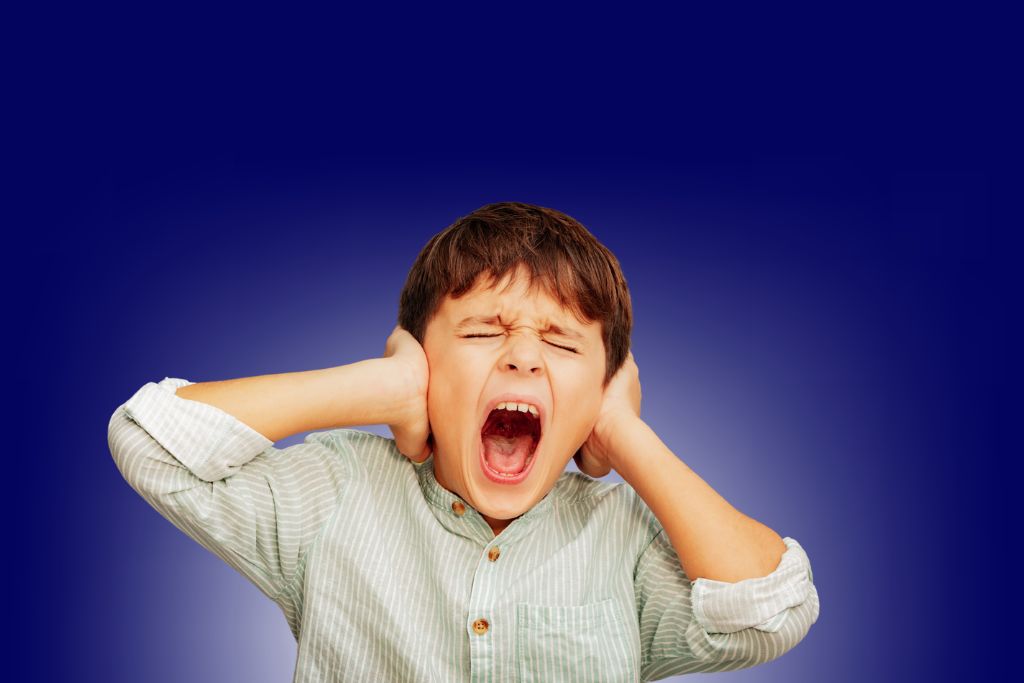
A regulated brain can tolerate frustration, transitions, and limits. A dysregulated brain cannot. That’s when you see sudden overwhelm, explosive reactions, or emotional shutdown.
This is not willful behavior—it’s a stress response.
Real-life example:
Your child is fine during breakfast, then explodes over putting on socks. Nothing “big” happened—but their nervous system tipped into overwhelm.
You don’t have to figure this out alone.
Become a Dysregulation Insider VIP and get your FREE Regulation Rescue Kit: How to Stay Calm When Your Child Pushes Your Buttons and Stop Oppositional Behaviors.
Head to www.drroseann.com/newsletter and start your calm parenting journey today.
This is where many parents misinterpret behavior as laziness—but in reality, it often reflects under-activation in the nervous system, not lack of effort.
When the brain isn’t fully engaged, it pulls back to conserve energy. That can look like procrastination, avoidance, or emotional flatness.
But underneath? Most kids care deeply.
Real-life example:
Your child stares at their homework for 20 minutes, says “I don’t care,” and walks away. Later, they panic the night before it’s due. The care was always there—the access wasn’t.
“Regulation is the pathway to everything—focus, emotional health, relationships, and lifelong success. Without it, skills don’t stick.”
— Dr. Roseann
This is where everything shifts. Because the goal is not correction first—it’s regulation first. If the nervous system is activated, logic won’t land.
When parents slow down and co-regulate first, children regain access to thinking, flexibility, and control.
VISUAL: “Before you respond, ask this:”
Real-life example:
Instead of saying “Calm down and do your homework,” you sit beside your child, lower your voice, and help their body settle first. Only then do you problem-solve.
Your child is not giving you a hard time—they’re having a hard time. What looks like ADHD or Dysregulation is often a nervous system that is stuck between overwhelm and under-activation.
You don’t need to get it perfect. You just need to start with regulation first.
And most importantly—this is not about doing more. It’s about responding differently.
Take one breath. Slow it down. Start with calm.
If you’re ready to really understand what’s happening beneath your child’s behavior, join the Regulated Child Summit—where we break down how to calm the nervous system and stop cycles of dysregulation at the root. This is where clarity replaces confusion.
And if you’re ready for deeper support, The Dysregulated Kid gives you the step-by-step roadmap to understand your child’s nervous system and respond in a way that actually works.
Because when you regulate first, everything else has a chance to follow.
Start with co-regulation. Stay calm, reduce demands, and help their body settle before trying to teach or correct behavior.
Often what looks like defiance is actually a stress response. A dysregulated child cannot access skills in the moment, even if they know them.
Yes. ADHD and emotional dysregulation often overlap, but dysregulation explains the state shifts that impact focus, behavior, and emotional control.
Small triggers often hit a nervous system that is already overloaded. The meltdown is the overflow—not the cause.
Feel like you’ve tried everything and still don’t have answers?
The Solution Matcher helps you find the best starting point based on your child’s symptoms, behaviors, and history.
It’s fast, free, and based on decades of clinical expertise.
Get your personalized plan now at www.drroseann.com/help
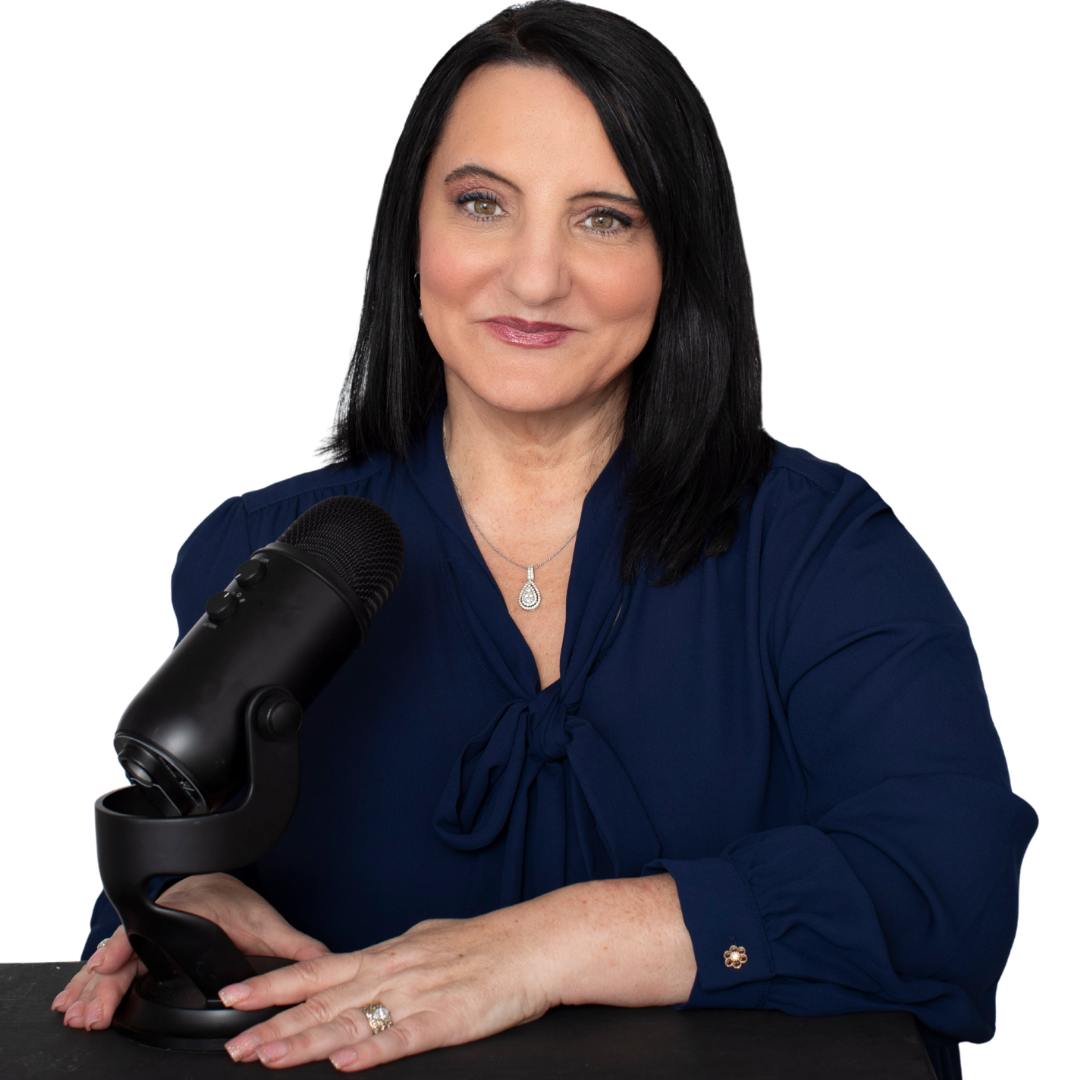
Dr. Roseann Capanna-Hodge is a licensed therapist, certified school psychologist, and leading expert in emotional dysregulation in children. With over 30 years of experience, she helps parents understand the root causes of meltdowns, anxiety, ADHD, and challenging behavior through the lens of nervous system regulation. Dr. Roseann teaches practical, science-backed strategies for co-regulation and how to calm a dysregulated child using her Regulation First Parenting™ approach. She is the host of the Dysregulated Kids Podcast and author of The Dysregulated Kid.
Dr. Roseann Capanna-Hodge
Emotional Dysregulation in Children & Nervous System Expert
Regulation First Parenting™ | CALMS Protocol™
Host of the Dysregulated Kids Podcast (Top 1% Globally)
Author of The Dysregulated Kid