Find Your Solution
In 3 minutes, you’ll know where to start ➤
%20.png)





Trusting your parenting instincts can feel impossible when others say “everything’s fine.” If your child melts down at home but holds it together at school, this guide explains why—and what to do next using a nervous system–first approach.
If you’ve ever questioned yourself—“Am I overreacting?”—you’re not alone. Trusting your parenting instincts can feel incredibly hard when the world tells you to wait, ignore, or normalize what doesn’t feel right. But here’s the truth: what you’re seeing in your child is real—and it matters.
When we look at behavior through a nervous system lens, everything shifts. What looks like defiance or moodiness is often emotional dysregulation in children. And when you learn how to read those signals, you can finally take the right next step.
Let’s break down what your instincts are really telling you—and how to turn them into action using Regulation First Parenting™.
If you ignore your parenting instincts, you don’t miss a phase—you miss a pattern.
What looks like “behavior” is often your child’s nervous system asking for help.
When you calm the brain first, everything you’ve been trying suddenly starts to work.
This is one of the most common (and confusing) experiences in parenting a dysregulated child.
At school, your child’s nervous system is working overtime. They’re holding it together—following rules, managing emotions, staying focused. But that effort drains their stress capacity.
When they get home? That’s where the release happens.
Real-life example:
Your child walks in the door after school and explodes over something small—like a snack or homework. It feels sudden, but it’s not. Their nervous system has been under pressure all day.
VISUAL: “After-school meltdown checklist”
This isn’t bad behavior—it’s a nervous system crash.
This is where so many parents get stuck.
There’s a difference between intuition and anxiety—and learning to tell them apart is powerful.
When you’re trusting your parenting instincts, you’re noticing patterns—not spiraling in fear.
Real-life example:
You notice your child always melts down after social events. That’s intuition pointing to sensory overload—not something to ignore.
What to do instead:
This is how you move from doubt to clarity.
When parents override their instincts, they often delay the support their child actually needs.
And here’s the hard truth: you don’t need a diagnosis to take action.
If your child is struggling, that’s enough.
Real-life example:
A parent is told, “It’s just a phase.” Meanwhile, their child is having daily meltdowns, sleep struggles, and anxiety. Months pass—and things get harder.
This is a pattern I see every day.
Once you see behavior as communication, you stop waiting for labels and start responding to needs.
This is where everything changes.
Instead of spiraling, shift into action—just like Dr. Roseann’s mother, Philomena, modeled so powerfully.
Ask yourself one simple question:
“What am I going to do about it?”
Then:
Real-life example:
You realize your child does great in the morning but struggles after school. That insight leads you to adjust routines—snack, downtime, connection first.
This is the foundation of how to calm a dysregulated child—you respond to the nervous system, not just the behavior.
Want to stay calm when your child pushes every button?
Become a Dysregulation Insider VIP and get the FREE Regulation Rescue Kit—your step-by-step guide to stop oppositional behaviors without yelling or giving in.
Go to www.drroseann.com/newsletter and grab your kit today.
Regulation First Parenting™ means you don’t jump to discipline—you start with calming the brain.
Because here’s the truth:
If you don’t regulate the nervous system first, nothing else will stick.
Real-life example:
Instead of saying, “Stop yelling,” you sit beside your child and say, “I see you’re overwhelmed. Let’s calm your body first.”
That moment? That’s where change begins.
This is also how you build self-regulation skills for children—by modeling it first.
This is one of the hardest parts.
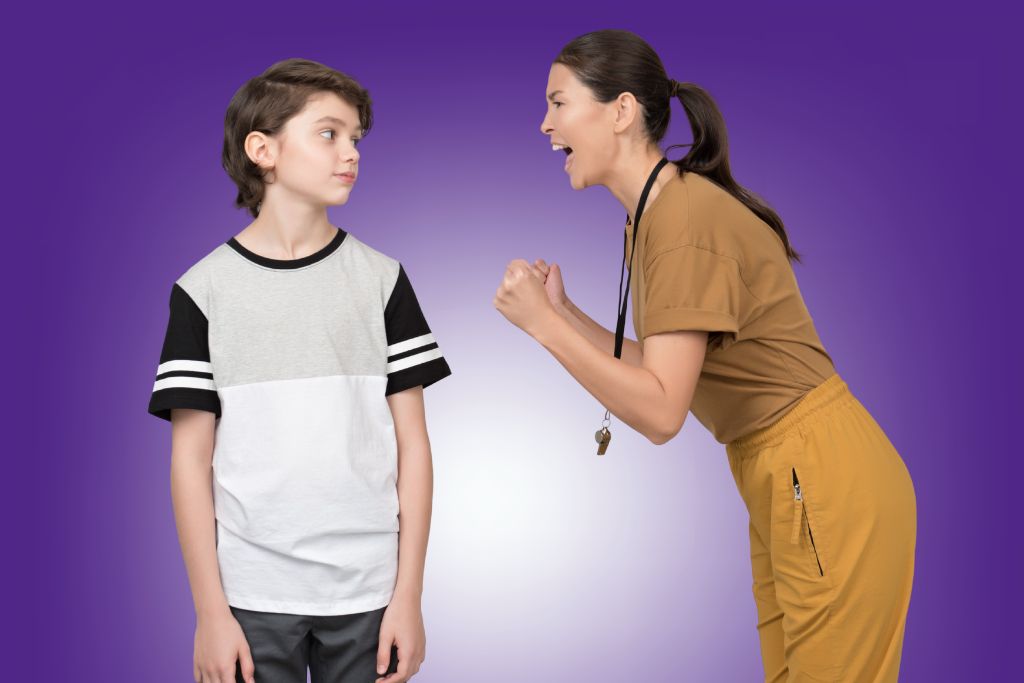
Teachers, family, even professionals may not see the same struggles you do. But that doesn’t invalidate your experience.
You are with your child in their most vulnerable moments.
Real-life example:
A teacher says your child is “fine,” but at home they’re melting down daily. Both can be true—but only one sees the full nervous system picture.
So instead of asking, “Am I wrong?” try this:
That question will guide you every time.
“Trusting your instinct should lead to observation and action—not fear.”
— Dr. Roseann
Your Instinct Is a Starting Point, Not the Problem
You’re not overreacting. You’re noticing something important.
And when you pair that instinct with the right tools, everything shifts.
This isn’t about being perfect—it’s about being responsive. When you calm the brain first, behavior starts to make sense, and your child can finally access the skills they need.
Take one step today:
And if you want to go deeper, this is exactly what I teach inside The Dysregulated Kid—how to turn confusion into clarity and action.
Start with co-regulation. Stay calm, connect, and help your child feel safe before teaching skills or setting expectations.
Often, it’s dysregulation. If behavior is intense, unpredictable, or linked to stress, it’s a nervous system issue—not intentional defiance.
Home is where they feel safe. They’ve been holding it together all day, and their nervous system releases stress when they get home.
Yes. Your instincts help you notice patterns others may miss. When combined with regulation strategies, they guide effective action.
Tired of not knowing what’s really going on with your child?
The Solution Matcher gives you a personalized recommendation based on your child’s behavior, not just a label.
It’s free, takes just a few minutes, and shows you the best next step.
Go to www.drroseann.com/help
Dr. Roseann Capanna-Hodge is a licensed therapist, certified school psychologist, and leading expert in emotional dysregulation in children. With over 30 years of experience, she helps parents understand the root causes of meltdowns, anxiety, ADHD, and challenging behavior through the lens of nervous system regulation. Dr. Roseann teaches practical, science-backed strategies for co-regulation and how to calm a dysregulated child using her Regulation First Parenting™ approach. She is the host of the Dysregulated Kids Podcast and author of The Dysregulated Kid.
Dr. Roseann Capanna-Hodge
Emotional Dysregulation in Children & Nervous System Expert
Regulation First Parenting™ | CALMS Protocol™
Host of the Dysregulated Kids Podcast (Top 1% Globally)
Author of The Dysregulated Kid