Find Your Solution
In 3 minutes, you’ll know where to start ➤
%20.png)





Estimated Reading Time: 5 minutes
Parenting a tween or teen who swings from calm to chaos in seconds can leave you walking on eggshells. One minute they're laughing, and the next they're slamming doors, yelling, or completely shutting down. If you've been wondering what's really going on, you're not alone.
Emotional dysregulation in tweens is far more common than many parents realize. What often looks like attitude, defiance, or moodiness is frequently a nervous system struggling to manage stress.
In this episode, we'll uncover the hidden signs of nervous system dysregulation, explain why they happen, and explore practical ways to help your child find calm again.
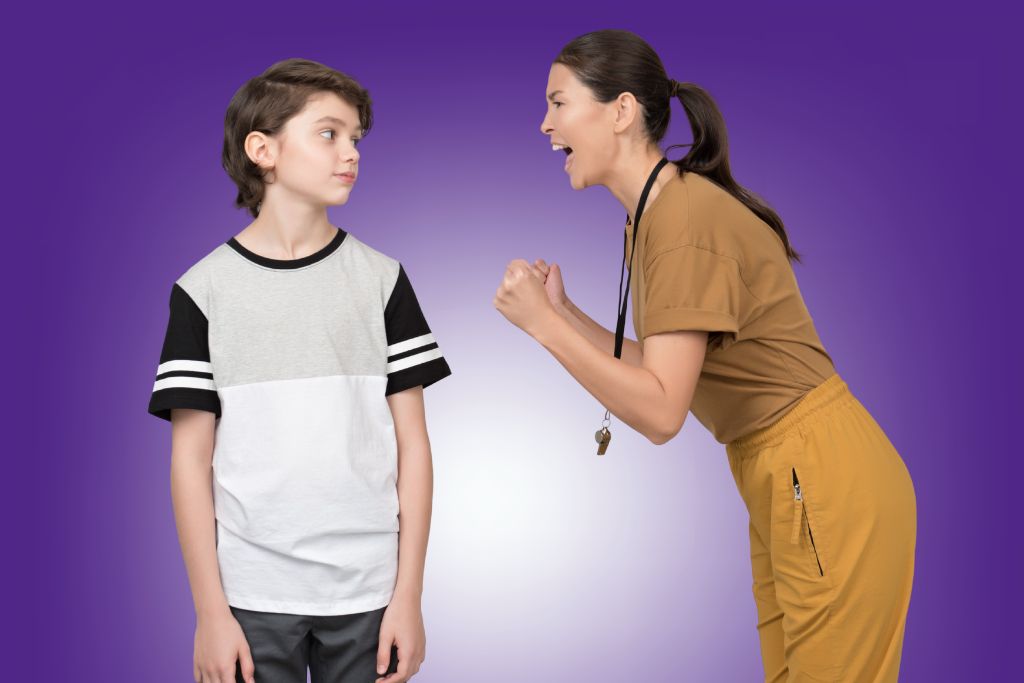
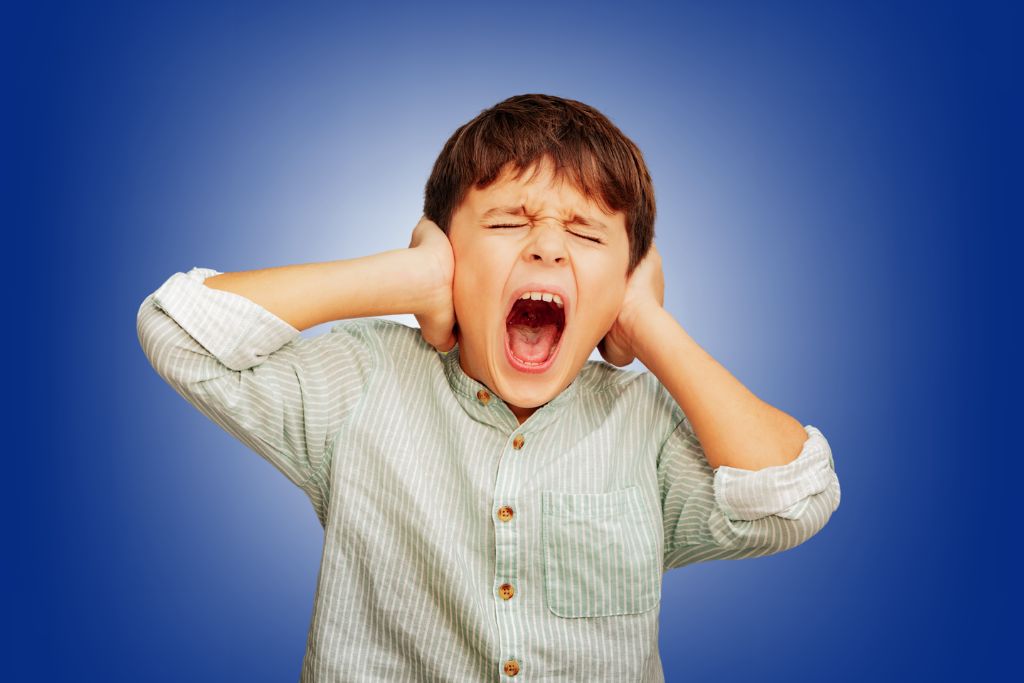
One of the biggest signs of emotional dysregulation in tweens is having an outsized reaction to a seemingly minor problem.
You may notice your child becoming extremely upset over:
The trigger is rarely the real issue.
The nervous system is.
When stress builds throughout the day:
Look for:
These are signs that the nervous system is overwhelmed, not signs of a defiant child trying to make life difficult.
🗣️ “Behavior is communication. Once you learn to read these cues, you stop reacting to the behavior and start guiding your child back to calm.” — Dr. Roseann
Some tweens stay upset long after the original problem is gone.
This is another hallmark of emotional dysregulation in tweens.
When stress hormones remain elevated:
Even when the situation is resolved, the body still feels threatened.
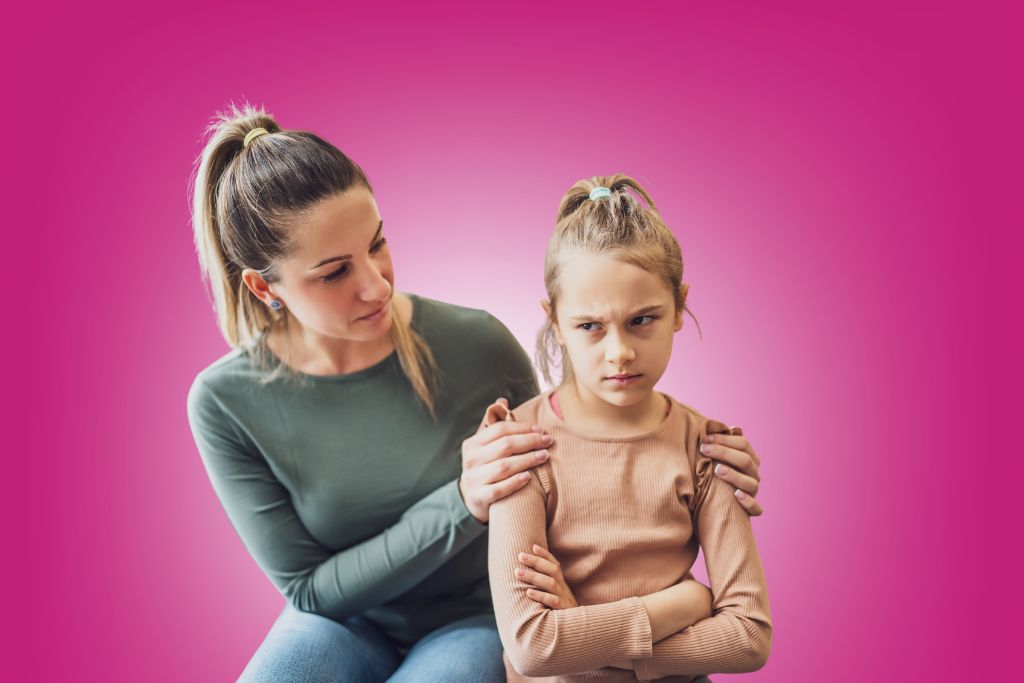
Your nervous system influences theirs.
Before engaging:
Try saying:
Validation helps reduce nervous system threat.
Simple regulation tools include:
The more calm happens, the more calm happens.
Yes.
Many tweens don't express distress through meltdowns.
Instead, they move into freeze mode.
While this can look like attitude, it is often a nervous system response.
Watch for:
Many parents assume these behaviors are normal adolescence.
Sometimes they are.
Other times, they signal deeper dysregulation.
A trauma-informed perspective helps us see these behaviors through a nervous system lens rather than a behavioral one.
It's not bad parenting.
It's a dysregulated brain.
If you're tired of walking on eggshells or feeling like nothing works, get the FREE Regulation Rescue Kit and finally learn what to say and do in the heat of the moment.
Become a Dysregulation Insider VIP at www.drroseann.com/newsletter and take the first step toward a calmer home.
Stress affects far more than emotions.
It directly impacts attention, learning, and executive functioning.
When the nervous system is overwhelmed:
You may notice:
Many children are quickly labeled with ADHD when the real issue is nervous system overload.
This doesn't mean ADHD isn't present.
It means regulation should always be part of the conversation.
A calm brain learns better.
Many tweens and teens struggle to identify what they're feeling.
You may hear:
Meanwhile, their body is clearly communicating distress.
Try saying:
Small signals of safety matter:
These cues help bring the nervous system back online.
Children learn emotional regulation through repeated experiences of feeling safe, seen, and supported.
This is one of the most powerful ways to reduce parental stress and dysregulation while helping your child develop emotional resilience.
The goal is not eliminating stress.
The goal is helping the nervous system recover from it.
Helpful strategies include:
Predictability helps reduce anxiety.
Use:
Your calm nervous system becomes the roadmap for your child.
This remains one of the most effective tools for supporting emotional dysregulation in tweens.
Mood swings, shutdowns, irritability, and poor focus are not character flaws.
They're often signs of a nervous system asking for help.
When we stop asking:
"What's wrong with my child?"
And start asking:
"What does my child's nervous system need right now?"
Everything changes.
Remember:
If your home feels stuck in a cycle of tension and blow-ups, you can start changing that today.
Try Quick Calm and learn how to reset your child's stress response in minutes.
Those “random” mood swings aren’t attitude, they’re nervous system distress signals. When stress hormones build up, your teen’s brain struggles to stay calm. Help them regulate by staying grounded yourself and giving small breaks before reacting.
Sometimes, but constant shutdowns mean your child’s nervous system is overwhelmed, not defiant. It’s freeze mode. Offer calm presence, not lectures. Say, “I’m here when you’re ready.” That safety helps them come back online.
When the stress response is activated, executive functioning shuts down. Focus issues often look like ADHD but are really dysregulation. Calm the brain first, then support focus with structure, rest, and movement.
Start by regulating your nervous system. Take one breath, soften your voice, and name what you see: “This feels big for you.” Validation lowers threat and stops the spiral faster than logic ever will.
If mood swings, sleep problems, or physical complaints persist or interfere with daily life, reach out to a licensed mental health practitioner. A trauma-informed, regulation-based approach can help your teen rebuild balance safely.
When your child is struggling, time matters.Don’t wait and wonder—use the Solution Matcher to get clear next steps, based on what’s actually going on with your child’s brain and behavior.
Take the quiz at www.drroseann.com/help
Dr. Roseann Capanna-Hodge is a licensed therapist, certified school psychologist, and leading expert in emotional dysregulation in children. With over 30 years of experience, she helps parents understand the root causes of meltdowns, anxiety, ADHD, and challenging behavior through the lens of nervous system regulation. Dr. Roseann teaches practical, science-backed strategies for co-regulation and how to calm a dysregulated child using her Regulation First Parenting™ approach. She is the host of the Dysregulated Kids Podcast and author of The Dysregulated Kid.
Dr. Roseann Capanna-Hodge
Emotional Dysregulation in Children & Nervous System Expert
Regulation First Parenting™ | CALMS Protocol™
Host of the Dysregulated Kids Podcast (Top 1% Globally)
Author of The Dysregulated Kid