Find Your Solution
In 3 minutes, you’ll know where to start ➤
%20.png)





Estimated Reading Time: 5 minutes
If your child’s worries spiral into meltdowns and your own nervous system feels overwhelmed, you are not alone. Anxiety can take over quickly, especially in a dysregulated child whose brain feels stuck in fear.
That is why tools like EFT tapping for anxiety can be so powerful. In this episode, Dr. Roseann explains how tapping works, why it helps calm the nervous system, and how parents can use it at home to support emotional regulation in children.
When we calm the brain first, everything else becomes easier.
EFT tapping for anxiety combines gentle tapping on specific acupressure points with simple, supportive statements. This process helps signal safety to the nervous system and reduce stress activation.
When children pair physical tapping with simple words, their brain shifts out of survival mode and into a calmer state.
Your child is overwhelmed about a test and starts to panic. You sit together and tap while saying, “Even though I feel worried about my test, it is going to be OK.” Within minutes, their breathing slows and their body begins to relax.
You do not need complicated routines to begin using EFT tapping for anxiety. Start simple and stay consistent.
Focus on one issue at a time. This helps the brain process and release stress more effectively.
Ask your child to rate how upset they feel.
This helps track progress and build awareness.
Say a short, supportive phrase:
“Even though I feel worried about this, I am safe.”
Start with simple points such as:
These are easy for kids and effective for calming the nervous system.
Complete two to three rounds, then check the SUDS level again. Repeat until the intensity drops.
Many parents worry that their child will not engage with tapping. That is completely normal.
If your child cannot tap, you can:
Your calm nervous system helps regulate theirs. This is a key part of Regulation First Parenting™.
You do not need perfection for EFT tapping for anxiety to be effective. Small shifts matter.
Progress builds confidence and helps children develop awareness of their emotional state.
EFT tapping for anxiety is a safe, accessible tool that can be used alongside other supports.
It can also help parents regulate their own stress, which directly impacts their child.
Some children may not respond well to tapping or structured statements. In those cases, other regulation techniques for kids may be more effective.
Consistency is key. Like any nervous system reset for children, results come with practice.
EFT tapping for anxiety is a simple but powerful way to help a dysregulated child calm their body and mind. When we combine gentle tapping with supportive language, we send the brain a clear message of safety.
Start small. One worry. One tapping point. One round at a time.
Because when you regulate first, everything else follows.
Keep sessions short, just a few minutes, and stop once your child feels calmer.
The clavicle or karate chop point is simple and effective.
Use short, specific phrases such as “Even though I feel worried, I am safe.”
Yes. You can tap on yourself to co regulate or gently tap on them with permission.
If you are tired of walking on eggshells or feeling like nothing works, get the FREE Regulation Rescue Kit and learn what to say and do in the heat of the moment.
Become a Dysregulation Insider VIP at www.drroseann.com/newsletter and take the first step toward a calmer home.
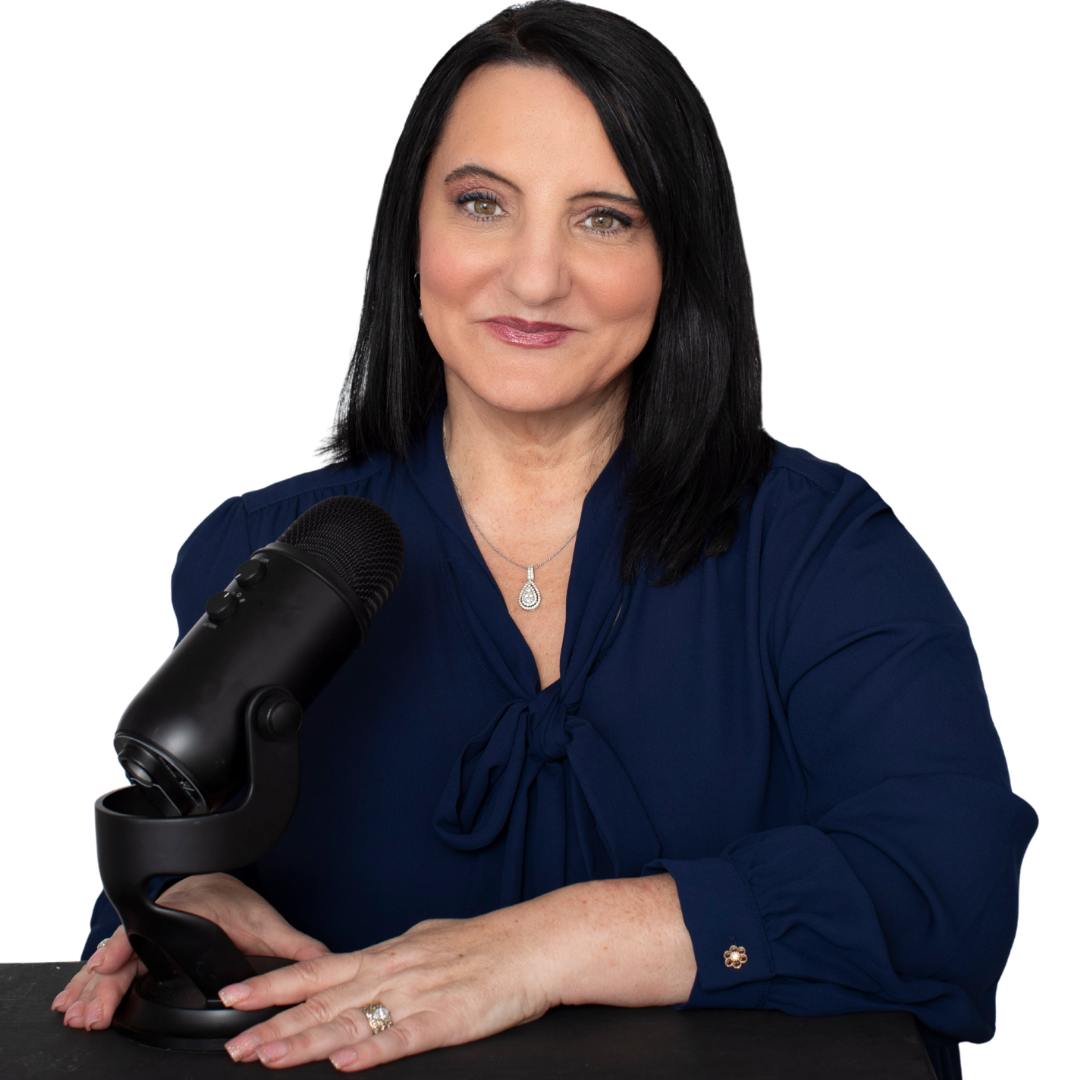
Dr. Roseann Capanna-Hodge is a licensed therapist, certified school psychologist, and leading expert in emotional dysregulation in children. With over 30 years of experience, she helps parents understand the root causes of meltdowns, anxiety, ADHD, and challenging behavior through the lens of nervous system regulation. Dr. Roseann teaches practical, science-backed strategies for co-regulation and how to calm a dysregulated child using her Regulation First Parenting™ approach. She is the host of the Dysregulated Kids Podcast and author of The Dysregulated Kid.
Dr. Roseann Capanna-Hodge
Emotional Dysregulation in Children & Nervous System Expert
Regulation First Parenting™ | CALMS Protocol™
Host of the Dysregulated Kids Podcast (Top 1% Globally)
Author of The Dysregulated Kid