Find Your Solution
In 3 minutes, you’ll know where to start ➤
%20.png)





Struggling with impulsive behaviors and meltdowns? Discover the 5 secret micro habits that build self control in kids and how small daily shifts strengthen executive functioning and emotional regulation. With expertise in Regulation First Parenting™, Dr. Roseann Capanna-Hodge helps families decode dysregulation and build lasting calm.
Self control isn’t about stronger discipline or more motivation. It’s a developmental brain skill built through regulated moments—not punishment. When the nervous system and executive functioning system work together, kids develop the ability to pause, delay gratification, and respond instead of react.
It’s not bad parenting—it’s a dysregulated brain. In this episode, we unpack the 5 secret micro habits that build self control in kids and how small, daily shifts help children develop real self control—without power struggles.
If discipline alone worked, your child would already have self discipline.
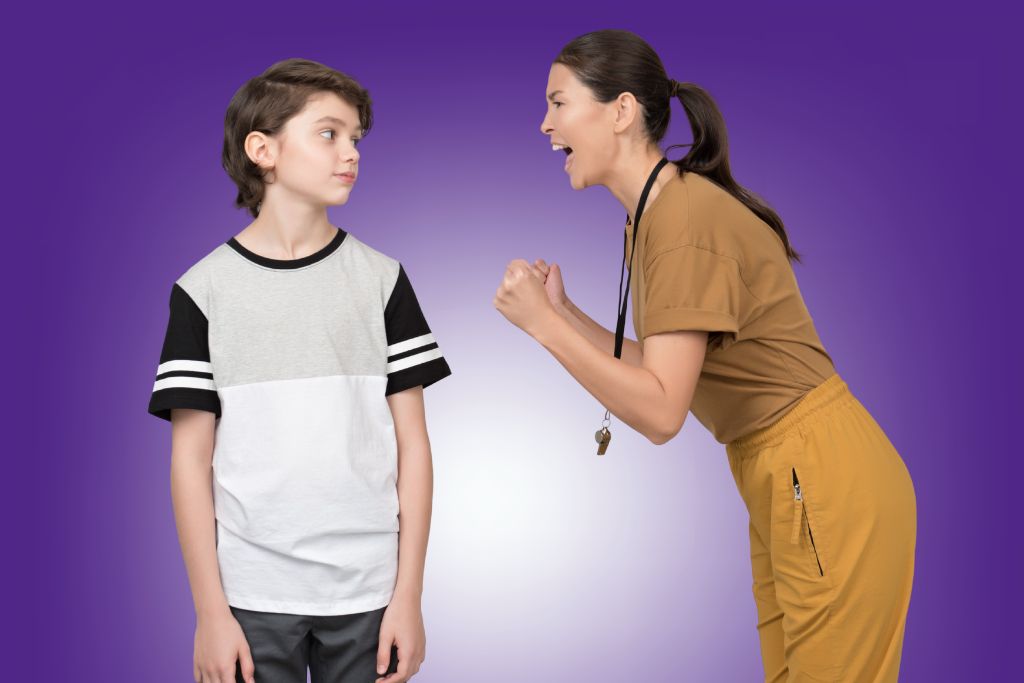
When parents describe a lack of self control, they’re seeing:
Self control depends on a regulated nervous system and strong executive functioning (including working memory, self talk, and emotional control). If either system is offline, your child simply cannot access the skill—yet.
Pressure doesn’t build capacity. It exposes the gap.
🗣️ “Self control is not willpower. It’s a developmental brain skill.” — Dr. Roseann
That shift in understanding changes everything.
Here’s what actually works: micro habits.
These are tiny, repeatable actions that build the brain’s ability to pause, tolerate discomfort, and recover from stress.
Build the pause before the behavior. Self control begins with the ability to pause.
Do this during calm moments—not during meltdowns. The brain learns when regulated.
For instance, before screen time ends at night, practice a breath and pause routine. Over time, your child learns to wait patiently before reacting.
If you want a deeper step-by-step roadmap, The Dysregulated Kid is your parenting playbook for helping your child find calm in a chaotic world.
And for fast nervous system resets, try Quick CALM—a simple, science-backed way to regulate in real time.
It makes sense when you understand cognitive load. Self control collapses when tasks feel overwhelming.
Instead of: “Clean your room.”
Try: “Pick up the clothes on the floor.”
Clarity isn’t lowering expectations. It’s scaffolding executive functioning. When kids develop working memory and planning skills, they can handle bigger responsibilities.
Young children, preschoolers, and even teens benefit from breaking tasks into manageable steps. That small difference builds success.
Want to stay calm when your child pushes every button?
Become a Dysregulation Insider VIP and get the FREE Regulation Rescue Kit—your step-by-step guide to stop oppositional behaviors without yelling or giving in.
Go to www.drroseann.com/newsletter and grab your kit today.
Delay gratification isn’t about forcing patience. It’s about strengthening nervous system regulation and executive functioning.
Try:
This is especially powerful for toddlers and time-blind kids. Making the internal process external helps children develop awareness.
And when you catch them practicing patience—even for five seconds—reinforce it: “You stopped and took a breath before reacting. That’s progress.”
That reinforcement wires the brain toward success.
Number five might be the most powerful: Catch regulation and reinforce it.
Instead of focusing on mistakes:
After a hard moment, say: “You reset and tried again. That shows control.”
Reinforcement builds neural pathways. Over time you’ll notice:
Not because your child is trying harder—but because the skill exists.
Self control isn’t taught in discipline moments. It’s built in regulated ones. Choose one micro habit. Practice it daily for a week. Don’t stack. Don’t rotate. Consistency builds capacity.
You’re not alone. It’s gonna be OK. Every child can develop self control when we build the brain from the bottom up.
How early can children develop self control?
Self control starts developing in toddlers and preschoolers through play, modeling, and co-regulation. Early age experiences matter because they shape executive functioning and emotional regulation.
Why doesn’t punishment teach self control?
Punishment may stop behavior temporarily, but it doesn’t build nervous system regulation or executive functioning—the true foundation of self control.
How do I reduce impulsive behaviors in kids?
Focus on regulation first: breathing, grounding, clear steps, and positive reinforcement of recovery moments.
Can screen time affect self control?
Excess screen time can overstimulate the nervous system. Balance it with movement, connection, and other activities that build focus and patience.
Every child’s journey is different. That’s why cookie-cutter solutions don’t work.
Take the free Solution Matcher Quiz and get a customized path to support your child’s emotional and behavioral needs—no guessing, no fluff.
Start today at www.drroseann.com/help
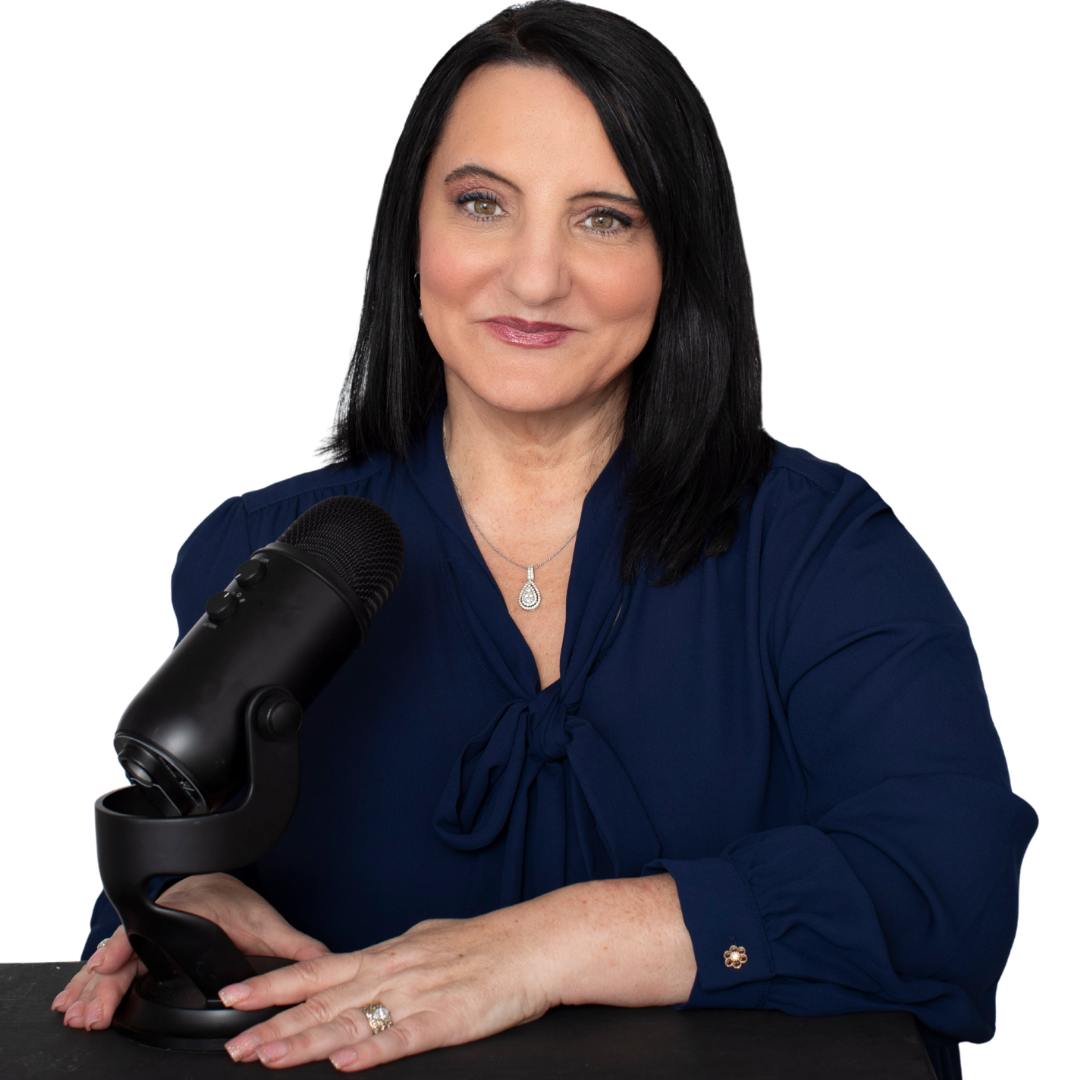
Dr. Roseann Capanna-Hodge is a licensed therapist, certified school psychologist, and leading expert in emotional dysregulation in children. With over 30 years of experience, she helps parents understand the root causes of meltdowns, anxiety, ADHD, and challenging behavior through the lens of nervous system regulation. Dr. Roseann teaches practical, science-backed strategies for co-regulation and how to calm a dysregulated child using her Regulation First Parenting™ approach. She is the host of the Dysregulated Kids Podcast and author of The Dysregulated Kid.
Dr. Roseann Capanna-Hodge
Emotional Dysregulation in Children & Nervous System Expert
Regulation First Parenting™ | CALMS Protocol™
Host of the Dysregulated Kids Podcast (Top 1% Globally)
Author of The Dysregulated Kid