Find Your Solution
In 3 minutes, you’ll know where to start ➤
%20.png)





Estimated Reading Time: 6 minutes
If your child is overwhelmed, explosive, or shut down, it can feel like you’re constantly walking on eggshells. You’re not failing, it’s not bad parenting. These behaviors are signs of a dysregulated child struggling to self-regulate. In this episode, I break down what co-regulation is, how it works, and how RESET TO REGULATE™ can bring lasting calm to both you and your child.
Children aren’t intentionally difficult, their nervous system is overwhelmed. Even when parents model calm, kids may still struggle if:
Behavior is communication. Understanding emotional dysregulation in children helps parents respond with calm and connection, rather than frustration.
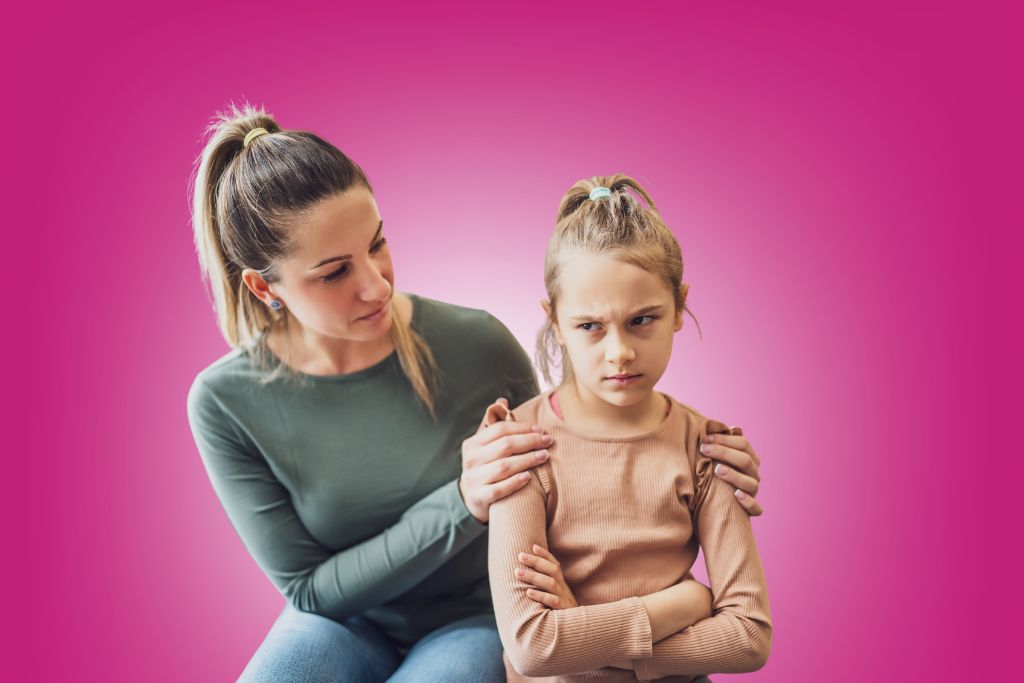
Kids mirror the nervous systems of the adults around them. Your calm becomes their calm. By showing steady breathing, relaxed posture, and predictable responses, you signal safety to your child’s brain.
Key strategies from the episode:
When the brain is calm, everything else follows. This is the foundation of Regulation First Parenting™ —When your child is dysregulated, it’s easy to feel helpless.
Persistent dysregulation is almost always a nervous system imbalance, not defiance. Children who remain stuck may be experiencing:
Even small, consistent co-regulation steps make a big difference in child behavior problems.
Every time you co-regulate, you teach your child that their body can return to calm. Over time, this becomes an internalized skill, self-regulation. Kids learn to:
“When you model regulation by staying calm, attentive, and patient, you teach your child how to self-regulate.” — Dr. Roseann
When your child is dysregulated, it’s easy to feel helpless.The Regulation Rescue Kit gives you the scripts and strategies you need to stay grounded and in control.
Become a Dysregulation Insider VIP at www.drroseann.com/newsletter and get your free kit today.

RESET TO REGULATE™ provides a repeatable plan for parents to pause, regulate themselves, and co-regulate their child—even in the middle of a meltdown.
RESET stands for:
This is not about being calm all the time. It’s about having a plan when things get hard.
Co-regulation isn’t about perfection. It’s about giving your child safety through your steady presence. When you regulate first, your child learns they can, too. RESET TO REGULATE™ is the cornerstone of nervous system regulation in children and sets the stage for teaching skills, emotional control, and improved behavior.
Parental stress and dysregulation support are key components. Your calm becomes the template your child follows.
This episode emphasizes that behavior is communication. By understanding dysregulated children and using RESET TO REGULATE™, parents can calm their child’s nervous system first—then teach skills, build resilience, and improve connection.
Yes. Teens also mirror adult nervous system regulation. Calm modeling works at any age.
Start small, offer choices, and gradually expand. One breath or a short walk can begin the shift.
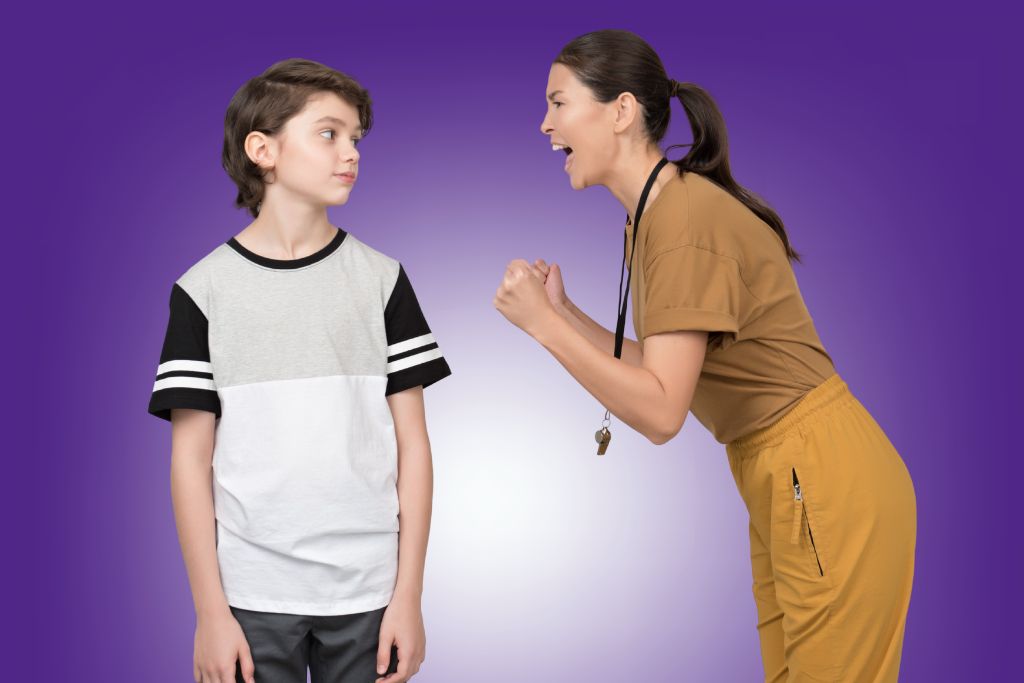
Punishment alone doesn’t teach regulation. Co-regulation and structured supports are far more effective.
Not sure where to start? Take the guesswork out of helping your child.
Use our free Solution Matcher to get a personalized plan based on your child’s unique needs—whether it’s ADHD, anxiety, mood issues, or emotional dysregulation.In just a few minutes, you'll know exactly what support is right for your family.
Start here: www.drroseann.com/help
Dr. Roseann Capanna-Hodge is a licensed therapist, certified school psychologist, and leading expert in emotional dysregulation in children. With over 30 years of experience, she helps parents understand the root causes of meltdowns, anxiety, ADHD, and challenging behavior through the lens of nervous system regulation. Dr. Roseann teaches practical, science-backed strategies for co-regulation and how to calm a dysregulated child using her Regulation First Parenting™ approach. She is the host of the Dysregulated Kids Podcast and author of The Dysregulated Kid.
Dr. Roseann Capanna-Hodge
Emotional Dysregulation in Children & Nervous System Expert
Regulation First Parenting™ | CALMS Protocol™
Host of the Dysregulated Kids Podcast (Top 1% Globally)
Author of The Dysregulated Kid