Find Your Solution
In 3 minutes, you’ll know where to start ➤
%20.png)





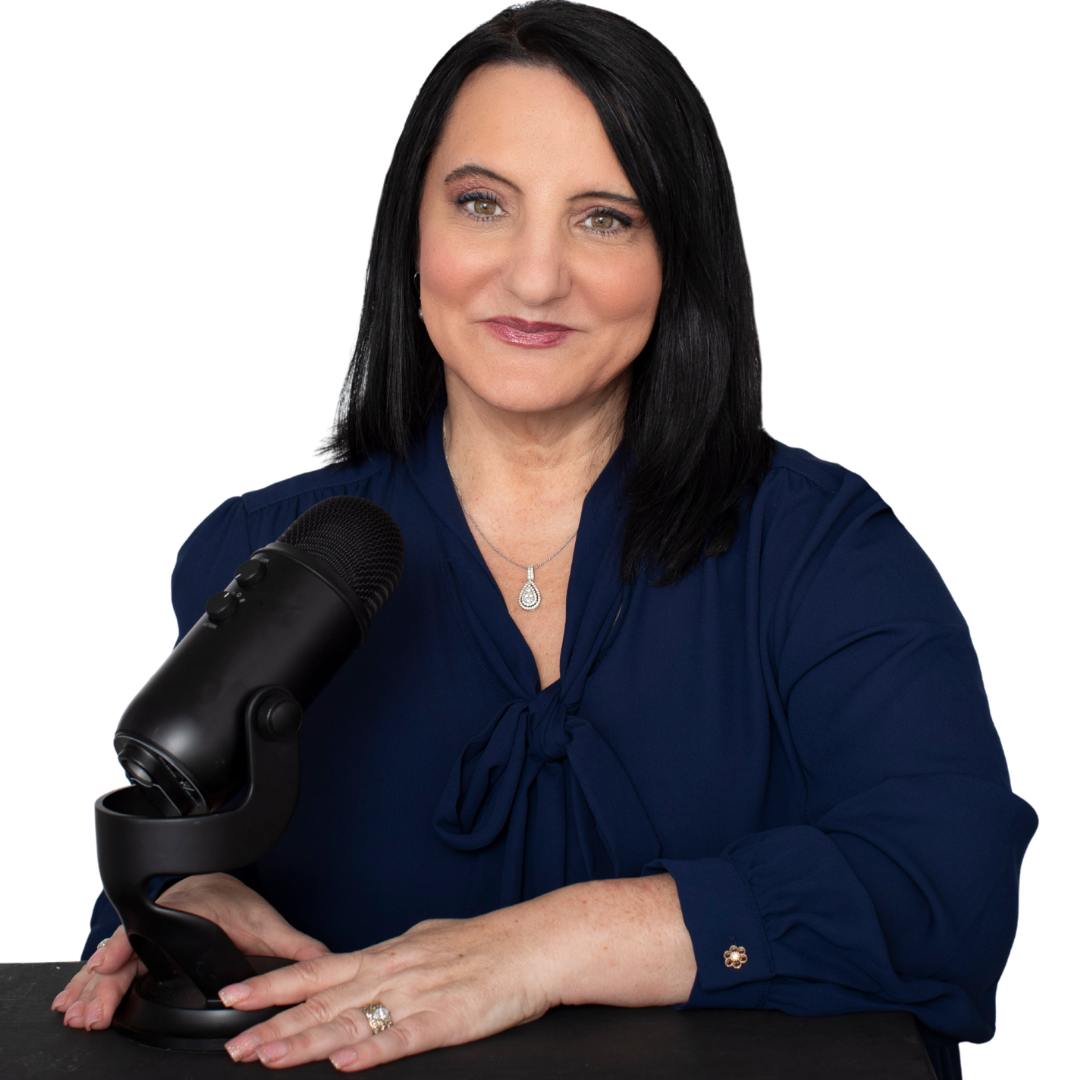
If your child flips from calm to furious in seconds, you may wonder why your child's mood swings aren't just attitude and when to worry. In this episode, Dr. Roseann Capanna-Hodge, founder of Regulation First Parenting™ and expert in childhood emotional dysregulation, explains what’s really driving the behavior—and how to help.
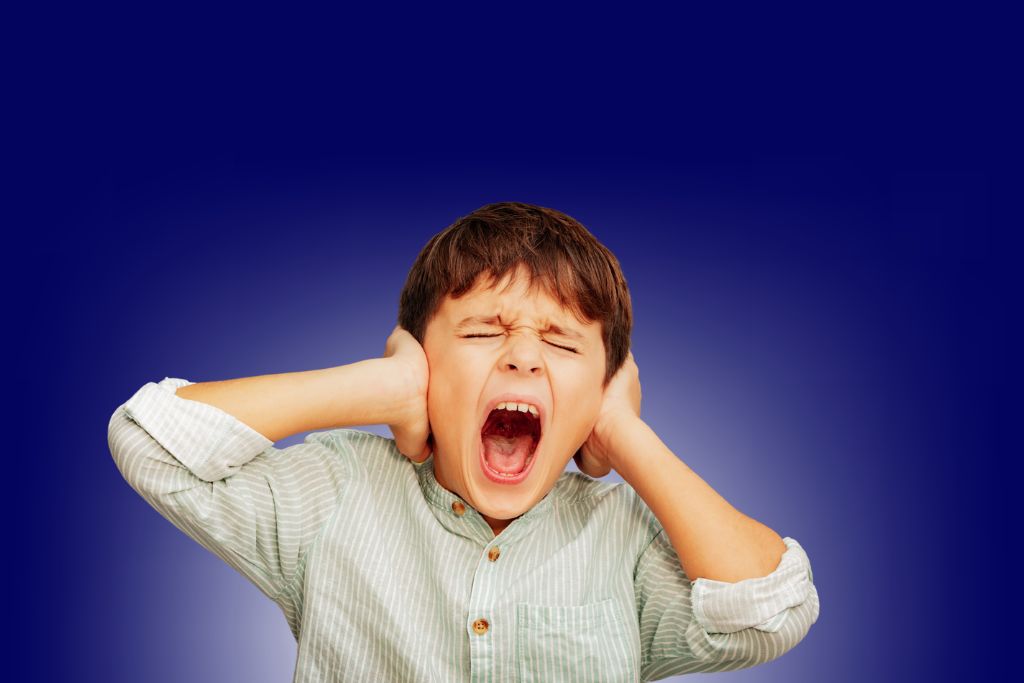
If your child goes from calm to furious in seconds, you’ve probably heard, “It’s just hormones” or “It’s attitude.” But what if why your child's mood swings aren't just attitude and when to worry is the real question?
Let’s unpack what’s really driving your child’s behavior, when mood shifts may point to mental health issues, and how to calm the brain first.
Mood swings don’t automatically mean bad attitude. Often, they reflect nervous system overload — and sometimes emerging mental health conditions, including depressive symptoms.
When stress builds, cortisol rises, the amygdala fires fast, and the thinking brain goes offline. That’s when you hear, “I hate you!” or “You’re ruining my life!”
In younger children, regulation skills are still developing. But when reactions are intense, frequent, and prolonged, we consider whether something more is happening — such as:
Behavior is communication. And when reactions seem like an elephant-sized response to an ant-sized problem, it’s usually biology—not defiance.
Real-Life Example: Your child loses it over the wrong snack. It’s not about crackers. It’s about a stress cup that’s already overflowing from school pressure, social stress, poor sleep, and sensory overload.
When kids are dysregulated, they’re seeking safety, not attention.
Big reactions are the nervous system saying: “I can’t regulate alone.”
Instead of harsher consequences, try:
🗣️ “The question isn’t how do I stop the behavior—the question is what is the nervous system telling me?” — Dr. Roseann
If you’re tired of walking on eggshells or feeling like nothing works…
Get the FREE Regulation Rescue Kit and finally learn what to say and do in the heat of the moment.
Become a Dysregulation Insider VIP at www.drroseann.com/newsletter and take the first step to a calmer home.
This is classic after-school restraint collapse.
Home is where the nervous system finally releases. That’s not manipulation—it’s decompression.
You may notice:
Let’s calm the brain first. That means:
If you need quick tools, start with Quick CALM to learn how to regulate fast when emotions spike.
Typical mood variability:
Sudden onset is never normal. If mood swings escalate after illness, trauma, or injury—or you see abrupt anxiety, OCD, rage, or regression—pause and investigate.
Trust your gut. It’s gonna be OK—but don’t ignore patterns.
What actually helps mood swings that aren’t “just attitude”?
Not harsher discipline.
Not ignoring it.
Not constant lecturing—especially when your child’s age and developmental stage already make emotion regulation harder.
If it’s just attitude, discipline works. If it’s nervous system instability, discipline alone backfires—and can actually increase emotional distress.
Mood swings soften when the nervous system stabilizes. When we regulate first, everything follows. You’re not alone—and there is always a path forward.
When intense reactions affect your child’s life, daily life, or emotional growth, it’s worth looking beyond “just a phase” and considering possible mental health concerns, behavioral health concerns, or emerging mental health disorders.
The Dysregulated Kid walks you step-by-step through calming the brain, strengthening emotion regulation, and building real frustration tolerance so your child can thrive now and into young adulthood.
Don’t miss the Regulated Child Summit for deeper dives into calming the brain, reducing academic stress and peer pressure, protecting your child’s physical health, and supporting healthy sleep patterns.
Most typical emotional spikes resolve within 30 minutes and don’t define the child’s overall mood. If behavior changes become prolonged, intense, or interfere with daily life, it may signal deeper mental health disorders.
If mood shifts are abrupt after illness or trauma, or include rage, OCD, or personality change, investigate further. Early intervention with a mental health professional, child psychologist, or your child’s provider can make a significant difference.
Yes. Chronic stress raises cortisol, weakens impulse control, and increases emotional reactivity. Over time, this can show up as emotional outbursts, persistent irritability, or other behavior changes. Supporting regulation early protects both mental and physical health.
Not sure where to start?
Take the guesswork out of helping your child.
Use our free Solution Matcher to get a personalized plan based on your child’s unique needs—whether it’s ADHD, anxiety, mood issues, or emotional dysregulation.
In just a few minutes, you'll know exactly what support is right for your family.
Start here: www.drroseann.com/help
Dr. Roseann Capanna-Hodge is a licensed therapist, certified school psychologist, and leading expert in emotional dysregulation in children. With over 30 years of experience, she helps parents understand the root causes of meltdowns, anxiety, ADHD, and challenging behavior through the lens of nervous system regulation. Dr. Roseann teaches practical, science-backed strategies for co-regulation and how to calm a dysregulated child using her Regulation First Parenting™ approach. She is the host of the Dysregulated Kids Podcast and author of The Dysregulated Kid.
Dr. Roseann Capanna-Hodge
Emotional Dysregulation in Children & Nervous System Expert
Regulation First Parenting™ | CALMS Protocol™
Host of the Dysregulated Kids Podcast (Top 1% Globally)
Author of The Dysregulated Kid