Help for Emotional Dysregulation in Kids | Dr. Roseann Capanna-Hodge

Find Your Solution

In 3 minutes, you’ll know where to start ➤

Join the Dysregulation Insider get free calm parenting tips straight to your inbox!

51: EFT Tapping For Children’s Anxiety

EFT tapping for children’s anxiety is an evidence-based technique that helps calm the brain and ease stress. It’s been shown to support kids struggling with anxiety, depression, and even post-traumatic stress, making it a powerful tool for emotional regulation.

You’re not alone if your child’s worry spirals into meltdowns and your own nerves feel shot. Let’s calm the brain first. In this episode, I explain what EFT tapping is, why it helps anxious thoughts and sensations settle, and exactly how to use it with kids and teens at home.

What is EFT tapping for anxiety and how does it actually work?

EFT tapping combines acupressure points with cognitive statements to calm the nervous system. You gently tap along known calming meridians while saying short, honest phrases about the worry.

  • Big idea: Tapping lowers stress activation so those fight, flight or freeze reactions ease.
  • Why kids respond: Pairing body input with simple language interrupts runaway thoughts and signals safety.

Parent example: Your 8-year-old is spiraling about a math test. You tap together while saying, “Even though I’m worried about my test, it’s gonna be OK.” Watch their breathing slow.

How do I start EFT tapping at home step by step?

Begin with one issue only. Check your child’s SUDS level first using 0 to 5 for kids. Five is the most upsetting.

  • Set up statement: “Even though I have this worry about [specific thing], it’s gonna be OK.”
  • Tap points: Use the 9-point sequence or keep it simple. Many kids do well with the karate chop or clavicle points to start.
  • Rounds: Do three rounds, then re-check SUDS. Repeat until the number drops to a comfortable level.

What if my child is too distressed or too young to tap alone?

You can tap on your child while they sit near you. You can also tap on yourself to co-regulate when your own nervous system is lit up.

  • Keep it brief: One point only is fine for little ones.
  • Use simple words: “Even though I feel scared, it’s gonna be OK.”
  • Co-regulation matters: Your calm body helps their body calm.

How do we know EFT is working during a meltdown?

Use the SUDS number as your guide. Aim to bring it down by at least one point. Perfection is not the goal.

  • Targets: On 0 to 10, try to get under 4. On 0 to 5, aim for 2 to 3.
  • Coach the perfectionist: Celebrate small drops to build confidence and body awareness.

Is EFT safe and what can it help with?

EFT is free, accessible, and can be used alongside therapy. Research and clinical use show benefits for anxiety, pain, and PTSD. It also helps parents who feel triggered by daily stress.

  • Not a fit for everyone: If your child dislikes the format or statements, choose another calming tool.
  • Consistency counts: Like any brain-based tool, it works when you use it.

🗣️ “It doesn’t matter whether your anxiety is real or imagined. EFT tapping can help you come down.”
— Dr. Roseann

Behavior is communication. When we pair gentle tapping with reassuring words, the nervous system gets the message that it is safe. Start with one worry, one point, and one round at a time. It’s gonna be OK.
Become a Dysregulation Insider VIP at www.drroseann.com/newsletter and take the first step to a calmer home.

FAQs

How long should an EFT tapping session last for kids?

Keep it to a few minutes and stop once the SUDS number drops.

Which EFT point is best for beginners?

The clavicle or karate chop point is easy and effective.

What words should my child say while tapping?

Use short, specific phrases like “Even though I’m worried about my test, it’s gonna be OK.”

Can I tap for my child if they refuse?

Yes. Tap on yourself to co-regulate or gently tap on them with permission.

Next Step:
If you’re tired of walking on eggshells or feeling like nothing works, get the FREE Regulation Rescue Kit and finally learn what to say and do in the heat of the moment.

 

If you found yourself nodding along while listening, take a moment to follow and leave a quick review on Apple Podcasts.
Your feedback helps more overwhelmed parents find calm, clarity, and the proven tools that make everyday life easier.

Dr. Roseann Capanna-Hodge: Helping Families of Dysregulated Kids Thrive Through Regulation First Parenting™

 
Dr. Roseann believes every family deserves to move from chaos to connection—and that transformation begins with addressing emotional dysregulation in children at its true source: the nervous system.

As the creator of Regulation First Parenting™, she’s helping families of dysregulated kids discover a compassionate, brain-based path forward. Through The Dysregulated Kids™ Podcast (top 2% globally), she offers practical strategies that help parents understand their child’s brain and support lasting change.

Through The Global Institute of Children’s Mental Health and Dr. Roseann, LLC, she’s created resources like the BrainBehaviorReset® program, Neurotastic™ Brain Formulas, and the Regulation First Parenting™ framework—meeting families where they are and supporting them through challenges like ADHD, anxiety, OCD, PANS/PANDAS, and behavioral struggles.

Recognized by Forbes as “a thought leader in children’s mental health,” Dr. Roseann is changing how we understand emotional dysregulation in children—one family at a time.

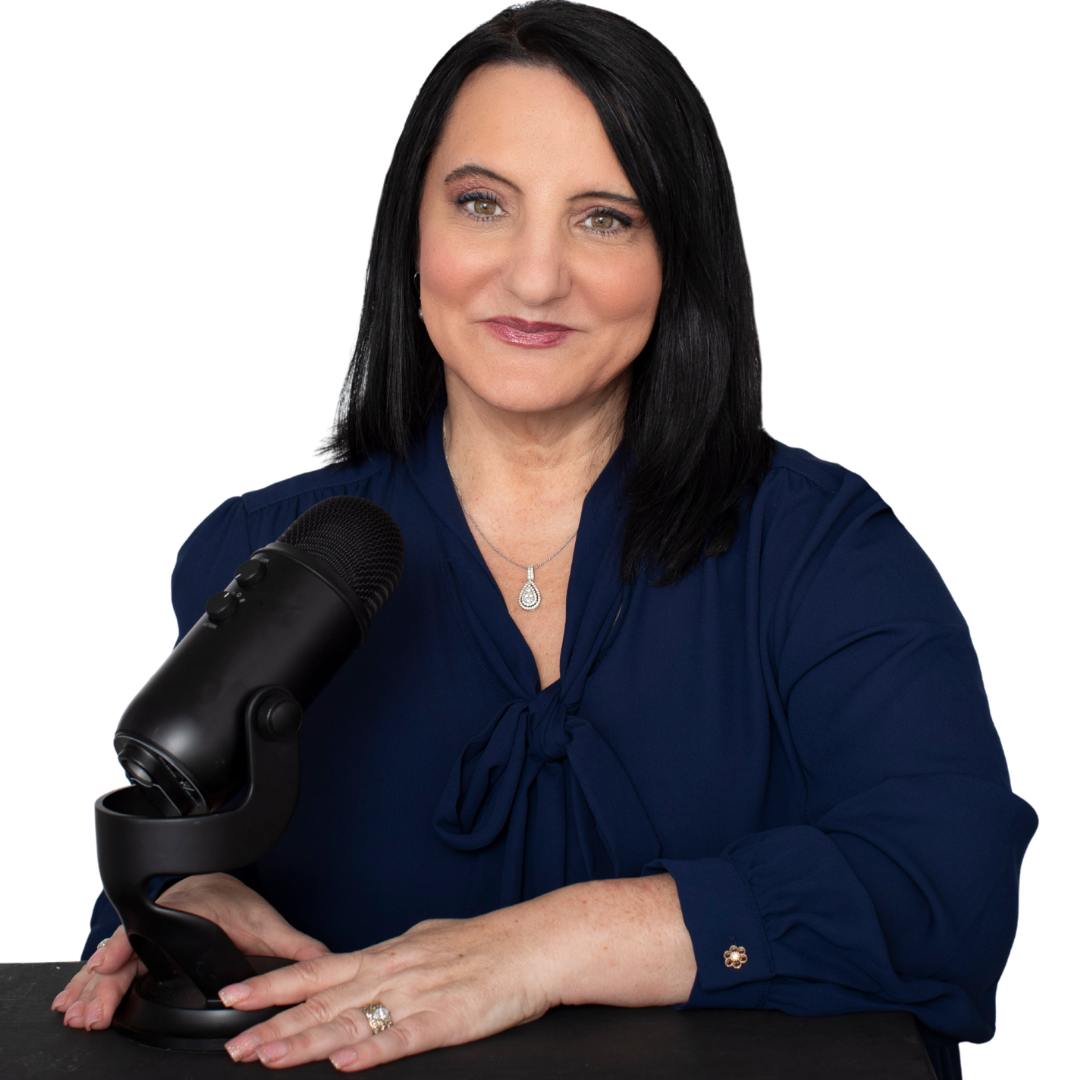
Dr Roseann with mic
Scroll to Top
Having Computer issues?
What’s the #1 burning question

about your child’s behavior that keeps you up at night?

By sending us your question, you give us permission to use
your audio clip anonymously in our podcast.

CHAT WITH US!