Find Your Solution
In 3 minutes, you’ll know where to start ➤
%20.png)





Estimated Reading Time: 5 minutes
Does it ever feel like everything is just too much to handle as a parent? Between the constant demands, emotional outbursts, and the pressure to stay composed, it can feel impossible to stay calm when your child is pushing your buttons. If you're looking for practical ODD parenting tips, the first step is understanding that challenging behavior is often a sign of emotional dysregulation in children, not intentional defiance.
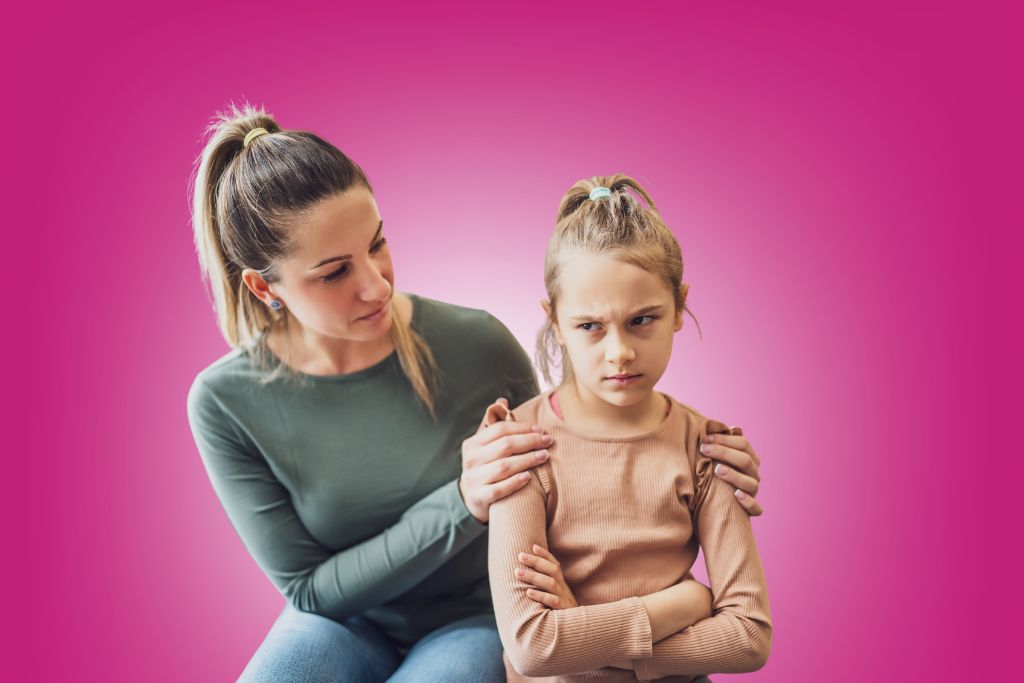
You're not alone. Parenting a dysregulated child can be exhausting. But when you learn how nervous system regulation in children works, you can respond differently and create real, lasting change.
Kids with oppositional or ODD-like behaviors often trigger strong emotional reactions in parents because their behavior touches our deepest fears and frustrations.
Parents often feel:
What many parents don't realize is that oppositional behavior is often a stress response.
Instead of seeing defiance, try seeing:
Your child refuses to get dressed for school and immediately argues when you ask.
Instead of thinking, "They're trying to make my morning miserable," consider:
"They're overwhelmed and don't have the skills to manage this moment."
That simple shift changes everything.
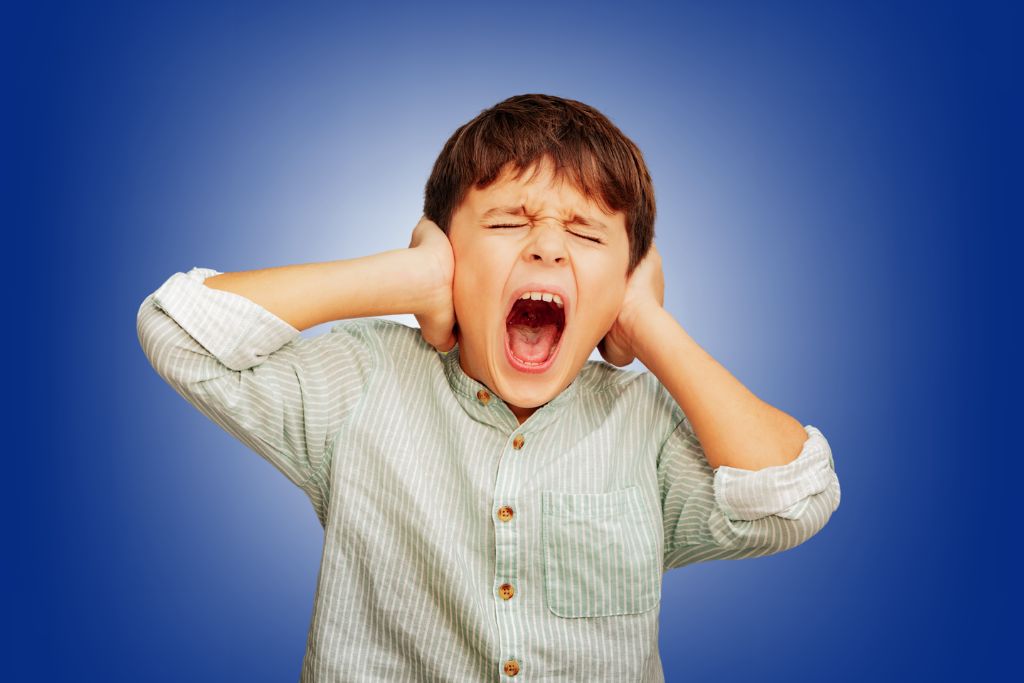
Many of the behaviors parents label as defiance are actually signs of dysregulation.
When a child's nervous system is overwhelmed, you may see:
The brain moves into survival mode and loses access to problem-solving and flexibility.
One of the most effective ODD parenting tips is learning to view behavior through a nervous system lens.
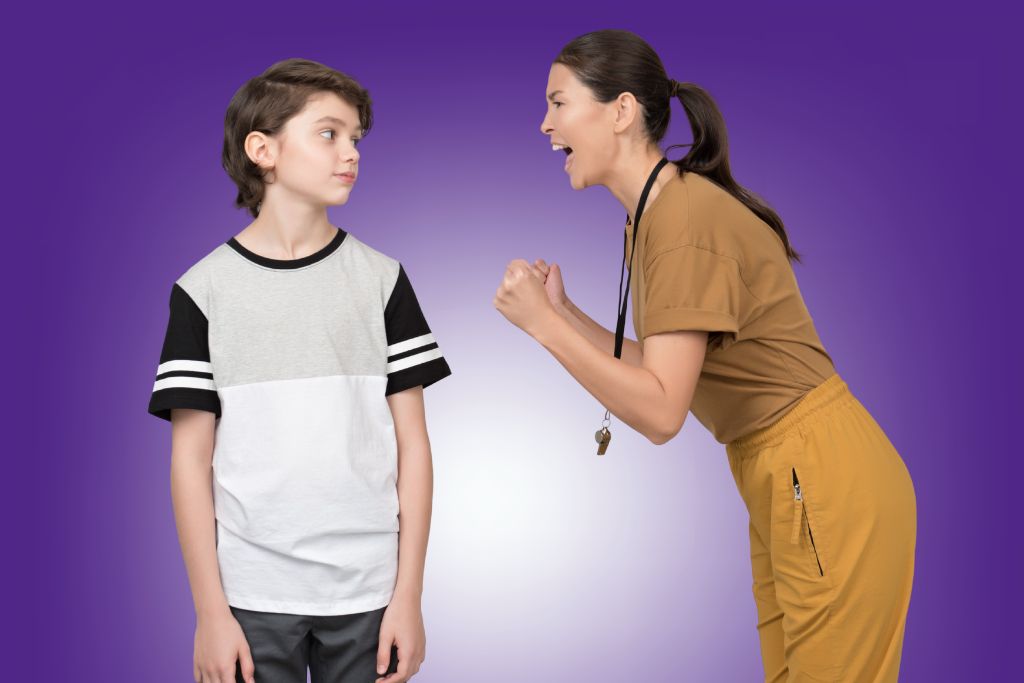
Your child's dysregulation can trigger your own.
This creates a cycle many parents know well:
When your child enters fight-or-flight mode, your nervous system may interpret their behavior as a threat.
You might notice:
This is why nervous system regulation in children always starts with nervous system regulation in parents.
Regulation is not about staying calm all the time.
It is about:
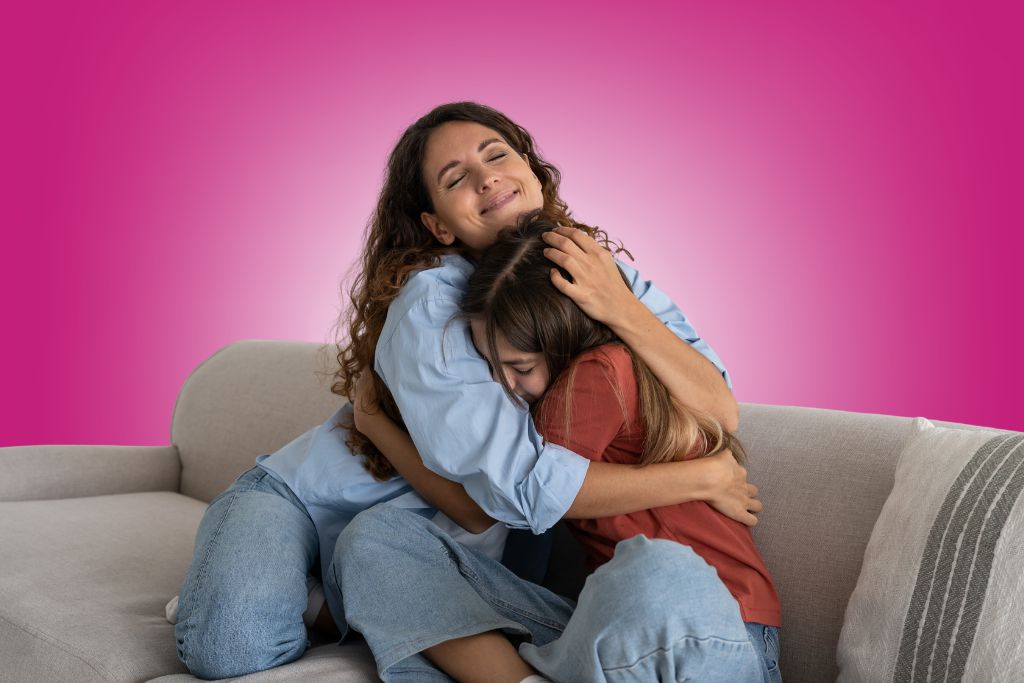
Kids learn regulation by experiencing it with a regulated adult.
If you want to calm your child without yelling, start with regulating yourself first.
Try these strategies:
Use calming phrases such as:
Your child screams when screen time ends.
Instead of immediately escalating with threats or consequences:
You might say:
"I know you're disappointed. It's hard to stop when you're having fun. I'm here with you."
Connection reduces escalation.
When you're triggered, your nervous system needs support too.
Helpful daily regulation practices include:
Try the 4-7-8 breathing technique:
This activates the parasympathetic nervous system and helps shift you out of stress mode.
If you need a moment to regroup:
That's leadership, not failure.
The Quick CALM Toolkit provides practical, science-backed tools to help bring more peace to your home.
Inside you'll learn how to:
The C.A.L.M.S. Dysregulation Protocol provides a simple framework for supporting emotional dysregulation in children while strengthening connection and cooperation.
Keep visual reminders nearby:
One powerful question to ask yourself is:
"What does my child's nervous system need right now?"
That question shifts you from discipline to connection.
🗣️ “Your child doesn't need a perfect parent. They need a regulated parent who can return to calm and help them do the same.” — Dr. Roseann
When you focus on regulation first:
The best ODD parenting tips are not about controlling behavior.
They are about understanding what drives behavior.
Remember:
You are not failing. Your child's nervous system needs support, and it's gonna be OK.
Usually not. Most oppositional behavior stems from stress, overwhelm, lagging skills, or nervous system dysregulation rather than intentional disrespect.
Start by regulating yourself first. Lower your voice, slow your breathing, validate emotions, and focus on connection before correction.
Yes. When children feel safe and regulated, they have better access to emotional control, communication, learning, and problem-solving skills.
When the brain is in survival mode, learning shuts down. Consequences often increase stress, which can intensify challenging behavior rather than improve it.
Skills improve with development, but regulation must be taught and practiced. Children make the most progress when parents consistently support nervous system regulation and co-regulation.
Dr. Roseann Capanna-Hodge is a licensed therapist, certified school psychologist, and leading expert in emotional dysregulation in children. With over 30 years of experience, she helps parents understand the root causes of meltdowns, anxiety, ADHD, and challenging behavior through the lens of nervous system regulation. Dr. Roseann teaches practical, science-backed strategies for co-regulation and how to calm a dysregulated child using her Regulation First Parenting™ approach. She is the host of the Dysregulated Kids Podcast and author of The Dysregulated Kid.
Dr. Roseann Capanna-Hodge
Emotional Dysregulation in Children & Nervous System Expert
Regulation First Parenting™ | CALMS Protocol™
Host of the Dysregulated Kids Podcast (Top 1% Globally)
Author of The Dysregulated Kid