Find Your Solution
In 3 minutes, you’ll know where to start ➤
%20.png)





Estimated Reading Time: 6 minutes
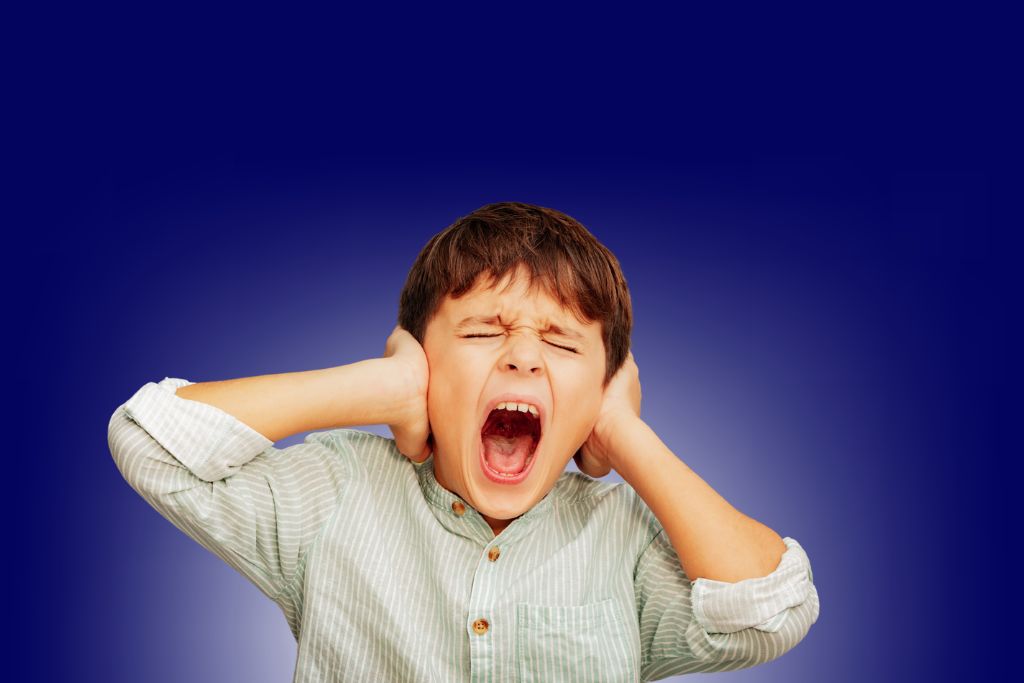
When your child struggles to focus, you may hear “ADHD” tossed around, but what if anxiety is actually the driver behind distractibility, incomplete work, or zoning out? You’re not imagining it, and it’s not laziness or defiance. Anxiety can hijack attention, creating behaviors that look exactly like ADHD. In this episode, I break down anxiety vs ADHD so you can understand what’s really happening in your child’s brain and start helping effectively.
When the brain is stuck in anxious, looping thoughts, it can’t process instructions or focus on tasks. This looks like:
Parent story: One mom noticed her child looked inattentive at school but spent hours at home overthinking every detail. Recognizing this as anxiety, not defiance, changed how she approached support.
Understanding the distinctions matters because interventions differ.
Both conditions can cause hyperfocus and task avoidance, making observation alone insufficient.
Yes—co-occurrence is common. Chronic ADHD challenges can generate anxiety through constant corrections, missed tasks, and social struggles.
Takeaway: Calm the nervous system first. Once dysregulation is addressed, children often surprise parents with their ability to focus, follow through, and connect.
Traditional checklists and behavioral observations can miss the underlying cause. QEEG mapping provides clarity by showing:
With this data, parents and clinicians can select the right supports: magnesium for calming, therapy, self-regulation skills or parent coaching. No one-size-fits-all approach is required.
️ “When your mind is stuck in worried thoughts, you can’t be present for the task in front of you.” — Dr. Roseann
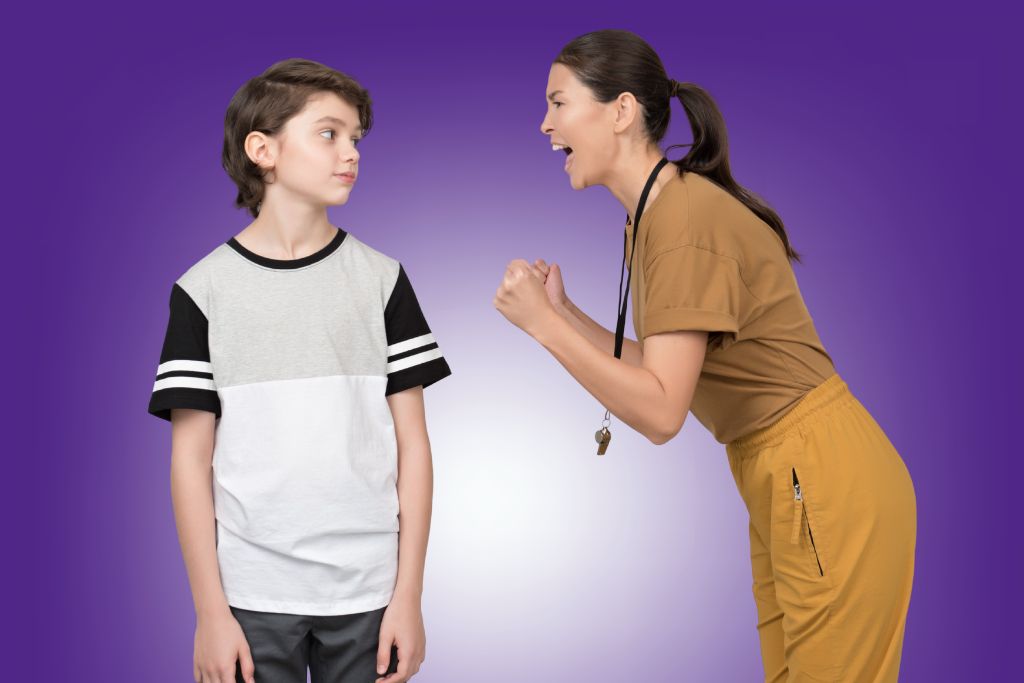
A child who appeared “defiant” during homework was actually anxious about making mistakes. After parents practiced Regulation First Parenting™, modeling calm, allowing short breaks, and scaffolding tasks, the child completed homework with less stress and more focus.
Understanding anxiety vs adhd helps you stop blaming behavior and start supporting the brain. If this resonates, listen next to the episode on ADHD and Anxiety to go deeper. You’re not missing something, your child just needs regulation first.
Yes. A worried brain can’t focus, follow directions, or process information well.
ADHD symptoms show up before age 12 and are consistent across settings.
Always start by calming the nervous system. Regulation makes every strategy work better.
Not sure where to start? Take the guesswork out of helping your child.
Use our free Solution Matcher to get a personalized plan based on your child’s unique needs. Start here: www.drroseann.com/help
Dr. Roseann Capanna-Hodge is a licensed therapist, certified school psychologist, and leading expert in emotional dysregulation in children. With over 30 years of experience, she helps parents understand the root causes of meltdowns, anxiety, ADHD, and challenging behavior through the lens of nervous system regulation. Dr. Roseann teaches practical, science-backed strategies for co-regulation and how to calm a dysregulated child using her Regulation First Parenting™ approach. She is the host of the Dysregulated Kids Podcast and author of The Dysregulated Kid.
Dr. Roseann Capanna-Hodge
Emotional Dysregulation in Children & Nervous System Expert
Regulation First Parenting™ | CALMS Protocol™
Host of the Dysregulated Kids Podcast (Top 1% Globally)
Author of The Dysregulated Kid