Find Your Solution
In 3 minutes, you’ll know where to start ➤
%20.png)





Estimated Reading Time: 5 minutes
If your child overreacts to the smallest criticism or feels crushed by perceived rejection, you’re not alone. Rejection Sensitive Dysphoria tips can help you understand the brain-based reasons behind these reactions and provide practical tools to calm the nervous system, build coping skills, and reduce conflict.
In this episode, I break down why kids with ADHD often experience RSD, how validation and regulation are more effective than correction, and the strategies that make a real difference at home.
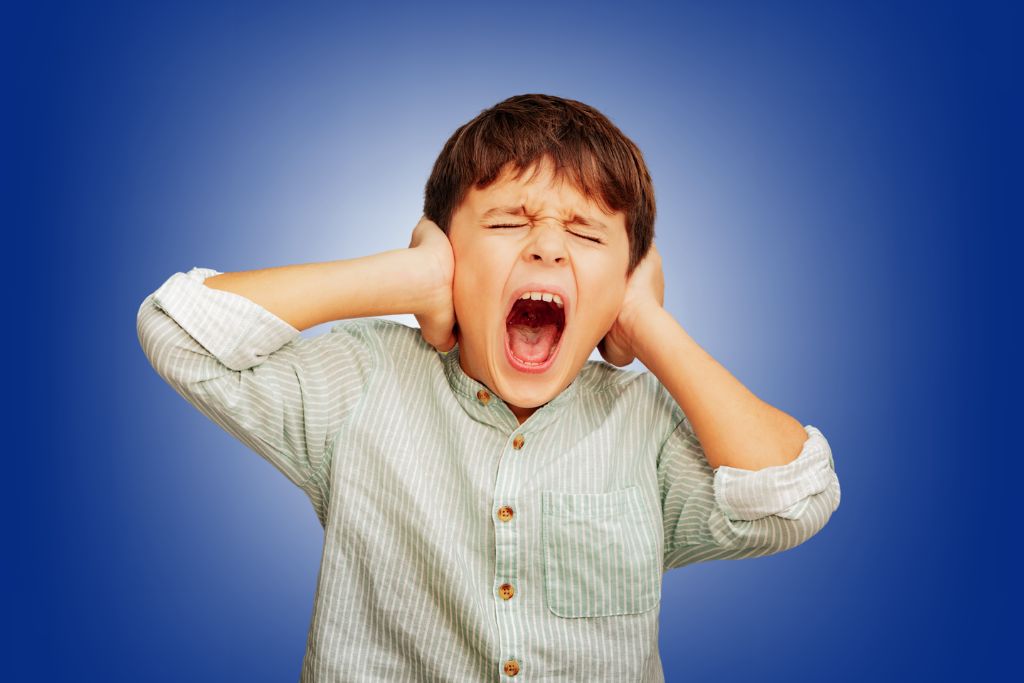
Children with RSD have highly reactive nervous systems. Even gentle feedback can feel like an emotional earthquake.
Tips for parents:
Parent story: A child who normally melted down during bedtime became calmer when parents validated the frustration, provided a short movement break, and used a visual timer before homework.
Kids with RSD often perceive minor events as threats. Their emotional responses feel outsized because their nervous system is dysregulated.
Supportive strategies:
Coping skills aren’t learned during meltdowns—they’re learned in calm moments through practice.
Actionable steps:
Parent tip: Positive reinforcement rewires perceptions of failure into learning opportunities.
🗣️ “You can’t parent a reactive child the same way you parent a neurotypical one, regulation has to come first.” — Dr. Roseann
Before correcting behavior, the nervous system must be regulated.
Practical tools:
Parent insight: Kids respond best when parents model calm energy, creating co-regulation.

RSD is a brain-based sensitivity, not a character flaw. Parents can scaffold emotional regulation gradually.
Key strategies:
Parent story: A child previously reactive at school started using calm breathing when guided by parents at home, showing improved focus and emotional control.
Many parents worry about stimulants or SSRIs. With RSD, medications can sometimes exacerbate emotional reactivity if the nervous system isn’t regulated first.
Alternatives and supports:
Children with Rejection Sensitive Dysphoria thrive when their environment is structured and consistent. Predictability helps the nervous system feel safe and reduces daily emotional spikes.
Strategies for parents:
Parent story: A child who previously melted down every morning began following routines more independently when visual schedules and co-regulation were used consistently.
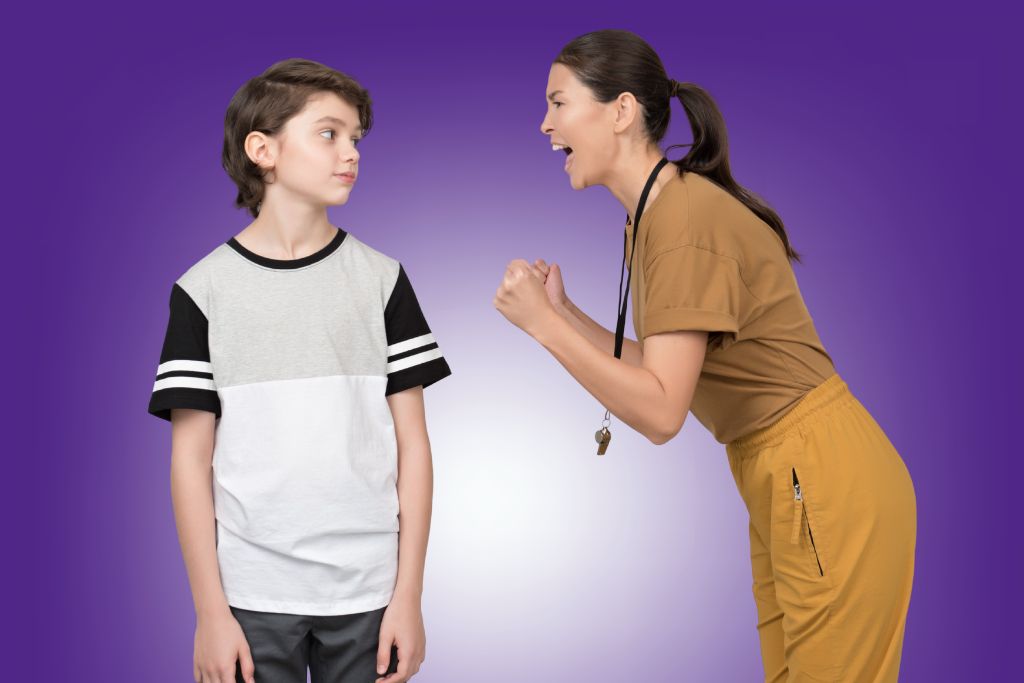
Language and tone are powerful tools in calming a dysregulated nervous system. Words can either escalate or soothe emotional overreactions.
Tips for calmer communication:
Parent story: One mother reported that instead of repeating instructions with frustration, saying, “I see you’re upset, let’s breathe together,” lowered emotional intensity and improved cooperation within minutes.
Rejection Sensitive Dysphoria isn’t your child’s fault. By calming the nervous system first and teaching coping skills step by step, children can learn to manage intense emotions and improve attention, behavior, and relationships.
RSD triggers disproportionate reactions to perceived criticism or rejection, often paired with withdrawal, irritability, or avoidance.
Kids with RSD have heightened limbic responses. Minor cues feel threatening, creating intense emotional responses.
Yes. Regulation, structured routines, magnesium support, and skill-building can significantly reduce RSD intensity over time.
Micro-skills like controlled breathing, labeling feelings, and gradual exposure to triggers help kids build resilience.
Provide predictable routines, communicate coping strategies to teachers, and maintain consistent reinforcement at home.
When your child is struggling, time matters.Don’t wait and wonder—use the Solution Matcher to get clear next steps based on what’s actually going on with your child’s brain and behavior.
Take the quiz at www.drroseann.com/help
Dr. Roseann Capanna-Hodge is a licensed therapist, certified school psychologist, and leading expert in emotional dysregulation in children. With over 30 years of experience, she helps parents understand the root causes of meltdowns, anxiety, ADHD, and challenging behavior through the lens of nervous system regulation. Dr. Roseann teaches practical, science-backed strategies for co-regulation and how to calm a dysregulated child using her Regulation First Parenting™ approach. She is the host of the Dysregulated Kids Podcast and author of The Dysregulated Kid.
Dr. Roseann Capanna-Hodge
Emotional Dysregulation in Children & Nervous System Expert
Regulation First Parenting™ | CALMS Protocol™
Host of the Dysregulated Kids Podcast (Top 1% Globally)
Author of The Dysregulated Kid