Find Your Solution
In 3 minutes, you’ll know where to start ➤
%20.png)





Estimated reading time: 5 minutes
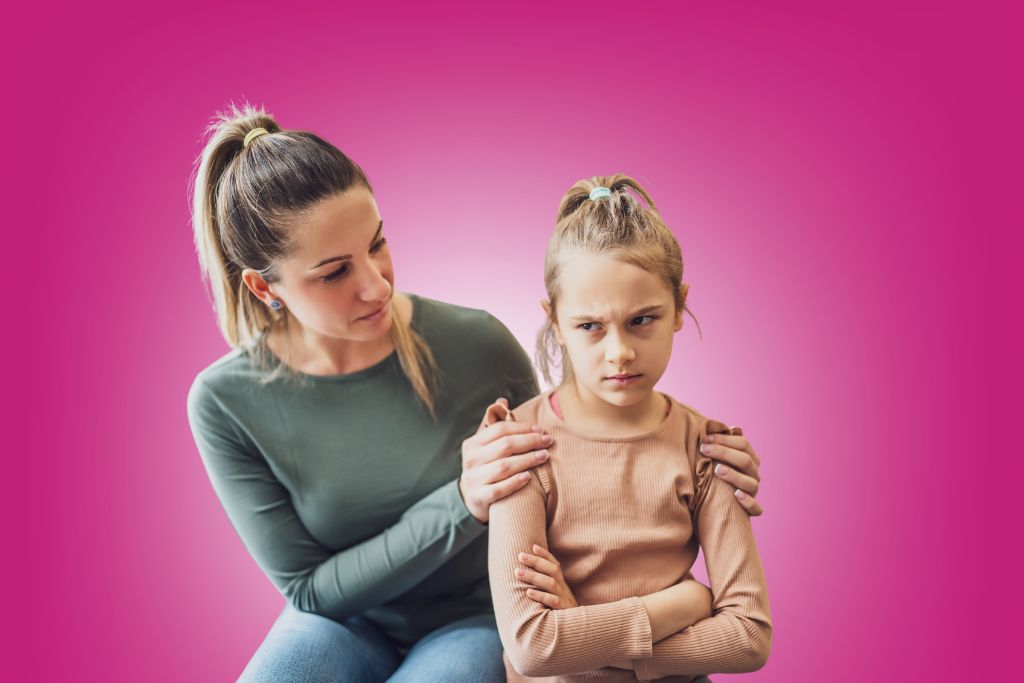
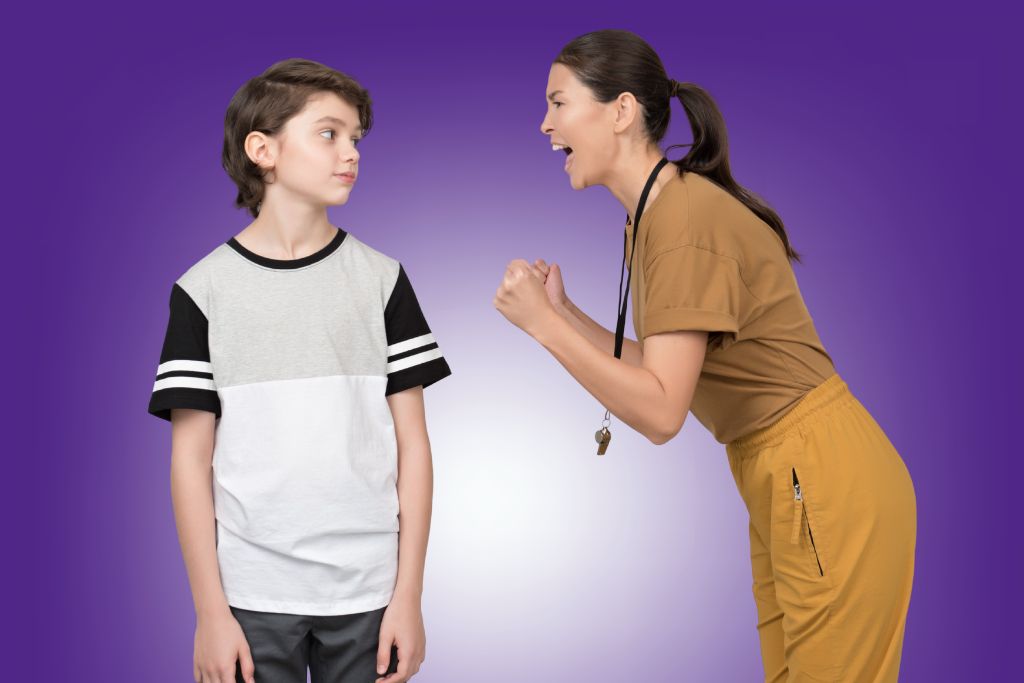
Watching your child struggle with focus, anxiety, or emotional outbursts can leave you feeling helpless and frustrated. You’re not alone. Many parents don’t realize that these behaviors often reflect underlying brain dysregulation—not “bad parenting.”
In today’s episode, we explore the power of QEEG brain maps and how they reveal individualized brain activity to guide interventions that help children—and adults—regain emotional and behavioral balance.
When certain areas of the brain are underactive, kids may appear tired, slow to respond, or emotionally withdrawn. Brain mapping helps identify these patterns so interventions can be targeted.

Overactive brain regions can trigger irritability, high anxiety, or OCD tendencies. Brain maps reveal which areas are overfiring, allowing practitioners to tailor calming interventions.
You don’t have to figure this out alone. Become a Dysregulation Insider VIP and get your FREE Regulation Rescue Kit: How to Stay Calm When Your Child Pushes Your Buttons and Stop Oppositional Behaviors. Head to www.drroseann.com/newsletter and start your calm parenting journey today.
Neurofeedback works by training the brain to self-regulate, gradually shifting brainwave activity from dysregulation to balance. Pre- and post-brain maps show these measurable improvements.
Parent example: “My son’s ADHD brain map went from blue to green—he’s calmer, more focused, and more confident in school.”
Each child’s brain is unique, and QEEG brain maps provide a personalized blueprint for interventions—whether through neurofeedback, lifestyle changes, or nutrition. This ensures therapy isn’t generic but laser-focused on the child’s needs.
🗣️ “Behavior is communication. When we calm the brain first, everything else—learning, emotional regulation, confidence—follows naturally.” — Dr. Roseann
Brain mapping and neurofeedback aren’t magic—they’re science-backed tools that empower parents to understand and support their child’s nervous system. By uncovering underlying brain patterns, we can move from reaction to informed action.
When parents say, "I don't know what to do," they mean, "Nothing I try helps." Understanding the nervous system changes everything. I walk you through exactly how to do it in The Dysregulated Kid. Get the book.
A QEEG brain map measures electrical activity in the brain, highlighting underactive or overactive areas to guide personalized interventions.
The brain mapping process usually takes 20–30 minutes using a cap with electrodes.
Absolutely—QEEG and neurofeedback are noninvasive and widely used in pediatric mental health.
No—brain maps can reveal dysregulation even without a formal clinical diagnosis, guiding individualized care.
When your child is struggling, time matters.
Don’t wait and wonder—use the Solution Matcher to get clear next steps, based on what’s actually going on with your child’s brain and behavior.
Take the quiz at www.drroseann.com/help
Dr. Roseann Capanna-Hodge is a licensed therapist, certified school psychologist, and leading expert in emotional dysregulation in children. With over 30 years of experience, she helps parents understand the root causes of meltdowns, anxiety, ADHD, and challenging behavior through the lens of nervous system regulation. Dr. Roseann teaches practical, science-backed strategies for co-regulation and how to calm a dysregulated child using her Regulation First Parenting™ approach. She is the host of the Dysregulated Kids Podcast and author of The Dysregulated Kid.
Dr. Roseann Capanna-Hodge
Emotional Dysregulation in Children & Nervous System Expert
Regulation First Parenting™ | CALMS Protocol™
Host of the Dysregulated Kids Podcast (Top 1% Globally)
Author of The Dysregulated Kid