%20.png)


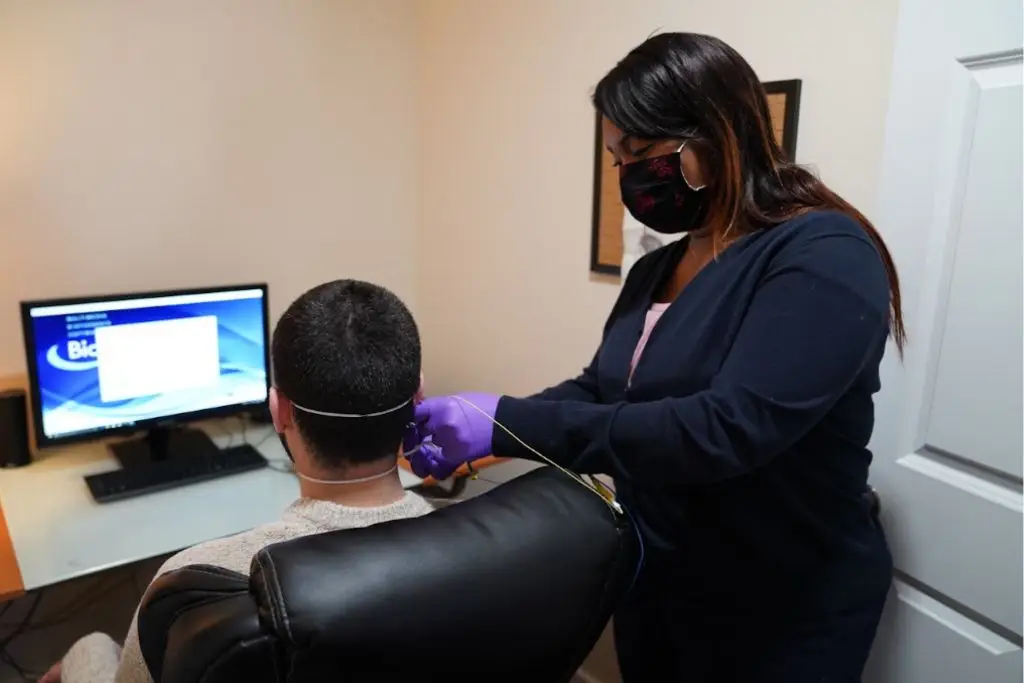
Wondering how eeg biofeedback neurofeedback can help with mental health?
So many of my Ridgefield, CT clinic and at-home neurofeedback clients find this answer in a desperate 2AM internet search while looking for solutions for attention deficit hyperactivity disorder, behavioral issues, learning problems, depression, OCD, PANS/PANDAS and other clinical conditions.
Time and time again for the clients that work with me from all over US, they have seen the benefits from neurofeedback treatment. It is important to understand what it is, how it works, and its benefits.
Neurofeedback uses real-time EEG feedback to help you control brain activity. It’s a safe, non-invasive treatment for many conditions that most parents wish they knew about sooner!
Studies show that 90% of individuals with ADHD experience significant improvements in focus and attention after neurofeedback therapy. Xiong, Z., Shi, S., & Xu, H. (2005)
Types of Neurofeedback Training
Neurofeedback training can be utilized in three main ways: as a therapeutic tool, for peak-performance training, and as an experimental method to investigate the causal role of specific neural events.
There are three primary types of neurofeedback training: slow cortical potentials (SCPs), coherence training, and frequency training. Each type targets different aspects of brain function and connectivity, offering unique benefits depending on the individual’s needs.
These training types cater to different objectives:
- SCP training focuses on self-regulation of slow cortical potentials to treat neurological conditions like ADHD.
- Coherence training aims to optimize the synchrony between different brain regions, addressing connectivity issues.
- Frequency training targets specific brain wave frequencies, such as alpha, beta, theta, and delta waves, to improve brain function and address issues like anxiety, depression, or cognitive enhancement.
Slow Cortical Potentials (SCPs)
Slow cortical potentials (SCPs) are slow brain waves that can be self-regulated through neurofeedback training. This type of training is particularly effective in treating neurological conditions like ADHD by enhancing the regulation of cortical excitability. SCP training involves learning to generate both positive and negative SCPs, which helps improve self-regulation capabilities.
The primary goal of SCP training is to improve the brain’s ability to regulate cortical excitability. This is achieved by practicing the generation of SCPs, which can lead to better control over neurophysiological parameters and improved cognitive functions. SCP training has shown significant efficacy, especially in children with ADHD, by enhancing their ability to regulate brain activity.
Overall, SCP training offers a promising approach to managing conditions like ADHD. By focusing on the slowest brain waves, SCP training helps individuals develop better control over their brain activity, leading to improved attention, reduced impulsivity, and enhanced cognitive performance.
This method of neurofeedback highlights the potential of brainwave regulation in treating complex neurological conditions.
Coherence Training
Coherence training is aimed at optimizing the synchrony between different brain regions. This type of neurofeedback training addresses connectivity issues in various neurological disorders by changing the connectivity patterns among brain areas. Coherence training, by enhancing the coherence between brain regions, can elevate cognitive performance and self-regulation.
In a clinical setting, coherence training is used to address issues related to brain connectivity, which can be crucial for treating conditions like anxiety, depression, and learning and developmental disorders. By focusing on the synchrony of brainwave patterns, coherence training helps improve overall brain function and mental health. This approach underscores the importance of connectivity in maintaining optimal cognitive and emotional health.
Frequency Training
Frequency training is one of the most common types of neurofeedback training, aimed at altering brain wave frequencies to improve brain function. This type of training targets specific brain wave frequencies such as:
- Alpha waves
- Beta waves
- Theta waves
- Delta waves
Each of these waves is associated with different states of brain activity. For example, while delta waves are associated with sleep and deep unconsciousness, theta waves are related to sleepiness or creativity.
Alpha waves typically indicate relaxation and are commonly used for meditation and stress reduction. Beta waves are linked to alertness and focused mental activity, often used in training to improve cognitive functions. Gamma waves, the fastest brain waves, are associated with cognitive processing and memory recall.
Frequency training, with its diverse protocols, is tailored to individual needs, addressing issues such as anxiety, depression, or cognitive enhancement. For example, the fm-theta protocol includes an eight-session training program aimed at investigating the trainability of fm-theta and assessing its effects on executive functions.
Frequency training’s versatility makes it a valuable tool in neurofeedback therapy. By targeting specific brain wave frequencies, it can help individuals achieve various cognitive and emotional improvements, including:
- reducing anxiety
- improving focus and attention
- enhancing memory and learning
- promoting relaxation and stress reduction
- improving sleep quality
This showcases the power of brainwave regulation in enhancing mental health and brain functioning, leading to improved cognitive performance.
Applications of Neurofeedback Therapy for Children and Teens
Neurofeedback therapy offers significant benefits for children and teens, addressing a wide range of conditions such as:
- ADHD
- ASD
- Anxiety disorders
- OCD
- PTSD
- Depression and mood
- Substance abuse
- Sleep disorders
Neurofeedback, by aiding young individuals in learning to control their brain activity, can stimulate significant advancements in mental health and cognitive functioning.
One of the key advantages of neurofeedback therapy is its non-invasive nature, making it an appealing option for children and teens. It can help improve focus, reduce impulsivity, and manage stress, providing a holistic approach to mental health care.
Attention Deficit Hyperactivity Disorder (ADHD)
Attention Deficit Hyperactivity Disorder (ADHD) is a prevalent condition affecting many children and teens. Individuals with ADHD often have an excess of theta waves, which are associated with poor focus and attention, and can be considered as ADHD symptoms. Neurofeedback helps reduce or eliminate negative symptoms associated with ADHD by enabling patients to self-regulate their brainwave patterns.
The goal of neurofeedback therapy for ADHD is to:
- Increase the ratio of high-frequency beta waves to low-frequency theta waves in the brain
- Enhance attention and self-control
- Reduce hyperactive behaviors
Studies have shown that neurofeedback can lead to sustained improvements in focus, reduction in impulsivity, and decreased distractibility in ADHD patients.
Research indicates that neurofeedback can normalize brainwave patterns in ADHD patients and improve related behaviors and cognitive functions. This non-pharmacological treatment offers a promising alternative to traditional ADHD treatments, providing long-term benefits without the side effects associated with medications.
Neurofeedback therapy’s effectiveness in treating ADHD is supported by numerous studies and clinical experiences. By helping individuals regulate their brainwave patterns, neurofeedback can significantly improve attention, reduce hyperactivity, and enhance overall cognitive performance, offering a valuable tool in managing ADHD.
Anxiety Disorders, OCD and PTSD
Anxiety disorders, OCD, and PTSD are common psychiatric disorders that can significantly impact an individual’s quality of life. Neurofeedback therapy provides real-time feedback, helping patients recognize and reduce anxiety. For individuals with PTSD, neurofeedback helps improve brainwave patterns, leading to better regulation of anxiety and stress responses.
Neurofeedback helps individuals with PTSD, OCD or Anxiety by:
- Helping the brain interpret reality accurately
- Promoting a sense of calm
- Reducing the frequency and severity of panic attacks
- Addressing symptoms such as intense flashbacks, recurring nightmares, intrusive thoughts, and hypervigilance
Cognitive Enhancement
Cognitive enhancement through neurofeedback is gaining popularity as individuals seek ways to improve cognitive performance, especially as one ages. Neurofeedback helps individuals generate proper brainwaves at the right time, facilitating cognitive enhancement. This approach can improve working memory, episodic memory, and overall cognitive functions.
There is a growing interest in using neurofeedback to enhance cognitive performance in healthy individuals. By focusing on the brain’s ability to self-regulate, neurofeedback can help improve focus, mental clarity, and stress management. This non-invasive method offers a safe and effective way to boost cognitive abilities without the side effects of medications.
The Learning Process in Neurofeedback
The learning process in neurofeedback is primarily based on operant conditioning. This mechanism involves:
- Reinforcing desired brainwave patterns by providing immediate feedback
- Positive consequences like visual or auditory rewards enhance the likelihood of a desired behavior
- Negative consequences reduce the likelihood of a desired behavior
This approach helps individuals learn to self-regulate their brain activity effectively.
Improvements in brain activity during neurofeedback sessions can be measured through various metrics, including:
- The absolute values of amplitude/power
- The percentage of time spent with positive feedback
- A combination of the time spent in the desired brain state and mean level of amplitude
Assessing changes in brain activity can be achieved by comparing the start and finish of each training session.
For neurofeedback training to be effective, certain prerequisites must be met. These include the construct validity of the feature being trained, its trainability, and the behavioral and neurocognitive transfer effects. A well-designed neurofeedback system optimizes the self-regulation of brain activity and enables the transfer of these skills to cognition and behavior.
The therapy aids in teaching patients to shift their brains into healthier functioning patterns, leading to long-term symptom improvements. This learning process underscores the potential of neurofeedback to bring about lasting changes in brain function and mental health.

Comparing Neurofeedback to Traditional Treatments
Neurofeedback therapy offers a non-invasive and non-drug-induced alternative to traditional treatments. Unlike medications, which alter neurochemical levels, neurofeedback involves training the brain to adjust its own wave patterns. This approach can be particularly appealing for individuals seeking to avoid the side effects associated with pharmacological treatments.
Neurofeedback can complement traditional treatments like talk therapy and medications by offering a different approach to mental health care. For instance, while talk therapy addresses cognitive and emotional aspects, neurofeedback targets the physiological basis of mental health issues, creating a more holistic treatment plan.
Despite its considerable benefits, the accessibility and time commitment of neurofeedback should be taken into account. Neurofeedback requires multiple sessions over several weeks, which can be a significant investment of time and resources. Yet, its potential for long-term symptom improvement without the necessity of medication makes it a worthy consideration for many.
Patient experiences and case studies have shown that neurofeedback can lead to significant improvements in mental health and cognitive functions. Some of the benefits of neurofeedback include:
- Reduced symptoms of anxiety and depression
- Improved focus and attention
- Better sleep quality
- Enhanced memory and learning abilities
- Increased self-regulation and emotional stability
In our program, we compare brain activity and use behavioral rating scales before and after treatment, which shows the changes that comes with this effective treatment.
Safety and Side Effects of Neurofeedback
Neurofeedback is generally considered safe and effective for treating various neurophysical disorders. It is well-tolerated by both children and adults, making it a versatile option for different age groups. However, potential short-term side effects include:
- Headaches
- Fatigue
- Dizziness
- Nausea
- Sleep disturbances
- Increased anxiety
These side effects are typically transient and infrequent. Discuss these potential side effects with a healthcare professional before starting neurofeedback therapy.
Ensuring that neurofeedback therapy is conducted by a well-trained and certified clinical professional is crucial to minimizing risks. One must have a license in order to be certified, so make sure you are getting support from a licensed and certified professional with expertise in the area you or you child needs.
With proper training and expertise, the likelihood of adverse effects is significantly reduced, making neurofeedback a safe and reliable treatment option for many.
What to Expect During EEG Neurofeedback Sessions
During neurofeedback sessions, individuals sit comfortably with electrode sensors placed on their scalp to capture the brain’s electrical signals. These sensors monitor brainwave activity in real-time using brain mapping software. The setup is non-invasive and designed to ensure patient comfort throughout the session.
Patients might participate in activities such as movie watching, music listening, or video gaming while receiving instant visual and auditory stimuli feedback. This visual and auditory feedback helps the brain learn to maintain beneficial patterns, promoting self-regulation of brain activity. The interactive nature of these activities makes the sessions engaging and enjoyable.
A single neurofeedback session typically lasts 20–40 minutes. Achieving optimal outcomes usually necessitates approximately 40 sessions extended over 20 weeks. Consistent and timely feedback, along with sufficient training time, is essential for achieving effective neurofeedback training.
Patients can expect the following gradual improvements in their symptoms and cognitive functions over the course of the treatment:
- Increased focus and attention
- Improved memory and recall
- Reduced anxiety and stress
- Better sleep quality
- Enhanced mood and emotional regulation
It can alleviate symptoms by regulating both slower brain waves and faster brain waves. By the end of the neurofeedback training program, individuals often experience significant enhancements in their mental health and overall well-being.
Finding a Neurofeedback Provider
Finding a qualified neurofeedback provider is crucial for effective and safe treatment. The Biofeedback Certification International Alliance (BCIA) offers certification programs for neurofeedback practitioners. A qualified practitioner should be a licensed clinician or therapist with BCIA certification.
The International Society for Neuroregulation and Research (ISNR) hosts a directory of licensed, certified neurofeedback practitioners. Using directories from ISNR, AAPB, and BCIA can help find trained neurofeedback practitioners. ISNR also publishes a code of ethics outlining qualification recommendations.
Selecting a provider with post-degree training in neurofeedback is essential, as it is not typically part of standard coursework for psychologists or psychiatrists. Ensuring the practitioner adheres to high standards enhances the effectiveness and safety of neurofeedback therapy.
Future Directions in Neurofeedback Research
Neurofeedback research is evolving with advanced neuroimaging techniques and the integration of machine learning and AI. Z-Score training compares brain activity to an age-normed database, tailoring neurofeedback to individual brain patterns.
sLORETA training provides a 3D image of the brain’s electrical activity, identifying dysregulated neuronal networks. Combining neurofeedback with machine learning and AI aims to develop sophisticated brain-computer interfaces for rehabilitation, enhancing precision and effectiveness.
Real-time fMRI neurofeedback allows self-regulation of brain activity, with significant implications for mental health and cognitive enhancement. Advanced neuroimaging techniques like functional MRI are being explored for their potential to improve emotion and self-regulation.
Future trends in neurofeedback may involve:
- Developing targeted protocols for specific cognitive abilities and mental health disorders
- Ongoing studies and bibliometric analyses to explore effectiveness
- New applications and improved treatment outcomes
These advancements are paving the way for the future of neurofeedback.
Getting Started with EEG Neurofeedback
Neurofeedback therapy offers a non-invasive, drug-free treatment options for many behavioral and mental health challenges children and teens face today. By regulating brainwave patterns, neurofeedback can help individuals achieve significant improvements in symptoms and cognitive functions.
From treating ADHD in children and teens to managing anxiety disorders, obsessive compulsive disorder, bipolar disorder and PTSD, neurofeedback has shown promising results across a range of conditions.
When looking for neurofeedback services, by choosing a leading practitioner like Dr. Roseann and committing to consistent training, you can harness the power of neurofeedback to transform attention, learning and mental health for your child or yourself. Check out the podcast and our exclusive one-to-one our approach (r) Program today!
Key Takeaways
- EEG biofeedback, or neurofeedback, is a non-invasive therapy that helps individuals regulate brain activity to treat various mental health conditions like ADHD, anxiety, and depression through real-time feedback on brainwave patterns.
- Neurofeedback training comes in three primary types: slow cortical potentials (SCPs) to treat conditions like ADHD, coherence training for brain connectivity issues, and frequency training to adjust specific brain wave frequencies for cognitive and emotional improvements.
- Neurofeedback is generally safe, with minimal side effects, and offers a drug-free alternative to traditional treatments, requiring multiple sessions over several weeks to achieve long-term mental health benefits.
What is EEG biofeedback, and how does it work?
EEG biofeedback, also known as neurofeedback, is a non-invasive therapy that helps individuals regulate brain activity by providing real-time feedback on brainwave patterns. This feedback helps the brain learn to maintain beneficial patterns, leading to improved mental health and cognitive functions.
What conditions can neurofeedback therapy treat?
Neurofeedback therapy can treat conditions such as ADHD, anxiety disorders, PTSD, depression, substance abuse, and sleep disorders, while also offering cognitive enhancement benefits for healthy individuals.
How safe is neurofeedback therapy?
Neurofeedback therapy is generally considered safe and well-tolerated, with rare and transient side effects such as headaches and fatigue.
What should I expect during a neurofeedback session?
You should expect to sit comfortably with electrode sensors on your scalp, engaging in activities like watching movies or playing games, while receiving real-time feedback to help regulate brain activity during a neurofeedback session. This can help monitor brainwave activity to regulate brain activity, improving focus and reducing anxiety.
How do I find a qualified neurofeedback provider?
Look for licensed clinicians or therapists with certification from organizations like BCIA or ISNR, and ensure they have post-degree training in neurofeedback, using professional directories for reference.
Dr. Roseann is a mental health expert in Neurofeedback who frequently is in the media:
- Living with Lyme (Podcast) Neurofeedback and biofeedback for PANS/PANDA
- Biofeedback Certification International Alliance (BCIA): Webinar Neurofeedback & Lyme
- Helping Children Thrive Podcast: Benefits of Neurofeedback for children with ADHD
Citations
Herwig, U., Lutz, J., Scherpiet, S., Scheerer, H., Kohlberg, J., Opialla, S., Preuss, A., Steiger, V. R., Sulzer, J., Weidt, S., Stämpfli, P., Rufer, M., Seifritz, E., Jäncke, L., & Brühl, A. B. (2019). Training emotion regulation through real-time fMRI neurofeedback of amygdala activity. NeuroImage, 184, 687–696. https://doi.org/10.1016/j.neuroimage.2018.09.068
Holtmann, M., & Stadler, C. (2006). Electroencephalographic biofeedback for the treatment of attention-deficit hyperactivity disorder in childhood and adolescence. Expert review of neurotherapeutics, 6(4), 533–540. https://doi.org/10.1586/14737175.6.4.533
Sürmeli, T., & Ertem, A. (2011). Obsessive compulsive disorder and the efficacy of qEEG-guided neurofeedback treatment: a case series. Clinical EEG and neuroscience, 42(3), 195–201. https://doi.org/10.1177/155005941104200310
Xiong, Z., Shi, S., & Xu, H. (2005). A controlled study of the effectiveness of EEG biofeedback training on-children with attention deficit hyperactivity disorder. Journal of Huazhong University of Science and Technology. Medical sciences = Hua zhong ke ji da xue xue bao. Yi xue Ying De wen ban = Huazhong keji daxue xuebao. Yixue Yingdewen ban, 25(3), 368–370. https://doi.org/10.1007/BF02828171
Always remember... “Calm Brain, Happy Family™”
Disclaimer: This article is not intended to give health advice and it is recommended to consult with a physician before beginning any new wellness regime. *The effectiveness of diagnosis and treatment vary by patient and condition. Dr. Roseann Capanna-Hodge, LLC does not guarantee certain results.
Are you looking for SOLUTIONS for your struggling child or teen?
Dr. Roseann and her team are all about science-backed solutions, so you are in the right place!
Curious About Neurofeedback?
Download your free copy of
https://drroseann.com/neurofeedbackguide
© Roseann-Capanna-Hodge, LLC 2024