Find Your Solution
In 3 minutes, you’ll know where to start ➤
%20.png)





The #1 reason your kid doesn’t listen isn’t defiance or attitude—it’s brain state. This episode reveals why listening shuts down during dysregulation and how calming the nervous system restores connection, guided by Dr. Roseann Capanna-Hodge, founder of Regulation First Parenting™ and expert in childhood emotional dysregulation.
When parents understand the reason your kid doesn’t listen, everything shifts. This episode breaks down how nervous system dysregulation—not attitude—impacts how kids listen, especially during transitions, and shows parents how calming the brain first restores connection and cooperation.
This is such a big deal for many parents. Your child may be perfectly capable of understanding your words—and still not process them because their child's actual developmental reality doesn’t always match what we’re expecting in that moment.
Listening isn’t a skill; it’s a brain state. When kids are dysregulated, the brain deprioritizes language, which can deeply strain the parent child relationship if we don’t understand what’s really happening.
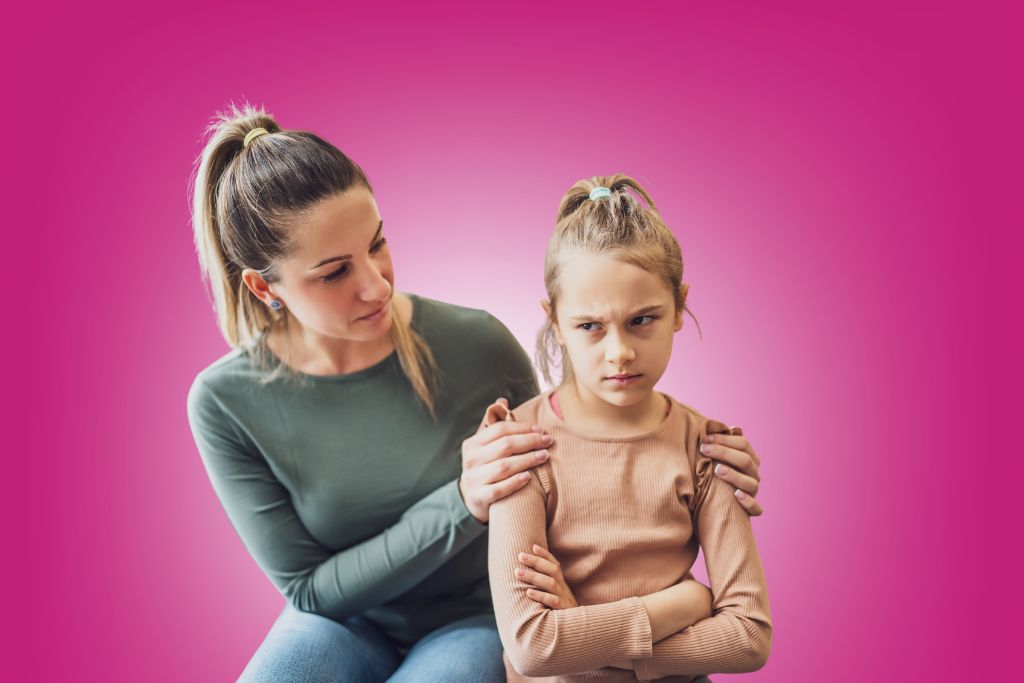
It’s not “they won’t,” it’s “they can’t—right now.” That’s why my work is about helping teach parents to stop personalizing behavior and start responding to the nervous system instead.
Behavior is communication, and a child who ignores you is often overwhelmed or under-stimulated—which is why regulation always comes before cooperation. This is where practical tips rooted in brain science make all the difference.
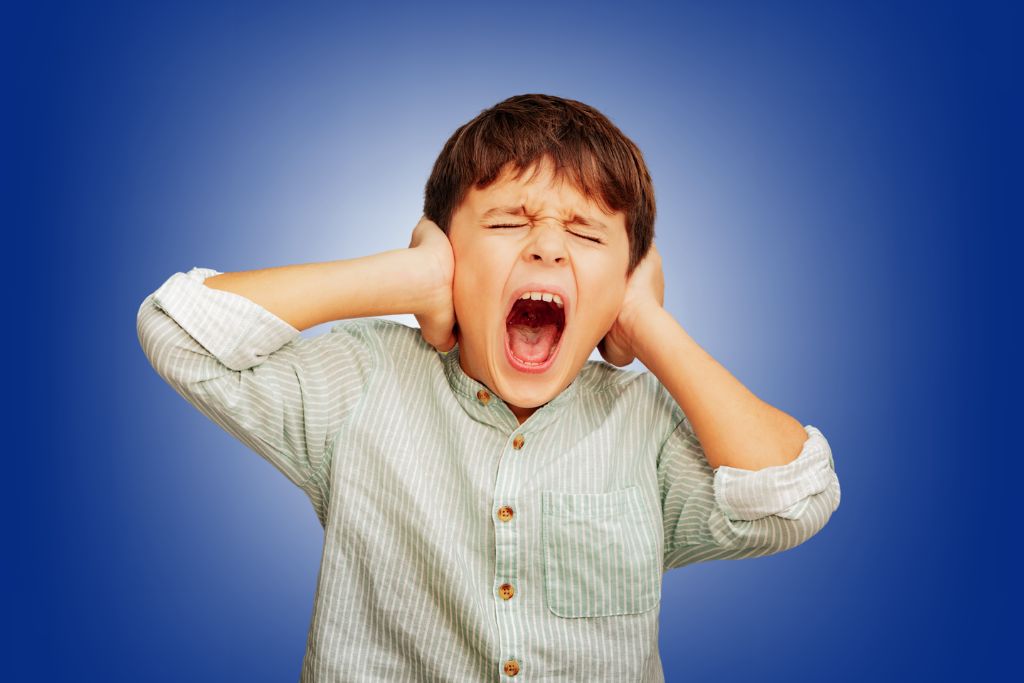
Real life Scenario: A parent asks a child to wear shoes, stop playing, grab their school bag—nothing. The child isn’t defiant. Their nervous system is louder than your voice.
Many parents worry about oppositional defiant disorder or long-term disrespect. But compliance connotes coercion, and real listening comes from connection—not control, especially when we understand how children emotionally experience stress and authority.
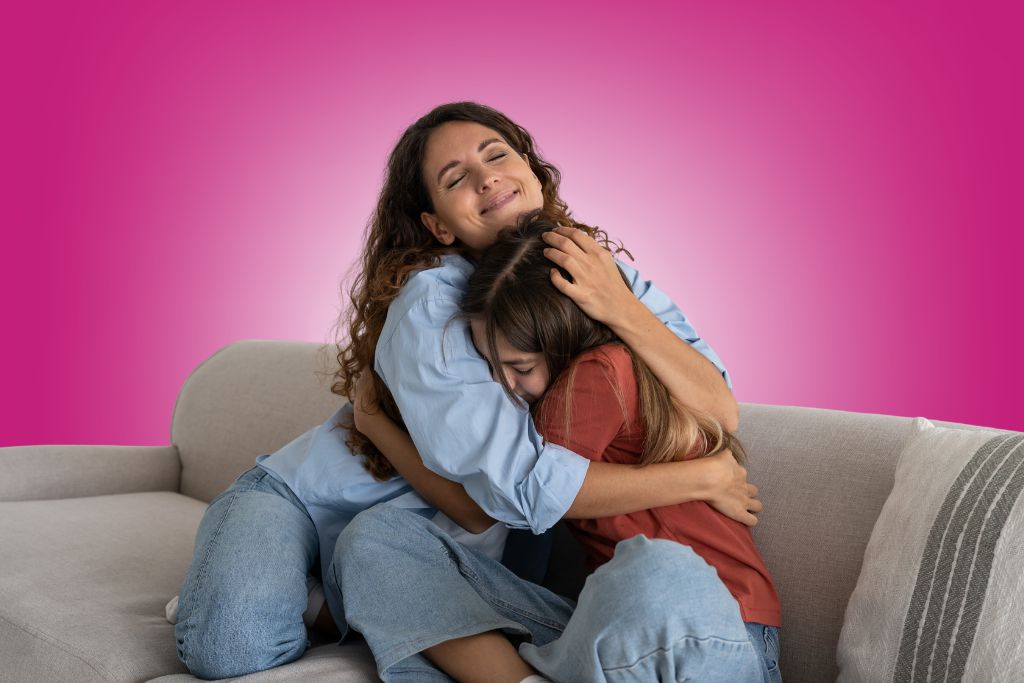
When children feel emotionally safe, their willingness to cooperate rises, and children follow rules more naturally. That’s how civil society operates—through regulation and relationships that children facilitate autonomy, not fear.
What helps:
It’s not bad parenting—it’s a dysregulated brain.
Want to stay calm when your child pushes every button?
Become a Dysregulation Insider VIP and get the FREE Regulation Rescue Kit—your step-by-step guide to stop oppositional behaviors without yelling or giving in.
Go to www.drroseann.com/newsletter and grab your kit today.
Transitions are hard because expecting children to shift instantly ignores their developmental capability. The brain needs time to shift states.
Practical strategies:
Real-Life Example: Instead of yelling to stop throwing knives (or toys), move closer, make eye contact if tolerated, and calmly cue the next step.
Want a quick and easy shot of calm? Try Quick CALM to help regulate your child’s brain before giving directions.
Listening doesn’t always mean eye contact. Don’t force it. Kids pay attention in different ways.
Signs the brain is online:
Children physically show readiness before they follow rules. That’s your cue to speak.
Connection promotes competence. Spend time building relationships and create shared moments outside of conflict. This builds intrinsic motivation and long-term regulation—something many parenting advice books overlook when they focus on compliance over connection.
️ “Your child isn’t trying to make your life harder—their nervous system is just louder than your voice.” — Dr. Roseann
You’re not alone. Your child’s behavior isn’t personal—it’s neurological. When you calm the brain first, listening follows. It’s gonna be OK. You have more power than you think.
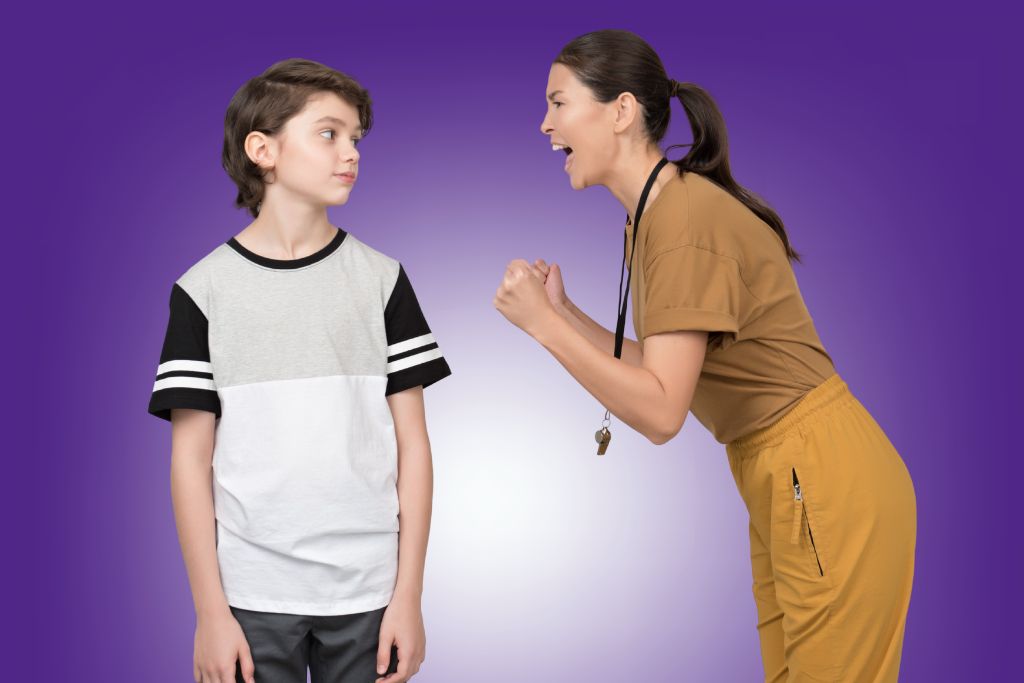
Because yelling spikes alertness. Calm regulation teaches sustainable listening.
If you suspect physiological hearing issues, yes—but most listening problems are neurological, not hearing-related.
No. Many kids listen without direct eye contact.
Yes. Screens involved can overstimulate the nervous system and reduce auditory processing.
Absolutely. With regulation-first strategies, children’s capacity to listen grows.
Tired of not knowing what’s really going on with your child?
The Solution Matcher gives you a personalized recommendation based on your child’s behavior, not just a label.
It’s free, takes just a few minutes, and shows you the best next step.
Go to www.drroseann.com/help
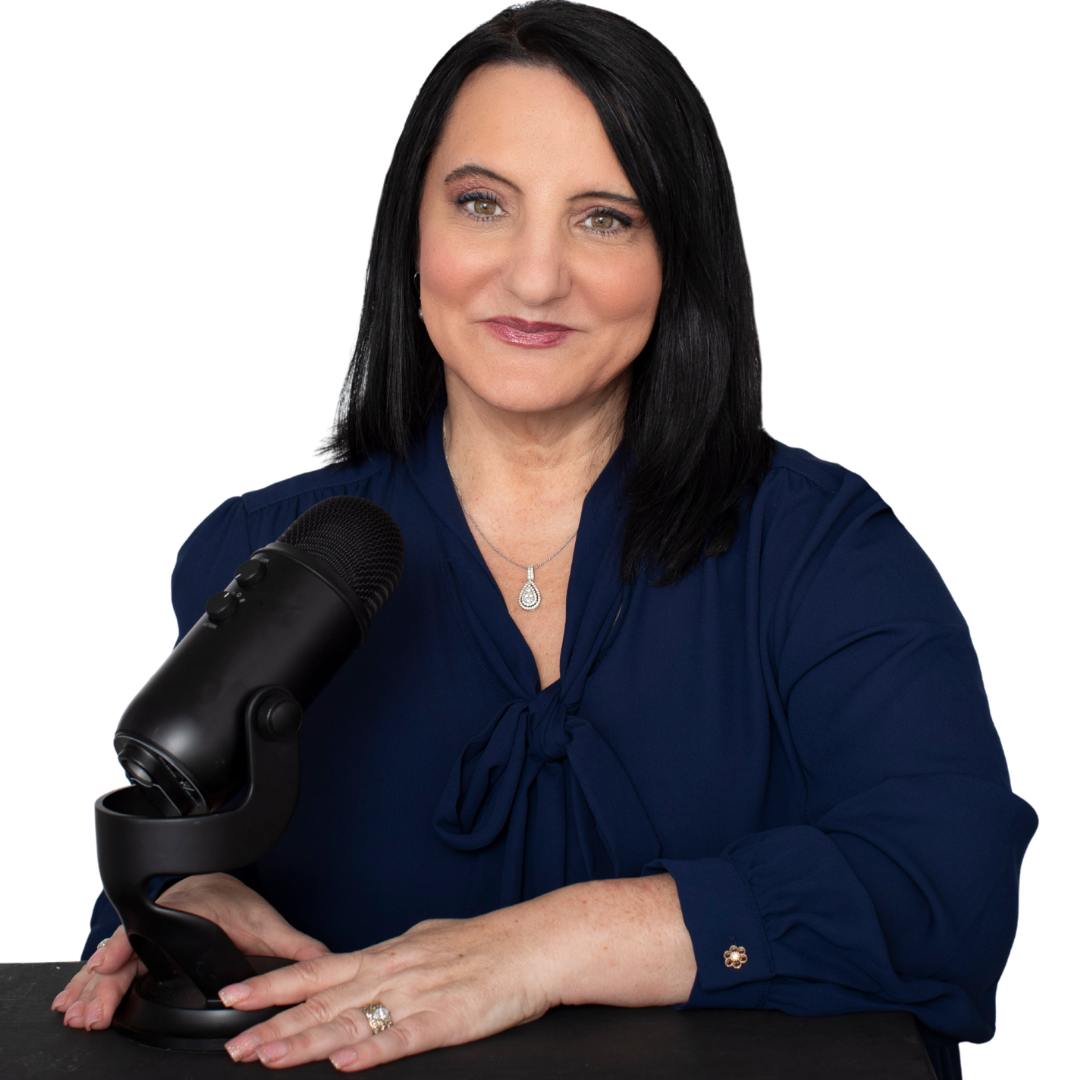
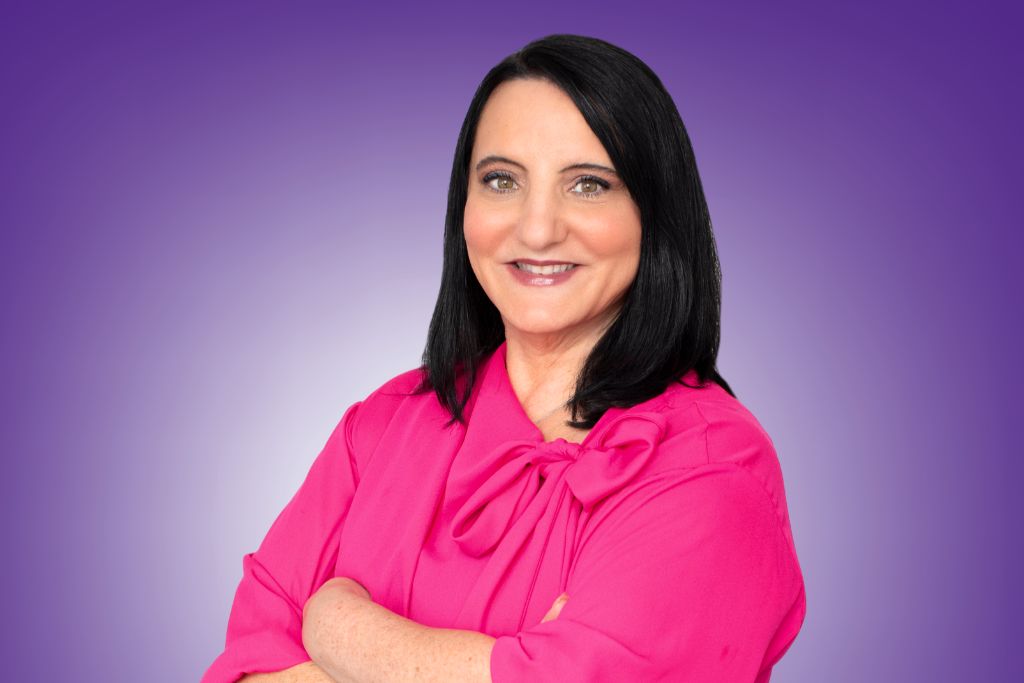
Dr. Roseann Capanna-Hodge is a licensed therapist, certified school psychologist, and leading expert in emotional dysregulation in children. With over 30 years of experience, she helps parents understand the root causes of meltdowns, anxiety, ADHD, and challenging behavior through the lens of nervous system regulation. Dr. Roseann teaches practical, science-backed strategies for co-regulation and how to calm a dysregulated child using her Regulation First Parenting™ approach. She is the host of the Dysregulated Kids Podcast and author of The Dysregulated Kid.
Dr. Roseann Capanna-Hodge
Emotional Dysregulation in Children & Nervous System Expert
Regulation First Parenting™ | CALMS Protocol™
Host of the Dysregulated Kids Podcast (Top 1% Globally)
Author of The Dysregulated Kid