
Join the Dysregulation Insider get free calm parenting tips straight to your inbox!
YES, I'M IN!How to Help Siblings Get Along When One Is Dysregulated | Co-Regulation Parenting | E383





Struggling with constant sibling fights? Learn how to help siblings get along when one is dysregulated as Dr. Roseann Capanna-Hodge, expert in Regulation First Parenting®, shares practical strategies to calm nervous systems, restore connection, and support every child’s emotional growth.
Feeling stuck in constant sibling fights? You’re not alone. When one child is dysregulated, it can feel like refereeing a never-ending WWE match in your own home. But the good news? This isn’t about bad behavior—it’s about nervous system regulation.
In this episode, I break down why sibling conflict happens, how emotional dysregulation impacts neurotypical siblings, and practical strategies for supporting siblings so the whole family can feel safer, calmer, and more connected.
Why does my child fight more with their sibling than others?
Sibling conflict isn’t just about personality clashes—it’s often a nervous system issue. When one child’s brain is dysregulated, impulse control drops and neutral interactions can feel threatening. This stress spreads across the family, impacting other children and family dynamics.
Key takeaways:
- Regulate first: Calm the dysregulated child before problem-solving.
- Name it: Explain, “Your sibling’s brain is having a hard time—it’s not because of you.”
- Protect siblings: Give safe spaces, predictable attention, and permission to step away.
Parent example: One mom noticed her neurotypical child withdrawing during board games while her dysregulated younger child exploded. Simply creating a calm, structured activity time reduced tension and restored connection.
How can I support my child while still giving attention to their sibling?
It’s tempting to split attention equally, but equity doesn’t mean identical. A struggling child may need tailored support, while other kids still need recognition to avoid resentment.
Tips for practice:
- Schedule one-on-one time with each child, even 10–15 minutes daily.
- Use family routines and predictable activities to lower stress for the entire family.
- Normalize dysregulation: “We all have hard moments—brains get overwhelmed.”
️ “Sibling conflict isn’t about fairness. It’s about felt safety. When one child's nervous system is on fire, everyone else really can be struggling too.” — Dr. Roseann
Quick CALM is a powerful tool for families. It helps kids take deep breaths, regulate emotions, and reset their nervous system before tension escalates.
What strategies actually reduce sibling tension in daily life?
Focusing on regulation rather than punishment changes the game. Instead of forcing apologies or correcting behavior in the moment, lead with calm.
Practical strategies:
- Regulate first, teach later: One calm response can shift the whole family’s nervous system.
- Don’t play the judge: Stop refereeing; start co-regulating.
- Name patterns aloud: Help other family members understand triggers and responses.
Real-life scenario: During a PANS episode, explaining, “His brain’s having a hard time” helped a younger neurotypical sibling stay compassionate without absorbing stress.
You don’t have to figure this out alone.
Become a Dysregulation Insider VIP and get your FREE Regulation Rescue Kit:How to Stay Calm When Your Child Pushes Your Buttons and Stop Oppositional Behaviors.
Head to www.drroseann.com/newsletter and start your calm parenting journey today.
When is sibling conflict normal—and when is it a sign of dysregulation?
Normal sibling disagreements happen occasionally, often during transitions or competition for attention. Red flags include:
- Daily escalation
- Slow or incomplete recovery
- Anxiety, anger, or withdrawal in other kids
Research shows that emotional regulation capacity—not manners—is what determines whether conflicts persist. Parents co-dysregulating only reinforces stress.
How do I help my neurotypical child cope with a dysregulated sibling?
- Provide predictable routines and consistent attention.
- Allow safe breaks from chaos; other kids don’t have to tolerate it alone.
- Teach empathy with emotional support: explain the dysregulated child’s behavior without blame.
Bottom line: Supporting one child’s nervous system helps all siblings regulate, improving sibling relationships and family activities.
Takeaway & What’s Next
Sibling conflict isn’t about bad behavior—it’s about nervous system regulation. When one child is dysregulated, the whole family absorbs the stress.
By regulating the most dysregulated child first, protecting other siblings’ emotional safety, and using predictable routines and one-on-one time, parents can reduce tension, restore connection, and help every child thrive.
For more expert strategies and support, check out the Regulated Child Summit, where parents learn practical tools to help dysregulated kids and neurotypical siblings navigate sibling conflict and family life with more calm and connection: https://drroseann.com/regulatedchildsummit/
Sibling conflict gets harder when one or more nervous systems are already overloaded, because small moments can quickly become big battles.
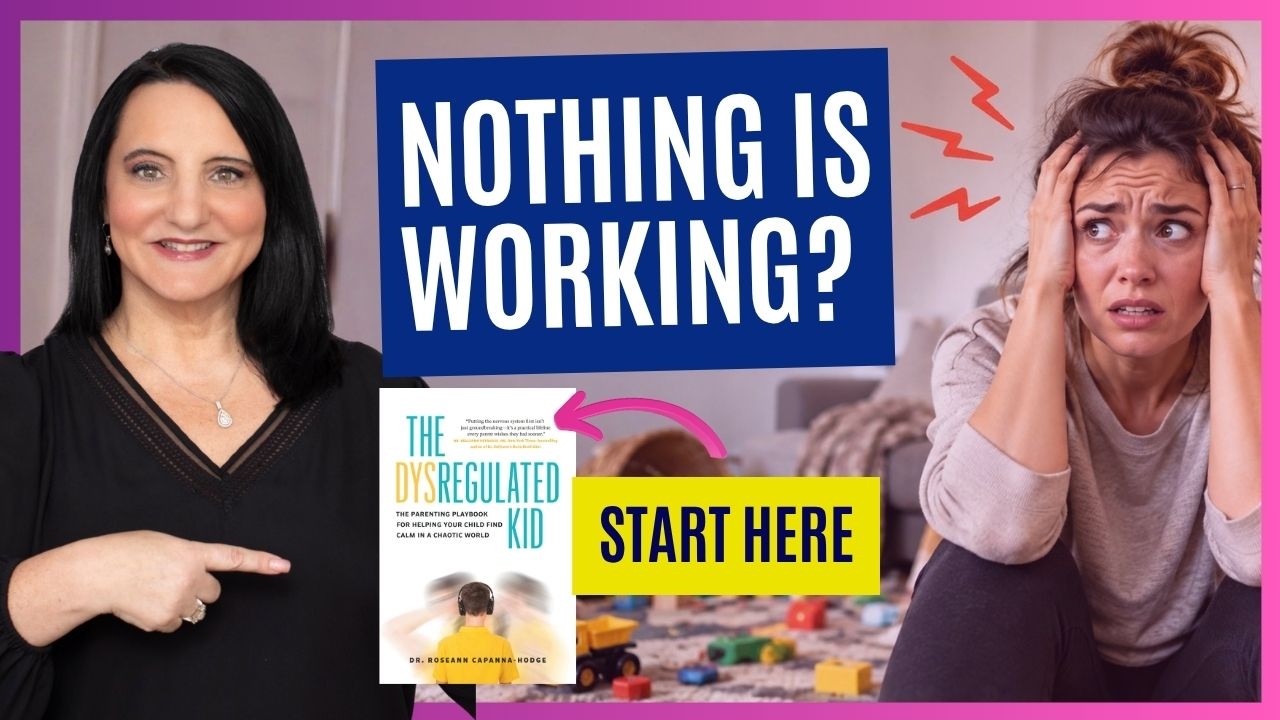
In The Dysregulated Kid®, I help parents look beneath symptoms and behavior to understand what the brain and nervous system are communicating. You’ll learn practical Regulation First Parenting® tools to regulate first, reduce unnecessary escalation, and build the calm, connection, and capacity your child needs for lasting change. Get The Dysregulated Kid® at dysregulatedkid.com.
FAQs
How do I stop sibling fights from taking over the house?
Regulate the dysregulated child first, create predictable routines, and provide safe spaces for other children.
Can one child’s dysregulation affect their sibling’s mental health?
Yes. Without support, neurotypical siblings can feel frustrated, anxious, or withdrawn. Co-regulation and one-on-one time help.
Is punishment effective for sibling conflict?
No. Behavioral issues often stem from emotional dysregulation, not misbehavior. Focus on calming the nervous system.
How can I teach my child empathy without minimizing their feelings?
Explain that everyone has tough moments, name patterns aloud, and reinforce compassion without pressure.
Are occasional fights normal?
Absolutely. Normal sibling conflict includes small arguments and mild jealousy that resolves with support.
Tired of not knowing what’s really going on with your child?
The Solution Matcher gives you a personalized recommendation based on your child’s behavior, not just a label.
It’s free, takes just a few minutes, and shows you the best next step.
Go to www.drroseann.com/help
Dr. Roseann Capanna-Hodge is a licensed therapist, certified school psychologist, and leading expert in emotional dysregulation in children. With over 30 years of experience, she helps parents understand the root causes of meltdowns, anxiety, ADHD, and challenging behavior through the lens of nervous system regulation. Dr. Roseann teaches practical, science-backed strategies for co-regulation and how to calm a dysregulated child using her Regulation First Parenting® approach. She is the host of the Dysregulated Kids Podcast and author of The Dysregulated Kid.
Dr. Roseann Capanna-Hodge
Emotional Dysregulation in Children & Nervous System Expert
Regulation First Parenting® | CALMS Protocol™
Host of the Dysregulated Kids Podcast (Top 1% Globally)
Author of The Dysregulated Kid

Find this helpful? Leave us a review!
Your feedback helps more overwhelmed parents find calm, clarity, and the proven tools that make everyday life easier.
Dr. Roseann Capanna-Hodge: Helping Families of Dysregulated Kids Thrive Through Regulation First Parenting®
As the creator of Regulation First Parenting®, she’s helping families of dysregulated kids discover a compassionate, brain-based path forward. Through The Dysregulated Kids™ Podcast (top 2% globally), she offers practical strategies that help parents understand their child’s brain and support lasting change.
Through The Global Institute of Children’s Mental Health and Dr. Roseann, LLC, she’s created resources like the Neurotastic® Brain Formulas and the Regulation First Parenting® framework—meeting families where they are and supporting them through challenges like ADHD, anxiety, OCD, PANS/PANDAS, and behavioral struggles.
Recognized by Forbes as “a thought leader in children’s mental health,” Dr. Roseann is changing how we understand emotional dysregulation in children—one family at a time.