Find Your Solution
In 3 minutes, you’ll know where to start ➤
%20.png)





Estimated Reading Time: 6 minutes
If every little thing seems to set your child off, from brushing their teeth to hearing “no,” and is over-reactive, understanding emotional dysregulation in children can completely change how you respond. Many parents feel like they’re walking on eggshells around their child’s big emotions, but what looks like overreacting is often a nervous system stuck in survival mode. In this episode, I explain why kids become emotionally reactive, how anxiety and sensory overwhelm fuel meltdowns, and what parents can do to calm the brain first.
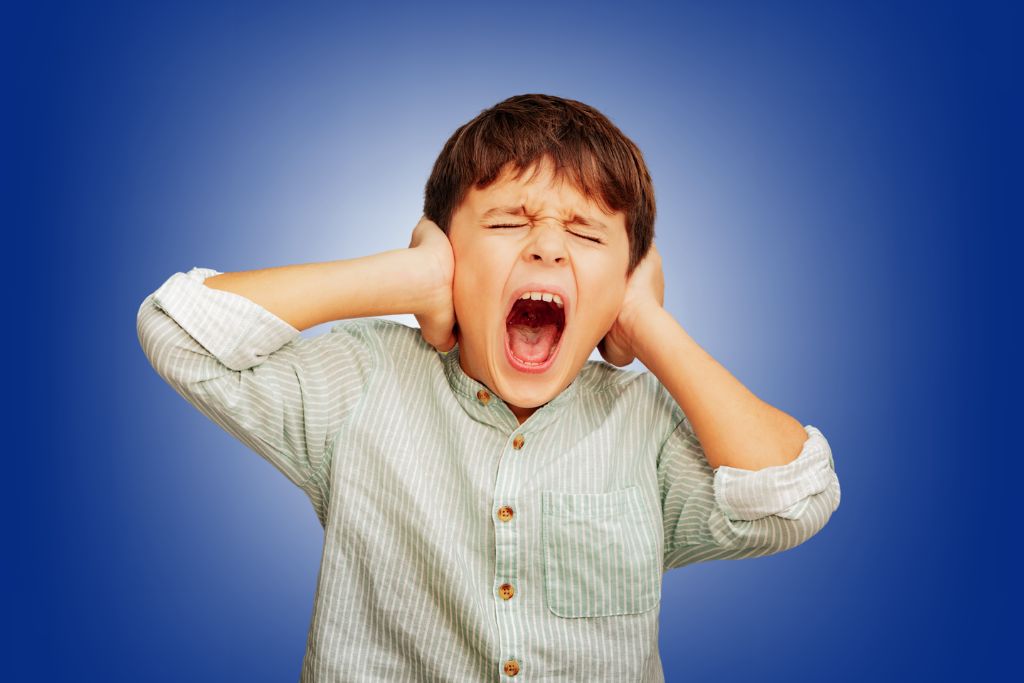
When your child explodes over small frustrations, melts down unexpectedly, or reacts intensely to everyday situations, it’s easy to assume they’re being dramatic, manipulative, or oppositional.
But here’s the truth: behavior is communication.
And when a child’s nervous system becomes dysregulated, even ordinary stressors can feel overwhelming and unsafe.
This is why I always say: “Let’s calm the brain first.”
Because when the nervous system feels safe, emotional regulation becomes possible.
An over-reactive child often lives in a constant state of fight, flight, or freeze.
That means their brain is scanning for danger even when no real threat exists. Everyday situations like transitions, homework, sensory input, or hearing “no” can trigger an outsized emotional response because the nervous system feels overloaded.
My QEEG brain maps consistently show that over-reactive kids often have excessive communication between emotional centers in the brain. Their nervous system struggles to filter information calmly.
Their brain is essentially saying:
“I’m not safe.”
Even when they actually are.
One parent shared that her child screamed every morning over getting dressed. Once she understood that her child’s nervous system was overwhelmed before the day even started, she shifted from correcting behavior to supporting regulation.
That small mindset shift changed everything.
Emotional dysregulation in children does not always look the same. Some kids explode outwardly. Others internalize stress through anxiety, shutdowns, perfectionism, or physical symptoms.
These are not signs of weak parenting or “bad behavior.”
They are signs of a stress-activated nervous system.
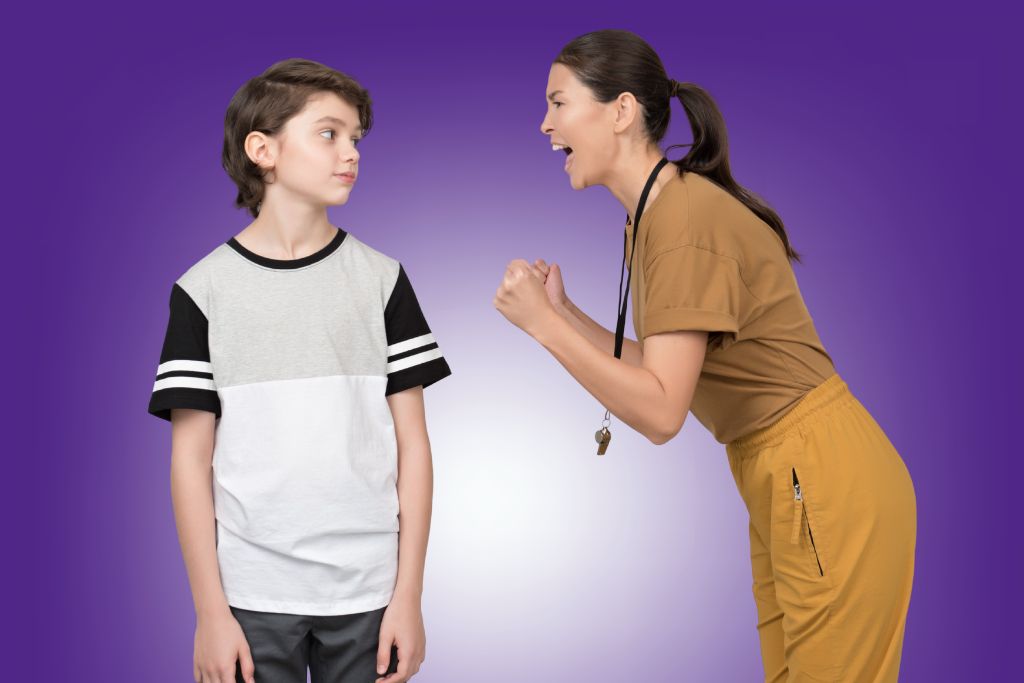
A dysregulated child often looks oppositional because their brain cannot tolerate additional stress or demands in that moment.
And once you understand behavior through a nervous system lens, your parenting changes too.
The first step is regulating yourself.
You cannot co-regulate from chaos.
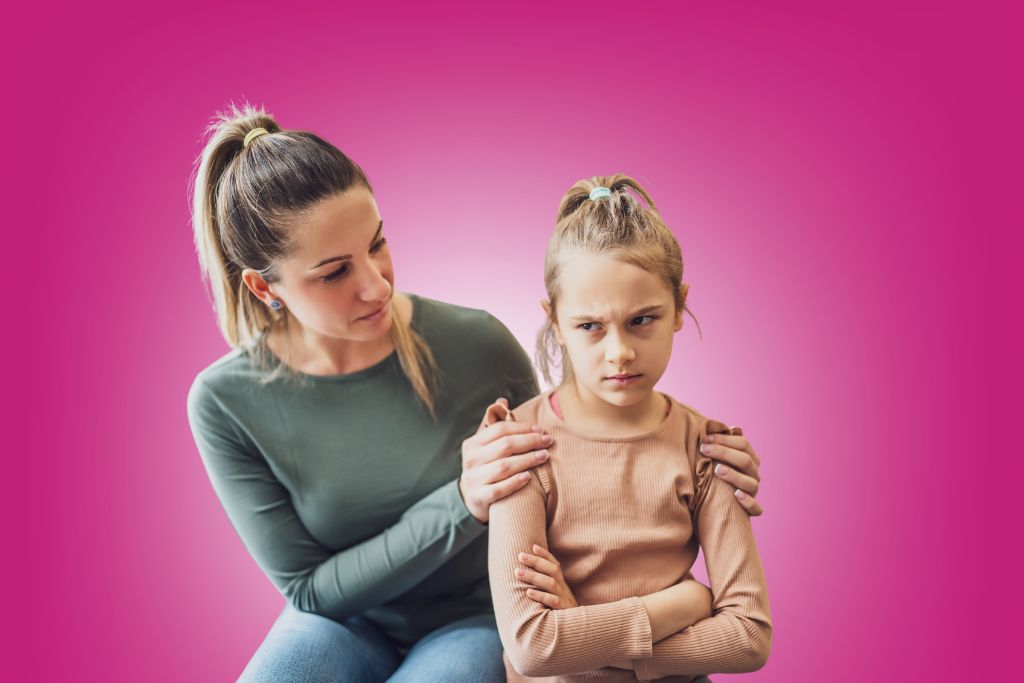
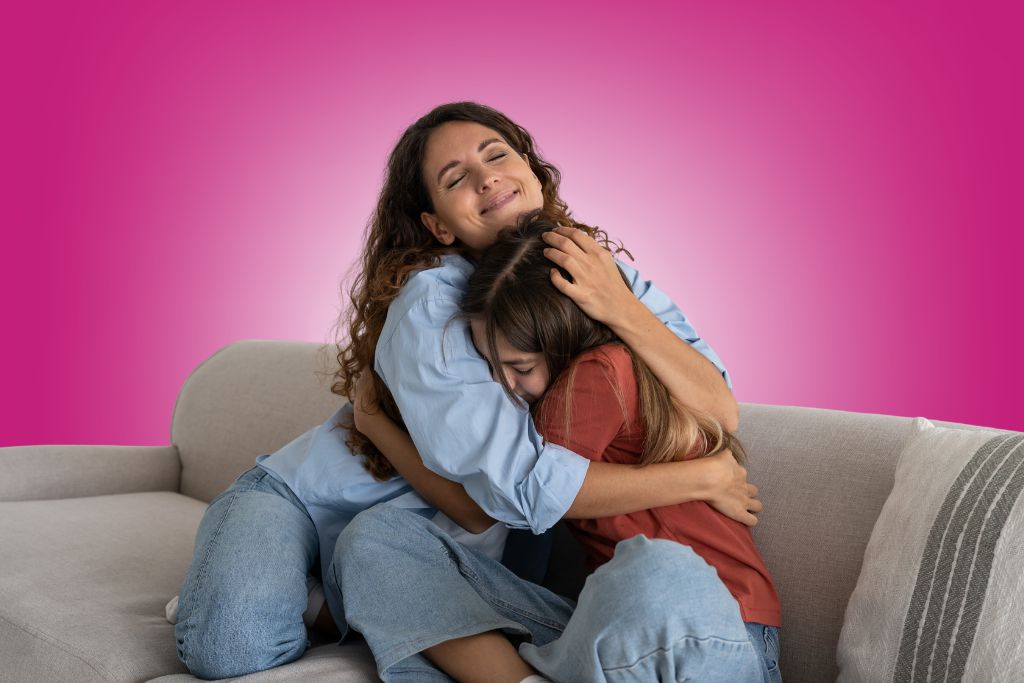
Kids borrow calm from the nervous systems around them, which means your tone, pace, and body language matter more than the exact words you say.
Instead of saying:
“You need to calm down.”
Try:
“I can see this feels really big right now. Let’s breathe together.”
That subtle shift helps the brain feel safe instead of threatened.
A parent noticed her highly sensitive child melted down every day immediately after school. Once they added a quiet sensory reset before homework, including music, snacks, and dim lighting, the after-school explosions decreased dramatically.
This is what nervous system regulation looks like in real life.
You don’t have to figure this out alone. Become a Dysregulation Insider VIP and get your FREE Regulation Rescue Kit: How to Stay Calm When Your Child Pushes Your Buttons and Stop Oppositional Behaviors. Head to www.drroseann.com/newsletter and start your calm parenting journey today.
An anxious child often appears defiant because stress shuts down the thinking brain.
When kids become overwhelmed, their nervous system shifts into survival mode:
That means even simple requests can feel threatening.
This is why so many anxious kids are mislabeled as oppositional.
But the real issue is nervous system overload.
You ask your child to start homework, and they explode instantly.
That reaction is not about homework.
It’s about a brain that already feels overloaded and unsafe.
When we calm the nervous system first, kids can access thinking, flexibility, and coping skills again.
Highly sensitive kids often experience the world more intensely than others.
They notice more.
Feel more.
Process more.
And without support, that sensitivity can become emotional overwhelm.
One of the most powerful tools is helping your child identify what their body is feeling.
Instead of:
“You’re overreacting.”
Try:
“What is your body telling you right now?”
That question builds emotional awareness and nervous system insight.
“When we calm the brain first, everything else follows: connection, learning, and behavior.” — Dr. Roseann
Parenting an over-reactive child can feel exhausting and isolating. But your child is not broken, manipulative, or intentionally difficult.
Their nervous system is overwhelmed.
When you understand that behavior is communication and begin supporting regulation before correction, everything starts to shift.
That’s the foundation of Regulation First Parenting™.
One calm moment at a time.
And remember: it’s gonna be OK.
Emotional dysregulation often comes from chronic stress, anxiety, ADHD, sensory overload, trauma, learning struggles, or nervous system activation.
If your child becomes explosive under stress but feels remorseful afterward, anxiety and nervous system dysregulation are often driving the behavior.
Yes. Loud sounds, textures, bright lights, crowds, or overstimulation can overwhelm the nervous system and trigger emotional meltdowns.
Not always. Many children improve significantly with nervous system regulation tools, co-regulation, sleep support, sensory strategies, and parent education.
Lowering stimulation, slowing your voice, using rhythmic movement, validating emotions, and helping the nervous system feel safe can reduce escalation quickly.
Not sure where to start?
Take the guesswork out of helping your child. Use our free Solution Matcher to get a personalized plan for your child’s unique needs — whether it’s ADHD, anxiety, or emotional dysregulation. In just a few minutes, you’ll know exactly what support is right for your family.
Dr. Roseann Capanna-Hodge is a licensed therapist, certified school psychologist, and leading expert in emotional dysregulation in children. With over 30 years of experience, she helps parents understand the root causes of meltdowns, anxiety, ADHD, and challenging behavior through the lens of nervous system regulation. Dr. Roseann teaches practical, science-backed strategies for co-regulation and how to calm a dysregulated child using her Regulation First Parenting™ approach. She is the host of the Dysregulated Kids Podcast and author of The Dysregulated Kid.
Dr. Roseann Capanna-Hodge
Emotional Dysregulation in Children & Nervous System Expert
Regulation First Parenting™ | CALMS Protocol™
Host of the Dysregulated Kids Podcast (Top 1% Globally)
Author of The Dysregulated Kid