Find Your Solution
In 3 minutes, you’ll know where to start ➤
%20.png)





Estimated Reading Time: 5 minutes
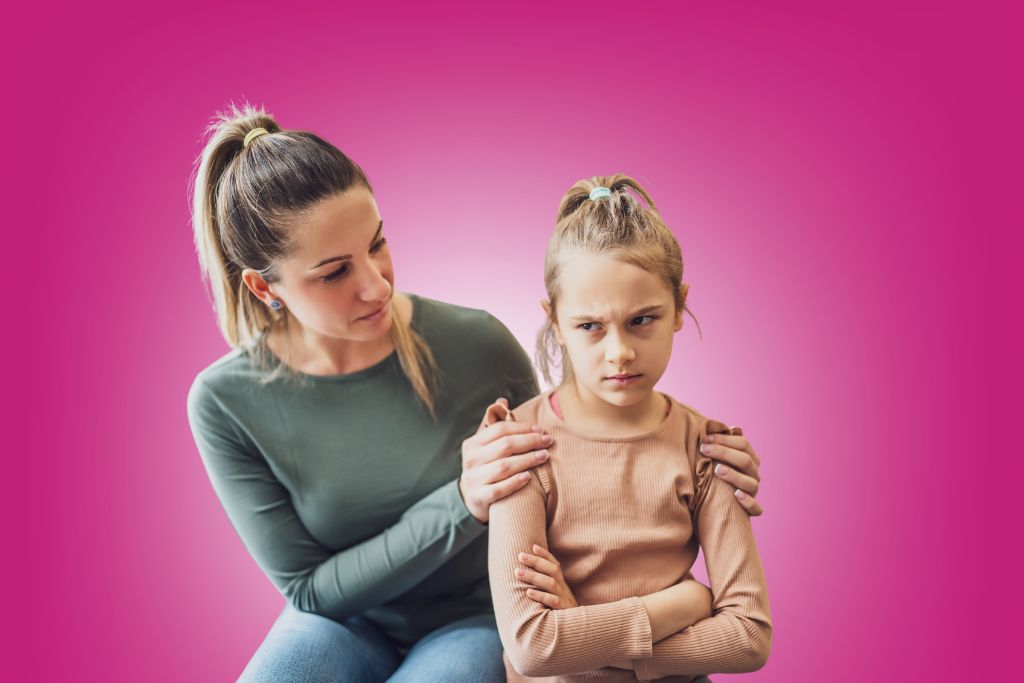
Parenting a child who won't even try can break your heart. You ask, remind, encourage, and offer rewards, yet they resist, avoid, or melt down before they even begin. If you're raising one of many seemingly unmotivated kids, I want you to know something important:
It isn't bad parenting.
And it usually isn't laziness.
Many children who appear unmotivated are actually struggling with nervous system dysregulation. When the brain is overwhelmed, even simple tasks can feel impossible. In this episode, we'll explore why motivation problems often start in the nervous system, not in attitude, and what parents can do to help.
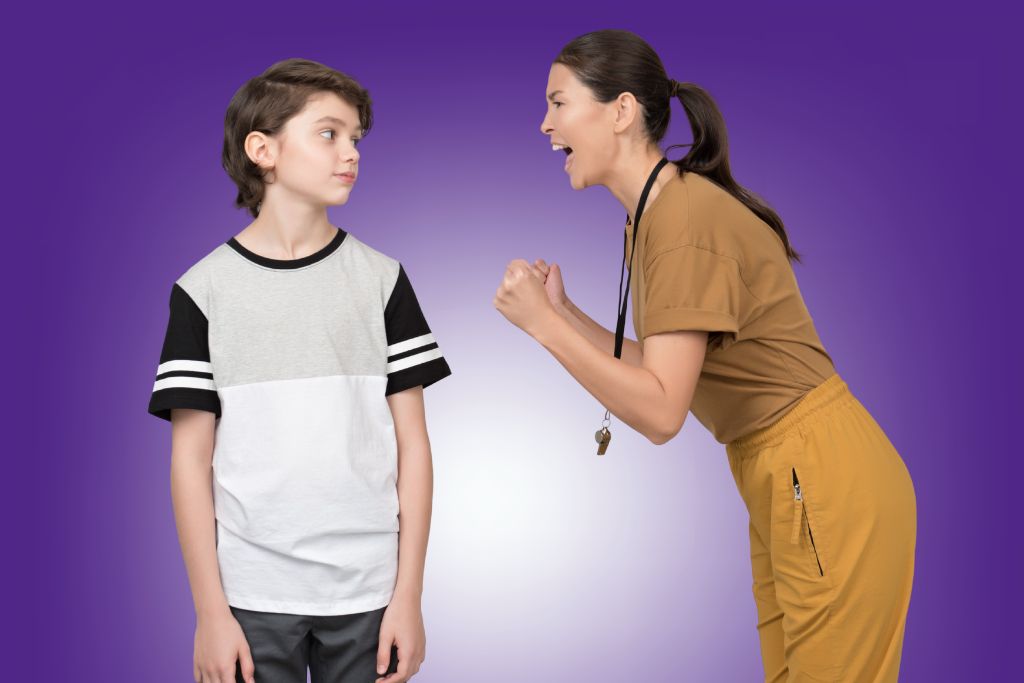
When children push back against homework, chores, or daily responsibilities, parents often assume it's a lack of effort.
What I see most often is stress overload.
When the brain perceives a task as overwhelming, the frontal lobe becomes less accessible.
That means children struggle with:
You may notice:
A dysregulated brain often says:
"I can't."
Even when it looks like:
"I won't."
This is one of the most common causes of child behavior problems that are mistaken for laziness.
Instead of asking:
"Why won't they try?"
Ask:
"Is their brain calm enough to start?"
Often, yes.
Many unmotivated kids are actually experiencing emotional dysregulation in children, which makes everyday demands feel much harder.
Children may:
Labels like:
Create shame.
And shame blocks learning.
Children who repeatedly feel unsuccessful often develop a fear of trying because failure feels too painful.
A child who spends hours on video games but refuses homework is not necessarily choosing fun over success.
They're often avoiding discomfort.
The nervous system chooses what feels safe.
When homework feels threatening, avoidance becomes the coping strategy.
The answer is simple but powerful:
Regulation first.
Always.
A regulated child can think, learn, and solve problems.
A dysregulated child cannot.
Break overwhelming tasks into tiny, manageable steps.
Examples:
Small wins build confidence.
One of the most effective strategies for parenting a dysregulated child is helping them get started.
Try:
Then gradually reduce support.
For additional support, listen to: Co-Regulating
https://drroseann.com/podcast/co-regulating-roseann-capanna-hodge/
You can also explore: Co-Regulation and Parenting: Sharing Your Calm
https://drroseann.com/co-regulation-and-parenting-sharing-your-calm/
Notice micro-wins:
Success builds motivation.
Not the other way around.
One of the biggest misconceptions about unmotivated kids is that they lack motivation entirely.
Most children are highly motivated when the activity feels rewarding or manageable.
Video games provide:
Homework often provides:
This isn't manipulation.
It's regulation. They need to manage screen time.
Motivation can drop dramatically when children are:
This is why routines matter.
Motivation is strongly influenced by nervous system state.
Helpful supports include:
Children thrive when they know what to expect.
Create consistency around:
Before difficult tasks:
These small actions help reset the nervous system.
Provide enough support to help your child succeed without doing the work for them.
Think:
Not rescuing.
Your nervous system matters.
Parent calm is contagious.
When children feel safe, they are more willing to re-engage.
🗣️ “Success doesn’t come from pushing harder, it comes from calming the brain first.” — Dr. Roseann
Start by changing the question.
Instead of asking:
"Why won't my child try?"
Ask:
"Is my child's brain calm enough to begin?"
This is how motivation grows.
Not through pressure.
Not through punishment.
Through safety, success, and connection.
Ready to help your child find calm and motivation?
Try my Quick CALM™ program, a science-backed reset that gives you the tools to calm your child's brain and restore peace at home.
https://drroseann.com/quickcalm/
Many unmotivated kids are not lazy.
They're overwhelmed.
When we stop viewing behavior as defiance and start understanding it as communication, everything changes.
By supporting emotional dysregulation in children, building confidence through small wins, and focusing on nervous system regulation, we help children rediscover what success feels like.
And that's where real motivation begins.
Want to stay calm when your child pushes every button?
Become a Dysregulation Insider VIP and get the FREE Regulation Rescue Kit.
Go to www.drroseann.com/newsletter and grab your kit today.
Activities like video games provide immediate rewards and clear success experiences. Schoolwork often feels uncertain, overwhelming, or emotionally risky to a dysregulated brain.
Often, yes. Many motivation challenges are rooted in emotional dysregulation in children, stress overload, and nervous system activation rather than laziness.
Break tasks into small steps, co-regulate during the start-up phase, and celebrate effort rather than waiting for completion.
Co-regulation helps children feel safe enough to engage. A calm, supportive adult can help a child move through overwhelm and build confidence.
Absolutely. When parents focus on regulation first, provide structure, and support gradual skill-building, motivation and cooperation often improve significantly.
Every child’s journey is different. That’s why cookie-cutter solutions don’t work.Take the free Solution Matcher Quiz and get a customized path to support your child’s emotional and behavioral needs—no guessing, no fluff.
Start today at www.drroseann.com/help
Dr. Roseann Capanna-Hodge is a licensed therapist, certified school psychologist, and leading expert in emotional dysregulation in children. With over 30 years of experience, she helps parents understand the root causes of meltdowns, anxiety, ADHD, and challenging behavior through the lens of nervous system regulation. Dr. Roseann teaches practical, science-backed strategies for co-regulation and how to calm a dysregulated child using her Regulation First Parenting™ approach. She is the host of the Dysregulated Kids Podcast and author of The Dysregulated Kid.
Dr. Roseann Capanna-Hodge
Emotional Dysregulation in Children & Nervous System Expert
Regulation First Parenting™ | CALMS Protocol™
Host of the Dysregulated Kids Podcast (Top 1% Globally)
Author of The Dysregulated Kid