Find Your Solution
In 3 minutes, you’ll know where to start ➤
%20.png)





Why can smart kids explain everything yet can’t get started? The Executive Function Trap reveals how dysregulated brains block task initiation. Dr. Roseann Capanna-Hodge, creator of Regulation First Parenting™, helps parents calm the brain and restore executive skills.
Ever watched your smart child know everything about black holes—but freeze at putting on their shoes or starting homework? It’s frustrating, confusing, and can feel impossible to fix. You’re not imagining it—and it’s not laziness. There’s a real reason bright kids struggle with starting and finishing tasks: executive function challenges.
In this episode, we unpack why executive function deficits often masquerade as disobedience, defiance, or lack of motivation. You’ll learn what these core executive function skills are, why task initiation often fails in dysregulated brains, and practical, science-backed strategies to support your child’s success in school and everyday life.
Smart kids often know the content—they just can’t see the path from start to finish. Their prefrontal cortex struggles with task initiation and planning ahead, creating what I call the executive function trap.
Milo could explain black holes in depth but couldn’t start homework. Once we taught him to see the finished project and work backward, he could initiate tasks without panic.
Executive function isn’t fixed—these key skills can be developed over time with consistent practice. Think of it like learning to cook a new recipe: you visualize the final dish, then reverse engineer the steps.
Parent Tip: Cue the nervous system to regulate first—if your child is dysregulated, no executive function strategy will stick.
Try Quick CALM for a quick regulation reset before tackling tasks.
The single most impactful skill is task initiation. Without the ability to start, even the most intelligent child can feel paralyzed. By teaching children to:
…you create a roadmap that reduces overwhelm and builds confidence.
JC, a teen struggling with homework, finally completed his study session when we added gestures, acronyms, and movement—amplifying learning and reinforcing daily life executive skills.
️ “It’s not bad parenting—it’s a dysregulated brain. When we start with the end in mind and teach step-by-step, kids can actually start, stay on task, and finish.”— Dr. Roseann
You don’t have to figure this out alone.
Become a Dysregulation Insider VIP and get your FREE Regulation Rescue Kit: How to Stay Calm When Your Child Pushes Your Buttons and Stop Oppositional Behaviors.
Head to www.drroseann.com/newsletter and start your calm parenting journey today.
Yes! By teaching children core skills like working memory, flexible thinking, problem solving, and inhibition control, we can support life skills, task completion, and self-advocacy.
Consistency, scaffolding, and visual aids make it stick.
The executive function trap isn’t about laziness or defiance—it’s about skills the brain hasn’t yet developed. By starting with the end in mind, breaking down tasks, and scaffolding appropriately, parents can teach specific strategies that make planning, task initiation, and completion achievable.
It’s gonna be OK—your child can learn to manage emotions, finish tasks, and thrive.
FAQs
It’s when a child knows the content but can’t start, plan, or finish tasks due to executive function deficits.
Use visual schedules, micro-steps, and scaffolding while regulating their nervous system first.
Yes, executive function skills can be taught with practice, consistency, and guided support.
Task initiation, working memory, impulse control, flexible thinking, and time management are frequent struggles.
Freeze often signals executive dysfunction—they need help planning, sequencing steps, and regulating emotions.
Feel like you’ve tried everything and still don’t have answers?
The Solution Matcher helps you find the best starting point based on your child’s symptoms, behaviors, and history.
It’s fast, free, and based on decades of clinical expertise.
Get your personalized plan now at www.drroseann.com/help
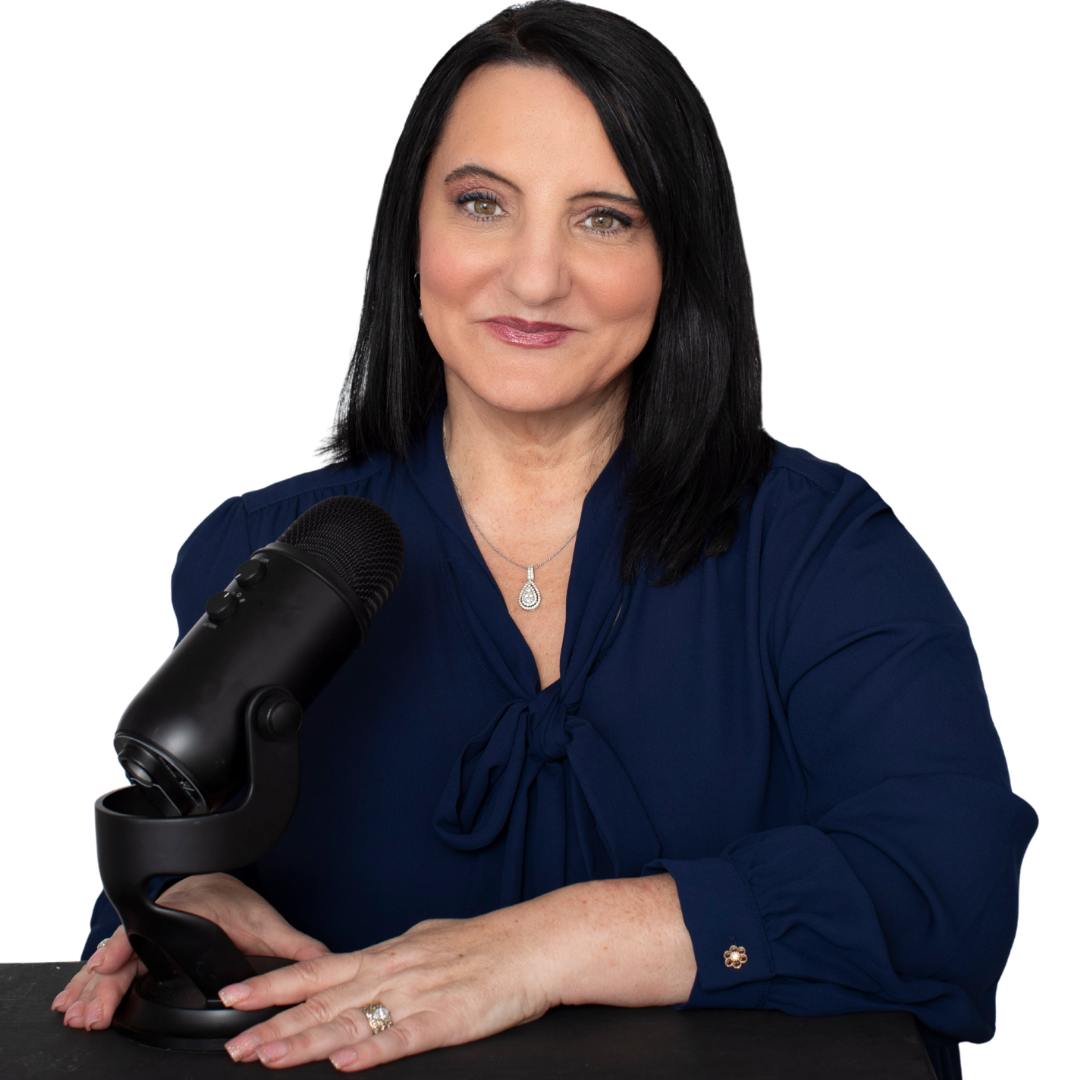
Dr. Roseann Capanna-Hodge is a licensed therapist, certified school psychologist, and leading expert in emotional dysregulation in children. With over 30 years of experience, she helps parents understand the root causes of meltdowns, anxiety, ADHD, and challenging behavior through the lens of nervous system regulation. Dr. Roseann teaches practical, science-backed strategies for co-regulation and how to calm a dysregulated child using her Regulation First Parenting™ approach. She is the host of the Dysregulated Kids Podcast and author of The Dysregulated Kid.
Dr. Roseann Capanna-Hodge
Emotional Dysregulation in Children & Nervous System Expert
Regulation First Parenting™ | CALMS Protocol™
Host of the Dysregulated Kids Podcast (Top 1% Globally)
Author of The Dysregulated Kid