Find Your Solution
In 3 minutes, you’ll know where to start ➤
%20.png)





Estimated Reading Time: 6 minutes
If your child’s emotions feel explosive, unpredictable, or overwhelming, understanding co-regulation in parenting can completely shift how you respond. When kids are dysregulated, they borrow calm from the adults around them. In this episode of Dysregulated Kids Podcast, I explain how your nervous system directly impacts your child’s behavior, emotional development, and stress response and why calming yourself first is one of the most powerful parenting tools you have.
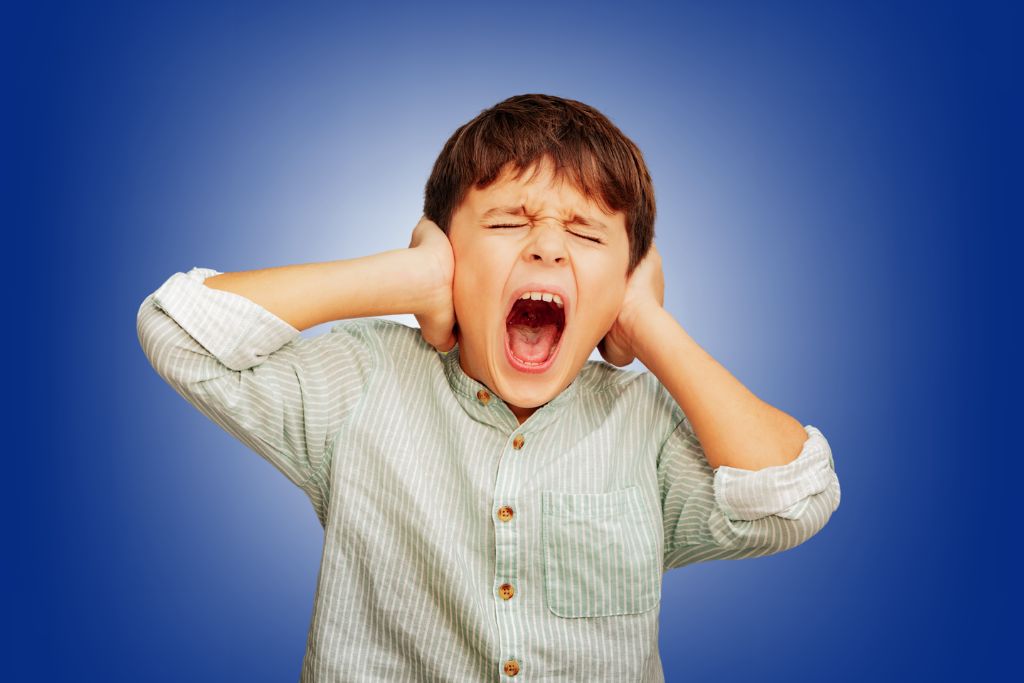
When your child melts down, shuts down, or spirals emotionally, it’s easy to feel helpless. Many parents think they need the “perfect consequence” or the “right words” to stop the behavior.
But here’s what I want you to remember: behavior is communication.
And when your child’s nervous system feels unsafe, overwhelmed, or overstimulated, they cannot access logic, self-control, or emotional regulation.
This is where Regulation First Parenting™ changes everything. Instead of reacting to behavior first, we calm the brain first.
Because connection before correction always works better.
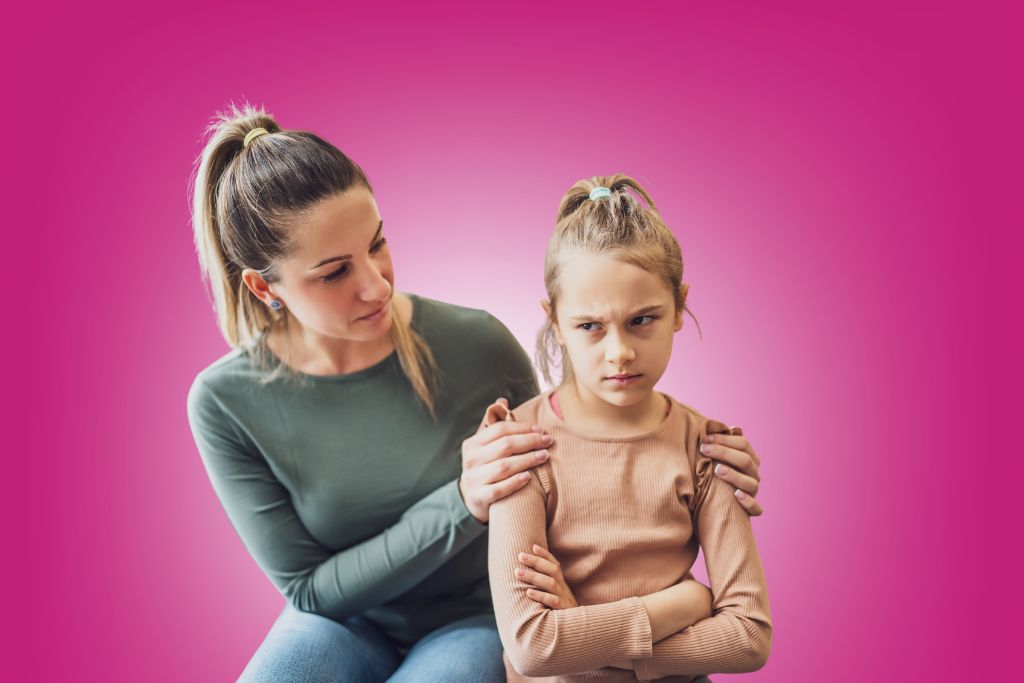
Children co-regulate through your nervous system. Your tone, facial expressions, body language, and energy all send cues of safety or danger to your child’s brain.
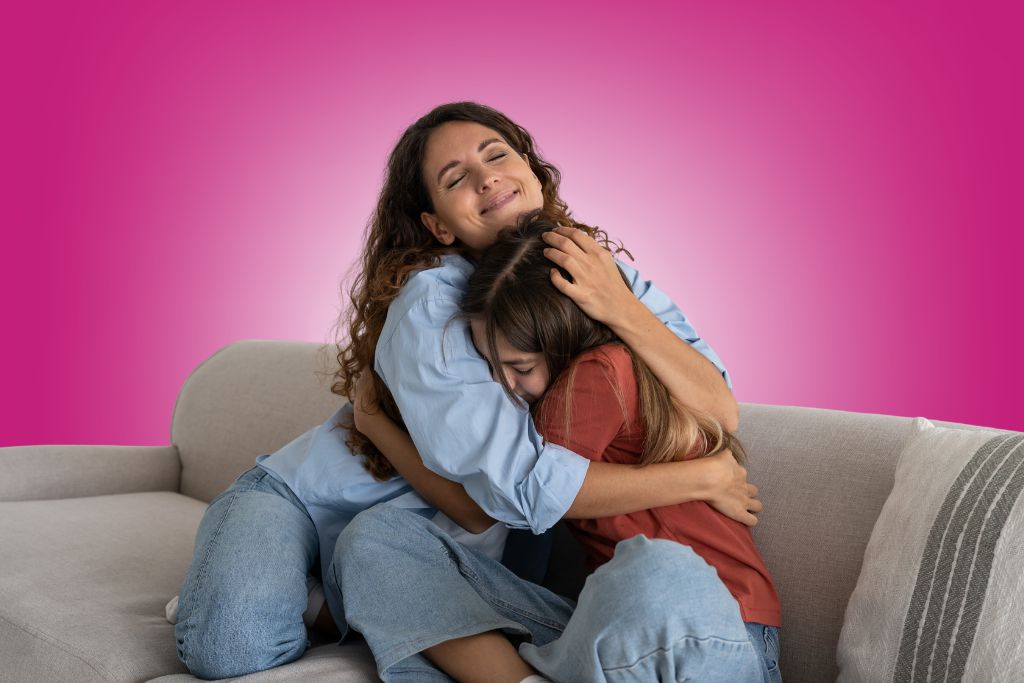
When you stay calm during stress, your child’s nervous system begins to settle too.
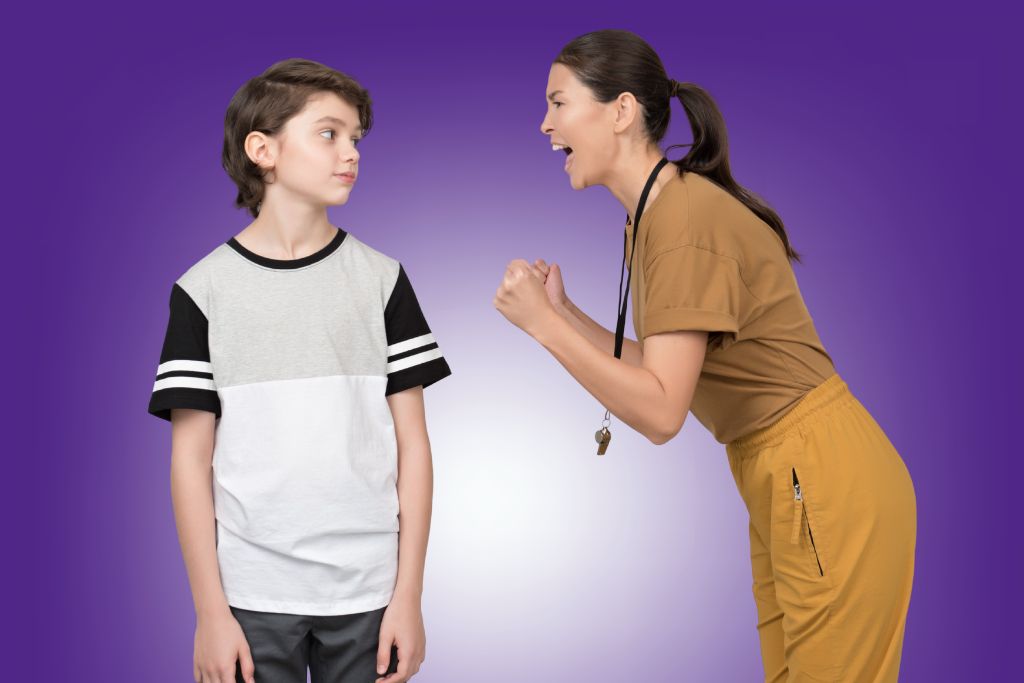
When you become overwhelmed, reactive, or emotionally flooded, their brain mirrors that chaos.
This is not because you’re doing something wrong. It’s because kids are biologically wired to sync with the emotional state of their caregivers.
A parent once told me, “The second I panic, my child completely loses it.” That’s co-regulation in action.
And the good news is: calm works the same way.
Your child isn’t giving you a hard time. They’re having a hard time.
Co-regulation literally shapes brain development.
When children repeatedly experience calm, connected interactions, the brain strengthens pathways responsible for:
This is especially important for kids with big emotions, ADHD, anxiety, autism, OCD, or emotional dysregulation.
A dysregulated child cannot learn self-regulation alone. They first learn regulation through you.
This is why I always say: “Let’s calm the brain first.”
When the nervous system feels safe, the thinking brain comes back online.
Over time, those repeated experiences build emotional resilience.
That’s how healing happens.
Let me say this clearly: every parent gets dysregulated sometimes.
You are human.
Stress, trauma, exhaustion, sensory overload, and daily parenting pressures can activate your nervous system too. The goal is not perfection. The goal is awareness and repair.
Your calm is the catalyst for your child’s calm.
A parent once shared that she started stepping into the hallway for 30 seconds before responding during meltdowns. That tiny pause changed the entire emotional tone of her home.
Small nervous system resets matter.
Want to stay calm when your child pushes every button? Become a Dysregulation Insider VIP and get the FREE Regulation Rescue Kit. It’s your step-by-step guide to stop oppositional behaviors without yelling or giving in.
Go to www.drroseann.com/newsletter and grab your kit today.
Co-regulation is often sensory, rhythmic, and connection-based. It doesn’t require long conversations or perfect parenting.
It requires presence.
These activities help calm the nervous system because they reduce stress activation and increase feelings of safety.
Real-life example: One parent noticed her child always calmed faster during evening walks than during “talking about feelings.” Why? Movement regulated the nervous system first.
Regulation before conversation.
Always.
Generational patterns can change.
When you model calm communication, emotional repair, and nervous system regulation, your child learns those patterns too.
That’s the heart of co-regulation in parenting.
Remember:
“You are your child’s best teacher, but only when you’re calm enough to connect.” — Dr. Roseann
Co-regulation is not a parenting trend. It’s how children learn emotional safety, stress tolerance, and resilience.
When you calm your nervous system first, your child’s brain begins to follow.
That’s how change happens.
One calm breath. One repaired moment. One connected interaction at a time.
And even if today felt messy, tomorrow is another opportunity to regulate first.
It’s gonna be OK.
If you want more support for raising a dysregulated child, check out related episodes on emotional dysregulation in children and calming the nervous system naturally.
Co-regulation happens when children use a calm adult’s nervous system to help regulate their own emotions, stress response, and behavior.
Yes. Co-regulation lowers nervous system activation, helping kids feel safer, calmer, and more emotionally regulated.
Repair matters more than perfection. Pause, reconnect, and model that everyone can recover after difficult moments.
Many parents notice small shifts within weeks when they consistently focus on calming the nervous system before correcting behavior.
Children mirror the nervous systems around them. When adults become dysregulated, children often absorb and reflect that emotional intensity.
Not sure where to start?
Take the guesswork out of helping your child. Use our free Solution Matcher to get a personalized plan based on your child’s unique needs—whether it’s ADHD, anxiety, or emotional dysregulation.
Start here: www.drroseann.com/help
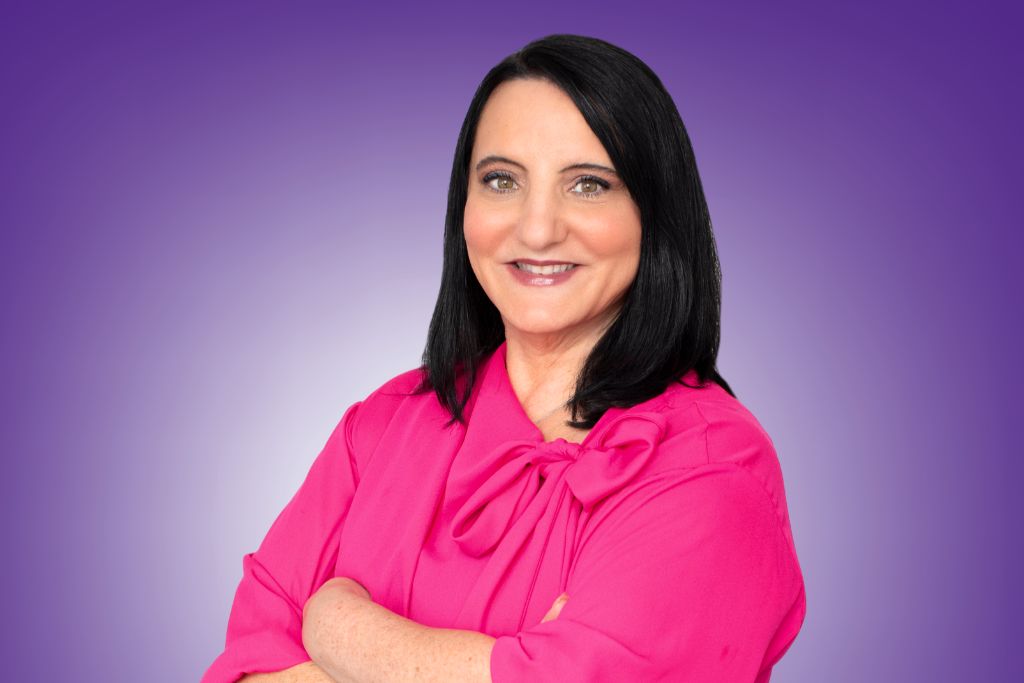
Dr. Roseann Capanna-Hodge is a licensed therapist, certified school psychologist, and leading expert in emotional dysregulation in children. With over 30 years of experience, she helps parents understand the root causes of meltdowns, anxiety, ADHD, and challenging behavior through the lens of nervous system regulation. Dr. Roseann teaches practical, science-backed strategies for co-regulation and how to calm a dysregulated child using her Regulation First Parenting™ approach. She is the host of the Dysregulated Kids Podcast and author of The Dysregulated Kid.
Dr. Roseann Capanna-Hodge
Emotional Dysregulation in Children & Nervous System Expert
Regulation First Parenting™ | CALMS Protocol™
Host of the Dysregulated Kids Podcast (Top 1% Globally)
Author of The Dysregulated Kid